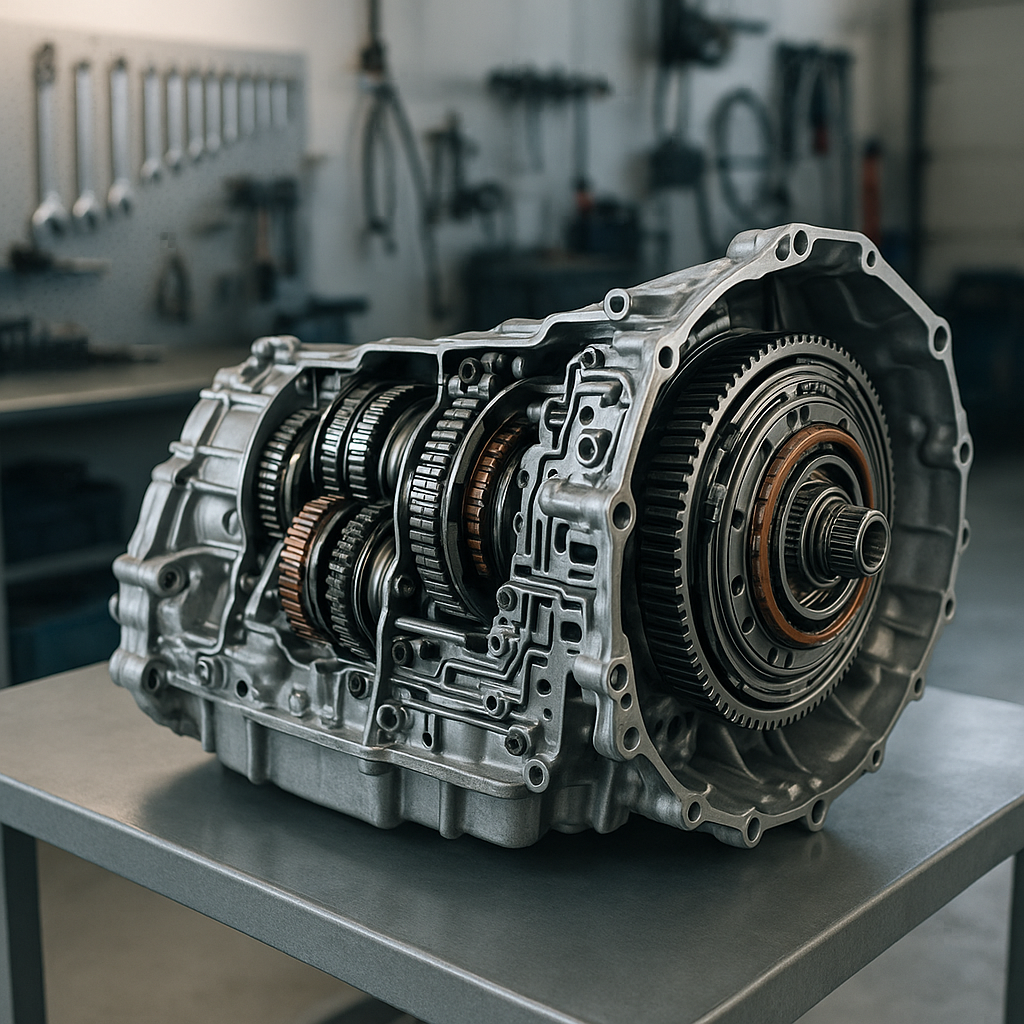
How To Reduce Wear On Your Automatic Transmission
Your automatic transmission is a complex system that plays a vital role in your vehicle's performance. It allows for seamless gear changes without the need for driver intervention. However, like any mechanical component, it is subject to wear and tear, which can lead to costly repairs if not managed properly.
In the UK, regular maintenance of your vehicle is crucial, especially with the annual MOT test that checks for roadworthiness. A well-maintained transmission not only enhances driving comfort but also ensures that you pass your MOT without issues. Understanding how to care for your transmission can significantly impact your ownership costs and prolong its lifespan.
Regular Checks and Maintenance
One of the best ways to reduce wear on your automatic transmission is through regular checks and maintenance. Here are some practical steps you can take:
- Check Transmission Fluid Levels: Low fluid levels can lead to overheating and damage. Check your owner's handbook for the recommended fluid level and type.
- Inspect for Leaks: Look for any signs of fluid leaks under your vehicle. Transmission fluid is typically red or brown and has a distinct smell.
- Monitor Fluid Condition: The fluid should be a clear red colour. If it appears dark or has a burnt smell, it’s time for a change.
- Keep an Eye on Temperature: Excessive heat can damage your transmission. If your dashboard warning light activates or you notice unusual smells, check the transmission temperature.
Driving Habits that Minimise Wear
Your driving habits can significantly affect the wear on your automatic transmission. Consider the following tips to improve your driving style:
- Avoid Aggressive Driving: Rapid acceleration and hard braking can put unnecessary strain on your transmission. Aim for smooth starts and stops.
- Don’t Overload Your Vehicle: Excess weight can cause your transmission to work harder. Be mindful of your vehicle’s load capacity.
- Use the Right Gear: If your vehicle has a manual mode, use it appropriately in hilly terrains to avoid excessive strain.
- Maintain a Steady Speed: Use cruise control on motorways to maintain a constant speed, reducing the need for frequent gear changes.
Seasonal Considerations
In the UK, seasonal changes can also impact your automatic transmission. For instance, winter conditions can lead to increased wear if you frequently drive on icy or snowy roads. Here are some seasonal tips:
- Winter Preparation: Ensure your transmission fluid is suitable for colder temperatures. Some fluids perform better in extreme conditions.
- Summer Heat: High temperatures can cause your transmission fluid to break down. Regular checks during hot months are essential.
When to Book a Mechanic
Knowing when to seek professional help is crucial for maintaining your automatic transmission. Here are some symptoms that indicate it’s time to book a mechanic:
- Slipping Gears: If your vehicle unexpectedly changes gears or struggles to stay in gear, this could indicate a serious issue.
- Unusual Noises: Grinding or clunking noises when shifting gears can signal a problem.
- Warning Lights: If your dashboard transmission warning light illuminates, it’s essential to get it checked immediately.
- Fluid Leaks: If you notice a puddle of red or brown fluid under your vehicle, don’t ignore it.
Booking a mechanic can vary in cost depending on the issue. For a simple fluid change, you might expect to pay around £100 to £150, while more complex repairs can range from £300 to £1,000 or more, depending on the specific problem and vehicle model.
Conclusion
Reducing wear on your automatic transmission is achievable through regular maintenance, mindful driving habits, and timely professional checks. By following these practical tips, you can help ensure a longer lifespan for your transmission, ultimately saving you money on repairs and enhancing your driving experience. Always refer to your owner’s handbook for specific maintenance schedules and fluid types, and don’t hesitate to consult with a professional mechanic when in doubt.
UK ownership context
Use your owner's handbook and service schedule as the starting point, then adapt the timing to UK stop-start traffic, colder months and the mileage your car actually covers.
For many drivers, the most useful benchmark is not a generic internet interval but the manufacturer schedule, recent MOT advisories and the pattern of local driving the vehicle sees each week.
Useful next steps with Motoryst
Use the tools below to turn this advice into a practical next step.
- Store and organise your service history
- Run a vehicle history check before buying
- Compare warranty cover options
- Estimate current vehicle value
Useful UK references
- DVSA and GOV.UK guidance on MOT preparation
- Check previous MOT advisories and failures
- Use the vehicle owner's handbook and manufacturer service schedule for model-specific intervals, fluids and warning-light guidance.