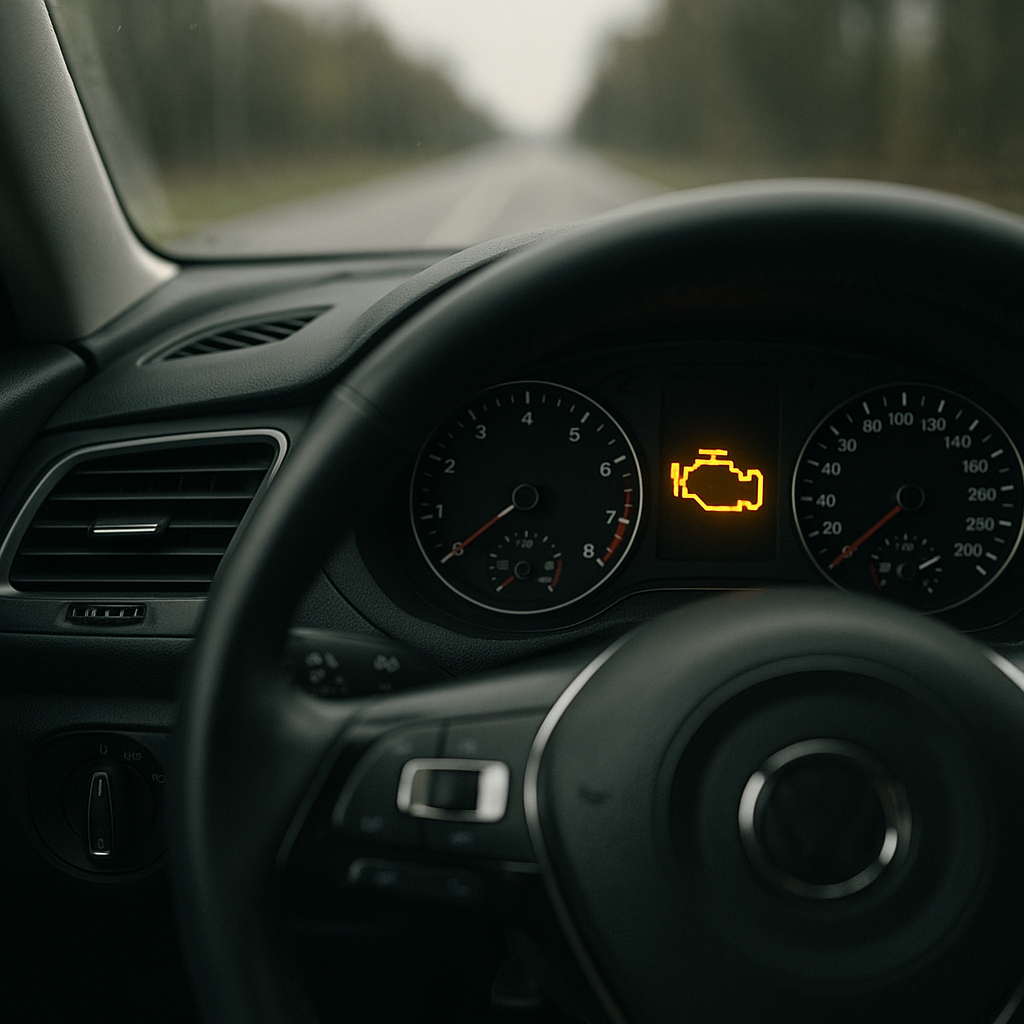
What To Do When Your Check Engine Light Comes On
The check engine light (CEL) is a crucial indicator of your vehicle's health. It can signify anything from a minor issue to a serious malfunction. In the UK, this light is part of the On-Board Diagnostics (OBD) system, which monitors various components of your car to ensure everything is functioning correctly.
Given the seasonal changes in the UK, such as colder temperatures affecting battery performance or moisture impacting electrical systems, understanding what to do when this light illuminates is essential for maintaining your vehicle's roadworthiness.
Immediate Steps to Take
When your check engine light comes on, it's important to remain calm and take the following steps:
- Check for Obvious Issues: Inspect your vehicle for any visible problems. Look for leaks under the car, unusual smells, or smoke coming from the engine.
- Ensure the Gas Cap is Tight: A loose or damaged gas cap can trigger the CEL. Make sure it’s securely fastened.
- Monitor Performance: Pay attention to how your car is running. Are there any unusual sounds, loss of power, or changes in fuel efficiency?
Common Causes of the Check Engine Light
Understanding what might trigger the CEL can help you assess the urgency of the situation. Here are some common causes:
- Oxygen Sensor Failure: This sensor monitors the level of oxygen in the exhaust and is vital for fuel efficiency. Replacement costs can vary, generally ranging from £100 to £200.
- Catalytic Converter Issues: A malfunctioning catalytic converter can affect emissions and engine performance, often costing £500 or more to replace.
- Mass Airflow Sensor Problems: This sensor measures the amount of air entering the engine for proper fuel management, with replacement costs typically between £150 and £300.
- Spark Plug or Ignition Coil Failure: Faulty spark plugs or coils can lead to misfires, affecting performance and fuel efficiency. Replacing these can cost around £100 to £200.
Diagnostic Tools and Techniques
If the CEL remains illuminated after checking for simple issues, using a diagnostic tool can help identify the problem. Many local garages offer OBD-II scanning services, which can range from £30 to £100, depending on the facility.
Alternatively, you can purchase a basic OBD-II scanner for personal use, which typically costs between £20 and £100. This device will provide you with diagnostic trouble codes (DTCs) that you can reference in your owner's handbook or online to understand the issue better.
Seasonal Considerations
In the UK, seasonal weather can impact your vehicle’s performance. For example, winter can cause battery issues, while summer can lead to overheating problems. Regular maintenance checks, especially before the winter months, are essential to ensure your vehicle remains roadworthy and compliant with MOT standards.
During your regular service intervals, which are typically every 10,000 to 12,000 miles or annually, ensure that all components linked to the CEL are checked. This includes:
- Fluid levels (engine oil, coolant, transmission fluid)
- Battery condition
- Belts and hoses for wear and tear
When to Book a Mechanic
Not all check engine light incidents require immediate professional attention. However, you should consider booking a mechanic if:
- The light is flashing, indicating a severe issue that could cause damage.
- You're experiencing significant performance issues, such as stalling or a lack of power.
- You’ve checked for loose gas caps and obvious issues but the light remains on.
- Diagnostic codes indicate a serious problem, such as a failing catalytic converter or transmission issues.
Cost Context for Repairs
Repair costs can vary significantly based on the issue identified. Minor repairs, such as replacing a gas cap or spark plugs, may cost under £100, while more serious problems like catalytic converter replacement can exceed £500. It’s important to consult your owner's handbook for specific guidance on your vehicle model and refer to DVSA standards for roadworthiness.
Always seek quotes from multiple garages and ensure they are reputable, ideally checked against reviews or recommendations. Transparency in pricing and clear communication about what repairs are necessary can help you make informed decisions.
Conclusion
While the check engine light can be an alarming indicator, staying calm and following these steps can help you manage the situation effectively. Regular maintenance, understanding your vehicle's needs, and knowing when to consult a professional will keep your car running smoothly and safely on UK roads.
UK ownership context
Use your owner's handbook and service schedule as the starting point, then adapt the timing to UK stop-start traffic, colder months and the mileage your car actually covers.
For many drivers, the most useful benchmark is not a generic internet interval but the manufacturer schedule, recent MOT advisories and the pattern of local driving the vehicle sees each week.
Useful next steps with Motoryst
Use the tools below to turn this advice into a practical next step.
- Store and organise your service history
- Run a vehicle history check before buying
- Compare warranty cover options
- Estimate current vehicle value
Useful UK references
- DVSA and GOV.UK guidance on MOT preparation
- Check previous MOT advisories and failures
- Use the vehicle owner's handbook and manufacturer service schedule for model-specific intervals, fluids and warning-light guidance.