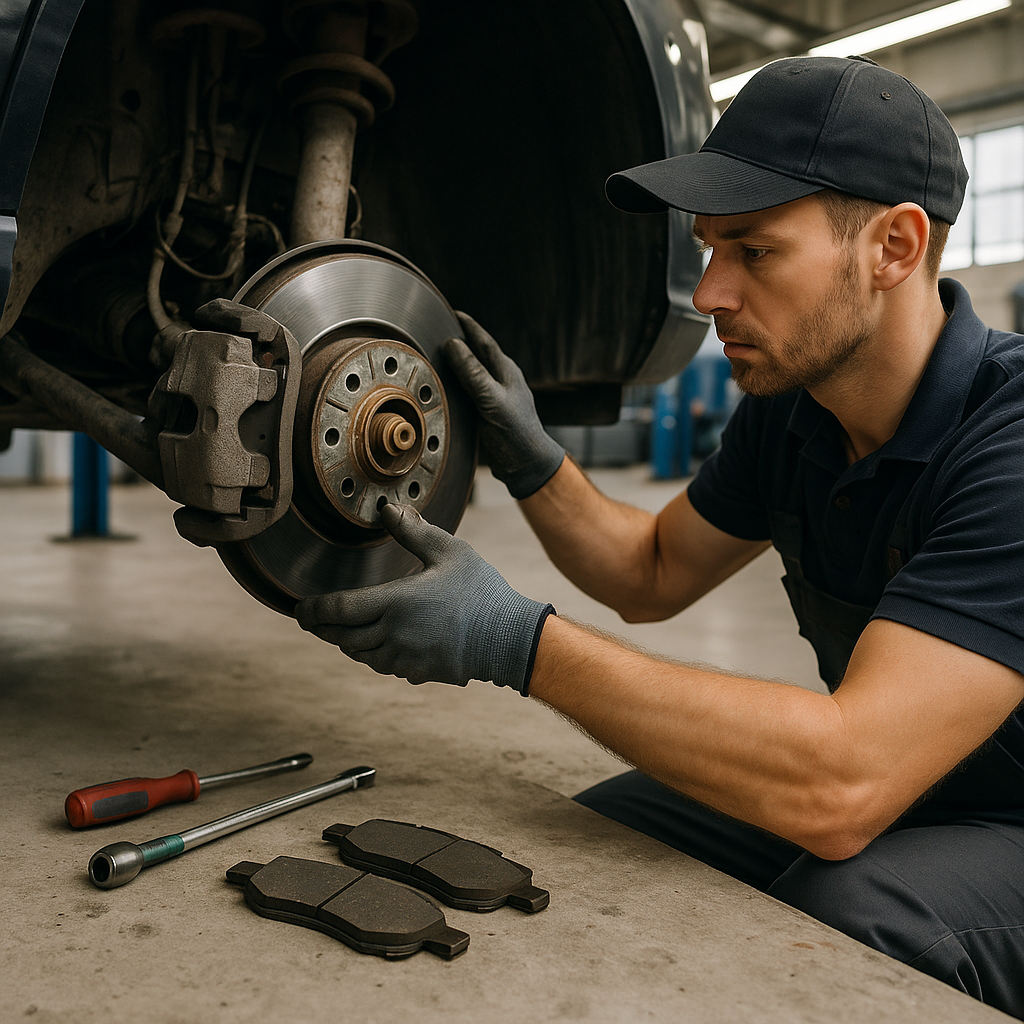
The Importance of Brake Maintenance
Brakes are one of the most critical components of your vehicle, directly affecting safety and performance. In the UK, regular maintenance is not just prudent; it's essential for ensuring your vehicle passes its MOT and remains roadworthy. Brake wear can lead to more severe issues and costly repairs if not addressed promptly.
Understanding how to spot early signs of brake wear can save you money in the long run and keep your vehicle safe. This guide will help you identify symptoms of brake wear and provide practical checks you can undertake yourself.
Common Symptoms of Brake Wear
There are several indicators that your brakes may be wearing out. Recognising these early can prevent more extensive damage and ensure your safety on the road:
- Squeaking or Squealing Sounds: High-pitched noises when applying brakes often indicate that the brake pads are worn down.
- Grinding Noises: If you hear a grinding sound, it’s a sign that the pads are worn through and the metal backing is making contact with the rotor.
- Vibrating Brake Pedal: A pulsating sensation when you press the brake pedal can indicate warped rotors.
- Longer Stopping Distances: If you notice that it takes longer to stop than usual, your brakes may not be functioning effectively.
- Brake Warning Light: If the dashboard warning light illuminates, it’s time to investigate further.
Practical Checks You Can Perform
Regular checks can help you catch brake wear early. Here’s a simple guide to what you can do this week:
- Visual Inspection: Check the brake pads through the wheel spokes. If they appear thin (less than 3mm), consider replacing them.
- Listen for Sounds: Pay attention to any unusual noises when braking, particularly when coming to a stop.
- Feel the Pedal: Test the brake pedal. It should feel firm and responsive. If it feels spongy or goes to the floor, there may be an issue.
- Check Fluid Levels: Regularly inspect your brake fluid reservoir. Low fluid can indicate a leak or worn components.
- Brake Rotor Inspection: If you have access to tools, check the rotors for grooves or scoring, which can indicate wear.
Seasonal Considerations
In the UK, weather can significantly affect braking performance. During winter, roads may be wet or icy, increasing the demand on your brakes. Ensure your brakes are in optimal condition before the colder months. Conversely, summer heat can lead to brake fade, particularly on long journeys. Regular checks during these seasonal transitions can help mitigate risks.
Understanding the Costs
Brake repairs can vary significantly in cost depending on the issue's severity and the vehicle's make and model. Here’s a rough breakdown of what you might expect:
- Brake Pads Replacement: Typically ranges from £80 to £150 per axle, depending on the brand and whether you opt for standard or premium pads.
- Brake Discs Replacement: Can cost between £100 and £300 per axle, influenced by the quality of the discs and the labour involved.
- Brake Fluid Change: Usually costs around £50 to £100, depending on the garage.
Refer to your vehicle’s owner's handbook for specific recommendations on service intervals and brake checks. The DVSA provides guidelines on what to inspect during an MOT, which includes brake performance and condition.
When to Book a Mechanic
If you notice any of the symptoms listed above or if your checks reveal wear beyond what you feel comfortable addressing, it’s time to book a mechanic. Additionally, if your brake warning light remains illuminated after checking fluid levels, or if you experience any unusual braking behaviour, seek professional help immediately.
It’s advisable to get your brakes checked at least once a year, or more frequently if you drive in heavy traffic or hilly areas. Regular servicing can help catch issues before they escalate into costly repairs.
Conclusion
Being proactive about brake maintenance can save you money and ensure your safety. By understanding the signs of brake wear and performing simple checks, you can keep your vehicle in good condition and avoid expensive repairs in the future. Remember, when in doubt, consult a professional mechanic to keep your brakes functioning optimally.
UK ownership context
If this issue affects visibility, braking, tyres, emissions or warning lights, treat it as a roadworthiness item and sort it before an MOT or any longer journey.
For many drivers, the most useful benchmark is not a generic internet interval but the manufacturer schedule, recent MOT advisories and the pattern of local driving the vehicle sees each week.
Useful next steps with Motoryst
Use the tools below to turn this advice into a practical next step.
- Check compliance and road-use related details
- Store and organise your service history
- Run a vehicle history check before buying
- Compare warranty cover options
Useful UK references
- DVSA and GOV.UK guidance on MOT preparation
- Check previous MOT advisories and failures
- Use the vehicle owner's handbook and manufacturer service schedule for model-specific intervals, fluids and warning-light guidance.