Understanding Dashboard Warning Lights And What To Do Next
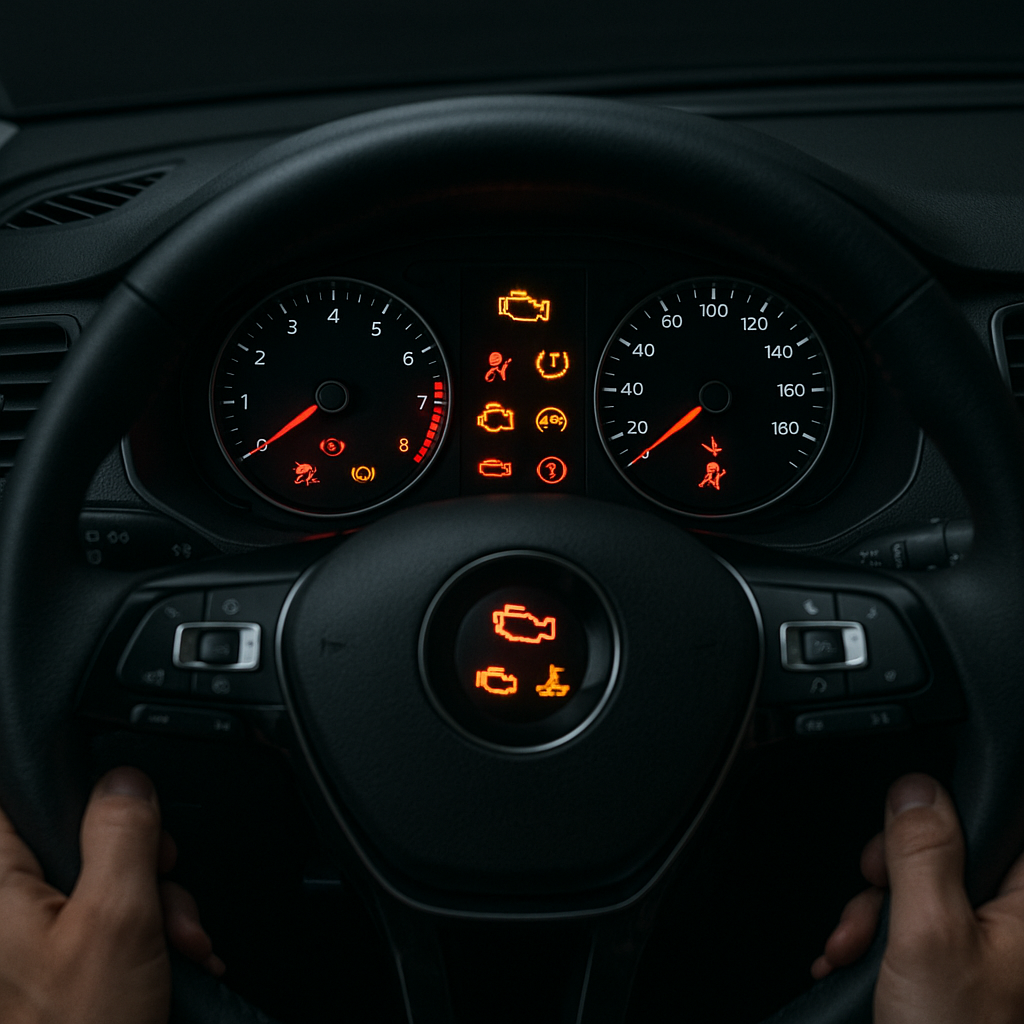
Your vehicle's dashboard is more than just a collection of gauges; it's a vital communication tool that alerts you to potential issues. Dashboard warning lights can indicate everything from minor inconveniences to serious mechanical problems. Understanding these lights can help you take the right action, ensuring your car remains safe and roadworthy.
Common Dashboard Warning Lights and Their Meanings
Here’s a breakdown of some of the most common dashboard warning lights you may encounter:
- Check Engine Light: This light can indicate a range of issues, from a loose fuel cap to more serious engine problems. If it lights up, check your owner's handbook for specific guidance.
- Oil Pressure Warning: This light signifies that your engine oil pressure is low. It’s crucial to check your oil level immediately and top it up if necessary.
- Battery Warning: This indicates a potential issue with your car’s battery or charging system. If this light comes on, you should have your battery checked as soon as possible.
- ABS Warning Light: This light means there’s an issue with your anti-lock braking system. If illuminated, it’s advisable to have your brakes inspected.
- Tyre Pressure Warning: This light signals that one or more of your tyres may be under-inflated. Check your tyre pressures and inflate them to the recommended levels.
Immediate Actions to Take
When a warning light appears, here’s what you should do:
- Stay calm and don’t panic. Often, the issue can be resolved with simple checks.
- Consult your vehicle's owner's handbook for specific details about the warning light.
- If the light remains on after a brief drive, or if you notice any unusual noises or smells, pull over safely and assess the situation.
- Check fluid levels, particularly oil, coolant, and brake fluid.
- For tyre pressure warnings, stop to check your tyre pressures and adjust them as necessary.
Seasonal Considerations for Dashboard Warnings
In the UK, seasonal changes can impact vehicle performance and warning lights. For instance, cold weather can lead to lower tyre pressures and battery performance issues. It's advisable to regularly check your vehicle, especially during winter months. Your car must pass the MOT test, which checks for roadworthiness and safety. Keeping an eye on warning lights can help ensure your vehicle remains compliant and safe for the roads.
When to Book a Mechanic
While some dashboard warning lights can indicate minor issues, others signal that immediate attention is required. Here’s when it’s time to consult a professional:
- If the check engine light is flashing, this indicates a severe engine issue that should be addressed without delay.
- If you experience a loss of power or unusual noises alongside a warning light, it’s best to consult a mechanic.
- Any warning light that remains illuminated after you’ve checked and topped up fluids should be investigated.
- If multiple warning lights appear simultaneously, this could indicate a more serious electrical issue.
For minor issues, such as a low oil warning, you may be able to address the problem yourself. However, if you’re unsure, it’s always best to err on the side of caution and consult a professional mechanic. Typical costs for diagnostics can range from £50 to £100, depending on the garage and the complexity of the issue.
Cost Considerations for Repairs
The cost of repairs can vary significantly based on the issue at hand. Here are some common costs associated with warning lights:
- Check Engine Light: Diagnostics can cost around £50 to £100, while repairs can range from £100 to several hundred pounds, depending on the issue.
- Oil Pressure Light: An oil change can cost between £40 and £100, but if there are deeper issues, costs can escalate.
- ABS Light: Repairs to the ABS system can be quite expensive, ranging from £200 to £600 or more, depending on the fault.
- Battery Warning: A new battery typically costs between £70 and £150, including fitting.
Regular Maintenance and Monitoring
To minimise the chances of dashboard warning lights appearing, regular maintenance is key. Follow your manufacturer’s service schedule, which can be found in your owner’s manual. Regular checks should include:
- Oil level and quality
- Tyre pressures and tread depth
- Brake fluid levels
- Battery condition
- Coolant levels
By staying proactive, you can often prevent issues before they become serious, saving you time and money in the long run.
Conclusion
Understanding dashboard warning lights is essential for any UK driver. By knowing what each light means and what actions to take, you can maintain your vehicle’s performance and safety. Always refer to your owner’s handbook for specific guidance, and don’t hesitate to consult a mechanic for any persistent or concerning warning lights. Keeping your car in top condition not only ensures your safety but also enhances your driving experience.
UK ownership context
If this issue affects visibility, braking, tyres, emissions or warning lights, treat it as a roadworthiness item and sort it before an MOT or any longer journey.
For many drivers, the most useful benchmark is not a generic internet interval but the manufacturer schedule, recent MOT advisories and the pattern of local driving the vehicle sees each week.
Useful next steps with Motoryst
Use the tools below to turn this advice into a practical next step.
- Store and organise your service history
- Run a vehicle history check before buying
- Compare warranty cover options
- Estimate current vehicle value
Useful UK references
- DVSA and GOV.UK guidance on MOT preparation
- Check previous MOT advisories and failures
- Use the vehicle owner's handbook and manufacturer service schedule for model-specific intervals, fluids and warning-light guidance.