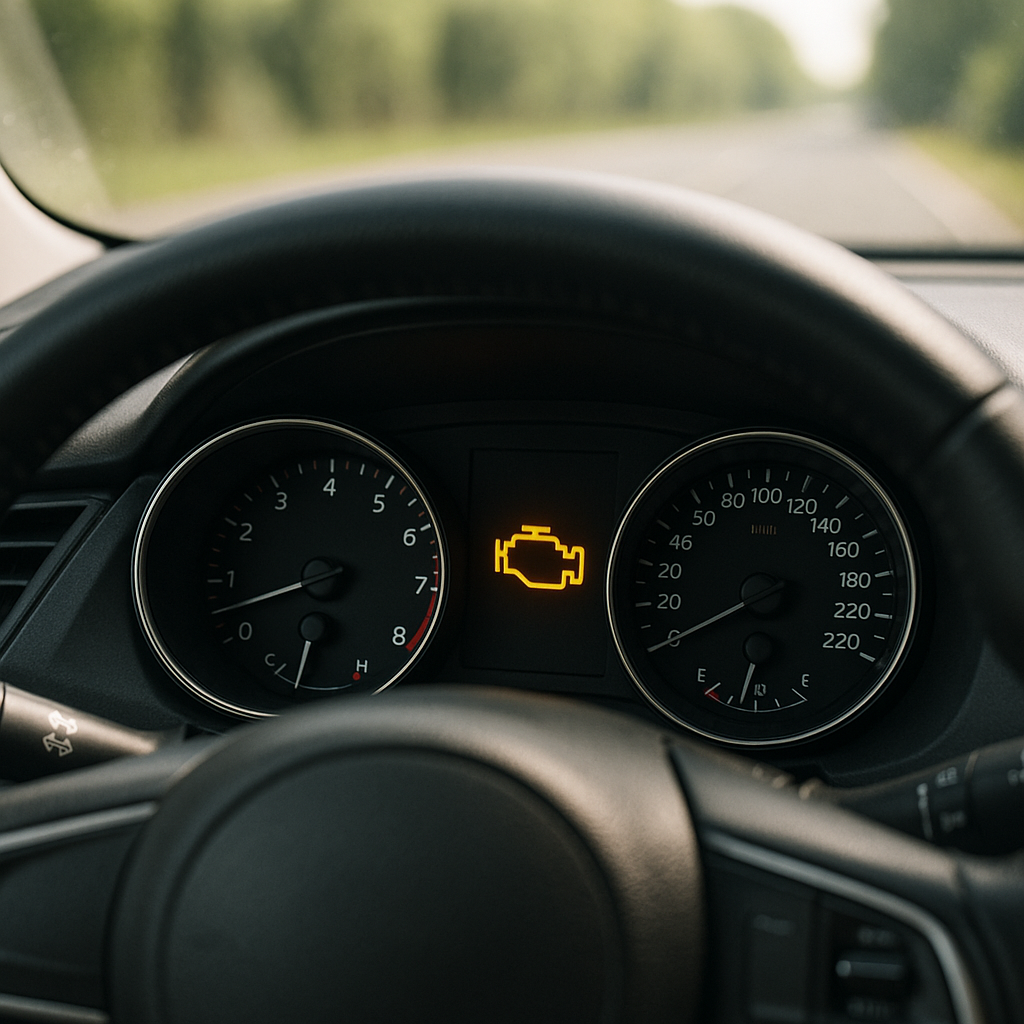
Immediate Steps to Take
Seeing the check engine light illuminate on your dashboard can be alarming. However, it’s crucial to remain calm and take systematic steps to assess the situation. The check engine light can indicate a range of issues, some minor and others potentially serious.
Start by considering the following immediate actions:
- Check for Obvious Issues: Open the bonnet and inspect for any visible problems. Look for loose or disconnected hoses, frayed wires, or fluid leaks.
- Listen for Unusual Noises: Pay attention to any strange sounds from the engine. Knocking, hissing, or excessive vibrations may indicate a more serious problem.
- Monitor Performance: Note if the vehicle is running normally. If you experience stalling, rough idling, or reduced power, this may require urgent attention.
Understanding the Check Engine Light
The check engine light, or Malfunction Indicator Lamp (MIL), is part of your vehicle's onboard diagnostics system. It alerts you when the engine control unit (ECU) detects an issue. This could range from a minor problem, such as a loose petrol cap, to serious issues like engine misfires or catalytic converter failures.
In the UK, understanding the implications of this warning is essential. A malfunctioning engine can lead to increased emissions and may affect your vehicle's MOT status. If your car fails its MOT due to emissions issues, you’ll need to resolve the problem before re-testing.
Check Your Owner’s Handbook
Your first resource should be your vehicle's owner’s handbook. This guide provides specific information relevant to your make and model, including what the check engine light means for your vehicle.
Refer to the section on warning lights and dashboard indicators to understand the severity of the alert. Some vehicles have different light colours (amber, yellow, or red) that indicate the urgency of the issue.
Common Causes of the Check Engine Light
Several common issues can trigger the check engine light. Here are some frequent culprits:
- Loose or Damaged Fuel Cap: This is one of the simplest issues and can lead to fuel evaporation, affecting fuel efficiency.
- Oxygen Sensor Failure: The oxygen sensor monitors the level of unburned oxygen in the exhaust and can affect fuel economy if faulty.
- Mass Airflow Sensor (MAF) Issues: The MAF sensor measures the amount of air entering the engine, and issues can lead to poor performance.
- Catalytic Converter Problems: A failing catalytic converter can cause poor engine performance and increased emissions.
Conducting Basic Checks
Before heading to a mechanic, perform these basic checks:
- Inspect the Fuel Cap: Ensure it is tightly sealed. A loose cap can trigger the check engine light.
- Examine Fluid Levels: Check oil, coolant, and transmission fluid levels. Low levels can cause engine problems.
- Look for Leaks: Check under the vehicle for any fluid leaks that could indicate a problem.
If these checks do not resolve the issue, it may be time to consider further diagnostics.
When to Book a Mechanic
It’s advisable to book an appointment with a qualified mechanic if:
- The check engine light is flashing rather than steady, indicating a severe issue.
- You notice a significant drop in performance, such as stalling or difficulty starting.
- You hear strange noises from the engine that weren’t present before.
- The light remains on after you’ve performed basic checks without any resolution.
In the UK, the cost of diagnostics can vary widely. Expect to pay between £50 to £150 for a diagnostic test, depending on the garage and the complexity of the issue. More extensive repairs, such as replacing a catalytic converter, can range from £500 to over £1,500, depending on the vehicle make and model.
Regular Maintenance and Its Importance
Regular maintenance is key to preventing issues that may trigger the check engine light. Follow your manufacturer’s service schedule, which typically includes:
- Oil changes every 5,000 to 10,000 miles, depending on your vehicle.
- Air filter replacement every 15,000 to 30,000 miles.
- Regular inspections of the exhaust system and fuel system.
Staying proactive with maintenance not only helps in keeping the check engine light at bay but also ensures your vehicle remains roadworthy, especially as you prepare for seasonal changes. For instance, colder months can exacerbate existing issues, making it crucial to address any warning lights promptly.
Conclusion
When your check engine light comes on, don’t panic. Start by conducting basic checks and refer to your owner’s handbook for guidance. If simple fixes don’t resolve the issue, consult a professional mechanic. Regular maintenance is essential for preventing future incidents. By staying informed and proactive, you can ensure your vehicle remains safe and reliable on the road.
UK ownership context
Use your owner's handbook and service schedule as the starting point, then adapt the timing to UK stop-start traffic, colder months and the mileage your car actually covers.
For many drivers, the most useful benchmark is not a generic internet interval but the manufacturer schedule, recent MOT advisories and the pattern of local driving the vehicle sees each week.
Useful next steps with Motoryst
Use the tools below to turn this advice into a practical next step.
- Store and organise your service history
- Run a vehicle history check before buying
- Compare warranty cover options
- Estimate current vehicle value
Useful UK references
- DVSA and GOV.UK guidance on MOT preparation
- Check previous MOT advisories and failures
- Use the vehicle owner's handbook and manufacturer service schedule for model-specific intervals, fluids and warning-light guidance.