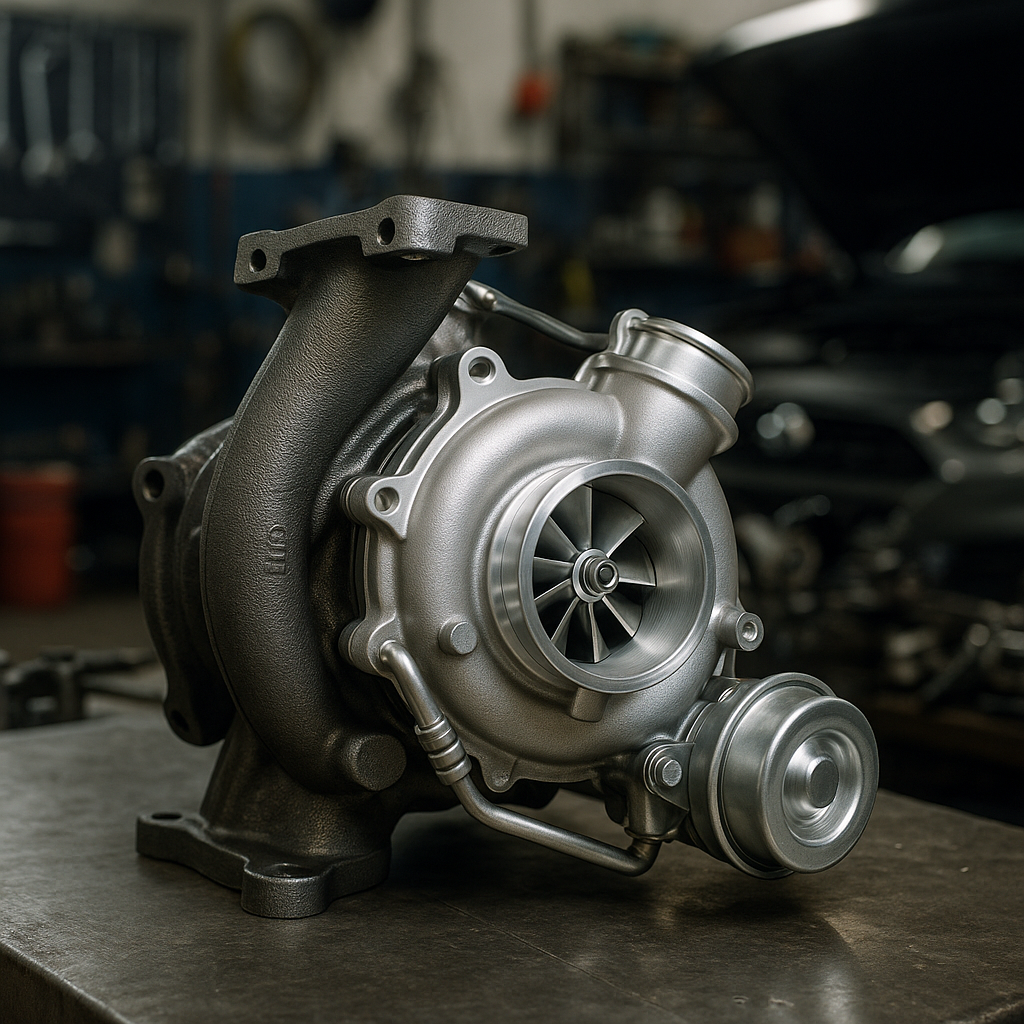
How To Identify Common Turbocharger Warning Signs
The turbocharger is a vital component in many modern vehicles, designed to enhance engine performance and fuel efficiency. By forcing more air into the combustion chamber, it allows for more fuel to be burned, thus increasing power output. However, like any mechanical part, turbochargers can develop issues over time, especially if not properly maintained.
In the UK, with the ever-increasing focus on fuel efficiency and emissions, understanding the warning signs of a failing turbocharger is essential for car owners. Regular checks and maintenance can prevent costly repairs and ensure your vehicle remains roadworthy, especially before an MOT.
Common Turbocharger Warning Signs
Here are some key symptoms that may indicate your turbocharger is experiencing problems:
- Loss of Power: If you notice a significant decrease in acceleration or overall engine power, it could be a sign of turbo failure.
- Whining or Siren-Like Noises: Unusual sounds from the engine may suggest that the turbocharger bearings are worn.
- Excessive Exhaust Smoke: Blue or black smoke from the exhaust can indicate oil leaks or fuel issues related to the turbo.
- Check Engine Light: If this light illuminates, it could be linked to the turbocharger or other engine components.
- Oil Leaks: Puddles of oil under your vehicle might signal a turbo oil line failure.
Being aware of these signs can help you catch potential issues early, saving you from more extensive repairs down the line.
Practical Checks You Can Do This Week
Regularly inspecting your vehicle can help you identify turbocharger problems before they escalate. Here are some practical checks you can perform:
- Visual Inspection: Check for any oil leaks around the turbo unit and the intake area. Look for signs of oil pooling or any damp spots.
- Listen for Unusual Noises: Start your engine and listen closely. If you hear whining or unusual sounds when you accelerate, take note.
- Monitor Performance: Pay attention to how your car drives. If you feel a noticeable loss of power or sluggishness, it’s worth investigating.
- Examine Exhaust Smoke: Observe the colour of your exhaust smoke—blue or black smoke indicates potential turbo issues.
These checks can be quick and easy to perform, and they provide a good indication of your turbocharger’s condition.
Seasonal Considerations
In the UK, seasonal changes can affect your vehicle's performance, including the turbocharger. Cold weather can thicken engine oil, which may hinder the turbo's operation. Additionally, winter driving conditions can lead to increased wear and tear on components, including the turbocharger. Ensure your vehicle is serviced regularly, ideally following the manufacturer's service schedule found in your owner's handbook.
When to Book a Mechanic
If you notice any of the warning signs mentioned earlier, it’s essential to book an appointment with a qualified mechanic as soon as possible. Ignoring these signs can lead to severe engine damage, resulting in more expensive repairs. Here are some specific scenarios where you should definitely seek professional help:
- If the check engine light remains illuminated after performing initial checks.
- If you experience a sudden loss of power that affects your ability to drive safely.
- If you hear unusual sounds that persist, regardless of driving conditions.
- If you observe significant amounts of exhaust smoke.
A qualified mechanic will be able to run diagnostic tests and visually inspect the turbocharger to determine the exact issue. Depending on the severity of the problem, repairs can range from replacing seals and gaskets to a complete turbocharger replacement. Typical costs for turbocharger replacement can vary widely, generally ranging from £500 to over £2,000, depending on the make and model of your vehicle.
Conclusion
Being proactive about your turbocharger's health can save you both time and money. Regular checks and awareness of warning signs are essential for ensuring your vehicle runs smoothly and efficiently. If you suspect any issues, don’t hesitate to contact a mechanic. Keeping your turbocharger in good condition not only improves performance but also contributes to your vehicle's overall longevity and reliability on the road.
UK ownership context
Use your owner's handbook and service schedule as the starting point, then adapt the timing to UK stop-start traffic, colder months and the mileage your car actually covers.
For many drivers, the most useful benchmark is not a generic internet interval but the manufacturer schedule, recent MOT advisories and the pattern of local driving the vehicle sees each week.
Useful next steps with Motoryst
Use the tools below to turn this advice into a practical next step.
- Store and organise your service history
- Run a vehicle history check before buying
- Compare warranty cover options
- Estimate current vehicle value
Useful UK references
- DVSA and GOV.UK guidance on MOT preparation
- Check previous MOT advisories and failures
- Use the vehicle owner's handbook and manufacturer service schedule for model-specific intervals, fluids and warning-light guidance.