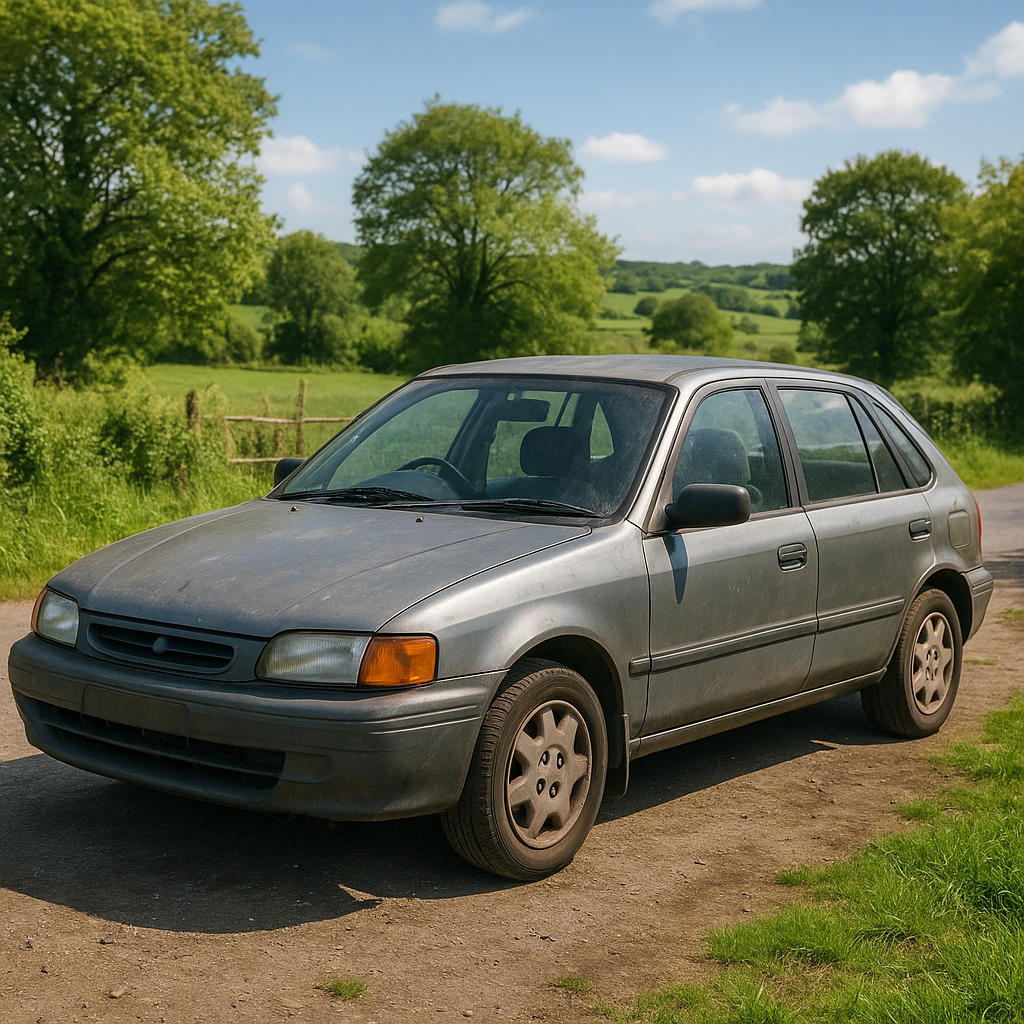
How To Care For A High-mileage Vehicle
In the UK, a vehicle is often considered high-mileage when it has surpassed 100,000 miles. These vehicles can be reliable and serve you well if properly maintained. However, they do require specific care to ensure continued performance and roadworthiness. With the right approach, you can keep your high-mileage car running smoothly, saving you money on repairs and prolonging its lifespan.
Regular Maintenance Checks
Regular maintenance is crucial for high-mileage vehicles. Here are some essential checks to perform:
- Engine Oil: Change the oil every 5,000 to 7,500 miles or as per your owner's handbook.
- Coolant Levels: Ensure the coolant is at the correct level to prevent overheating.
- Brake Fluid: Check and replace the brake fluid every two years to maintain braking efficiency.
- Tyre Condition: Inspect tyres for wear and ensure they are inflated to the recommended pressure.
These checks are not only vital for your vehicle's performance but also for ensuring it passes its MOT test, which is required annually for cars over three years old.
Symptoms to Watch For
As your vehicle ages, you may notice specific symptoms that indicate it needs attention. Here are some common signs to look out for:
- Unusual Noises: Listen for any grinding, whining, or knocking sounds when the engine is running.
- Warning Lights: Pay attention to dashboard warning lights; they often indicate issues that need immediate attention.
- Decreased Fuel Efficiency: A noticeable drop in miles per gallon can signal engine or fuel system issues.
- Fluid Leaks: Check for any puddles under the vehicle, which could indicate leaks from the engine, transmission, or coolant systems.
Proactive Care Steps
To keep a high-mileage vehicle in good shape, consider these proactive care steps:
- Regular Servicing: Follow the manufacturer's service schedule, which may recommend more frequent checks for older vehicles.
- Use Quality Parts: When replacing parts, opt for OEM (Original Equipment Manufacturer) parts for better compatibility.
- Drive Gently: Avoid aggressive driving; smooth acceleration and braking can extend the life of your vehicle.
- Keep It Clean: Regularly wash and wax your car to protect the paint and prevent rust.
These steps can help mitigate the wear and tear associated with high mileage, ensuring your vehicle remains reliable.
UK-Specific Context for High-Mileage Vehicles
In the UK, high-mileage vehicles may face challenges regarding insurance premiums and resale value. Insurers often view high-mileage cars as higher risk, which can lead to increased premiums. Additionally, a vehicle's mileage significantly impacts its resale value, so maintaining it well can help retain its worth.
Moreover, with changing seasons, it’s essential to prepare your vehicle accordingly. For instance, ensuring your tyres are suitable for winter conditions can prevent accidents during colder months.
When to Book a Mechanic
Knowing when to seek professional help is crucial for maintaining your vehicle's health. Book a mechanic if you notice:
- Persistent Warning Lights: If a warning light stays on after checking the owner's handbook, it’s time to consult a professional.
- Unusual Engine Performance: If your vehicle struggles to start or runs roughly, don’t delay in getting it checked.
- Brake Issues: If you experience any changes in braking performance, such as squeaking or a soft pedal, visit a mechanic immediately.
The cost of repairs can vary significantly based on the issue and your vehicle's make and model. Simple services like an oil change can cost around £50 to £100, while more complex jobs, like transmission repairs, can run into the hundreds or even thousands of pounds. Always seek quotes from multiple garages to ensure you get a fair price.
Conclusion
Caring for a high-mileage vehicle requires diligence and attention to detail. By staying proactive with maintenance, watching for symptoms, and knowing when to consult a mechanic, you can keep your car running efficiently for many more miles. Regular checks, quality parts, and gentle driving habits will maximise your vehicle's lifespan and help you avoid costly repairs down the line.
UK ownership context
Use your owner's handbook and service schedule as the starting point, then adapt the timing to UK stop-start traffic, colder months and the mileage your car actually covers.
For many drivers, the most useful benchmark is not a generic internet interval but the manufacturer schedule, recent MOT advisories and the pattern of local driving the vehicle sees each week.
Useful next steps with Motoryst
Use the tools below to turn this advice into a practical next step.
- Store and organise your service history
- Run a vehicle history check before buying
- Compare warranty cover options
- Estimate current vehicle value
Useful UK references
- DVSA and GOV.UK guidance on MOT preparation
- Check previous MOT advisories and failures
- Use the vehicle owner's handbook and manufacturer service schedule for model-specific intervals, fluids and warning-light guidance.