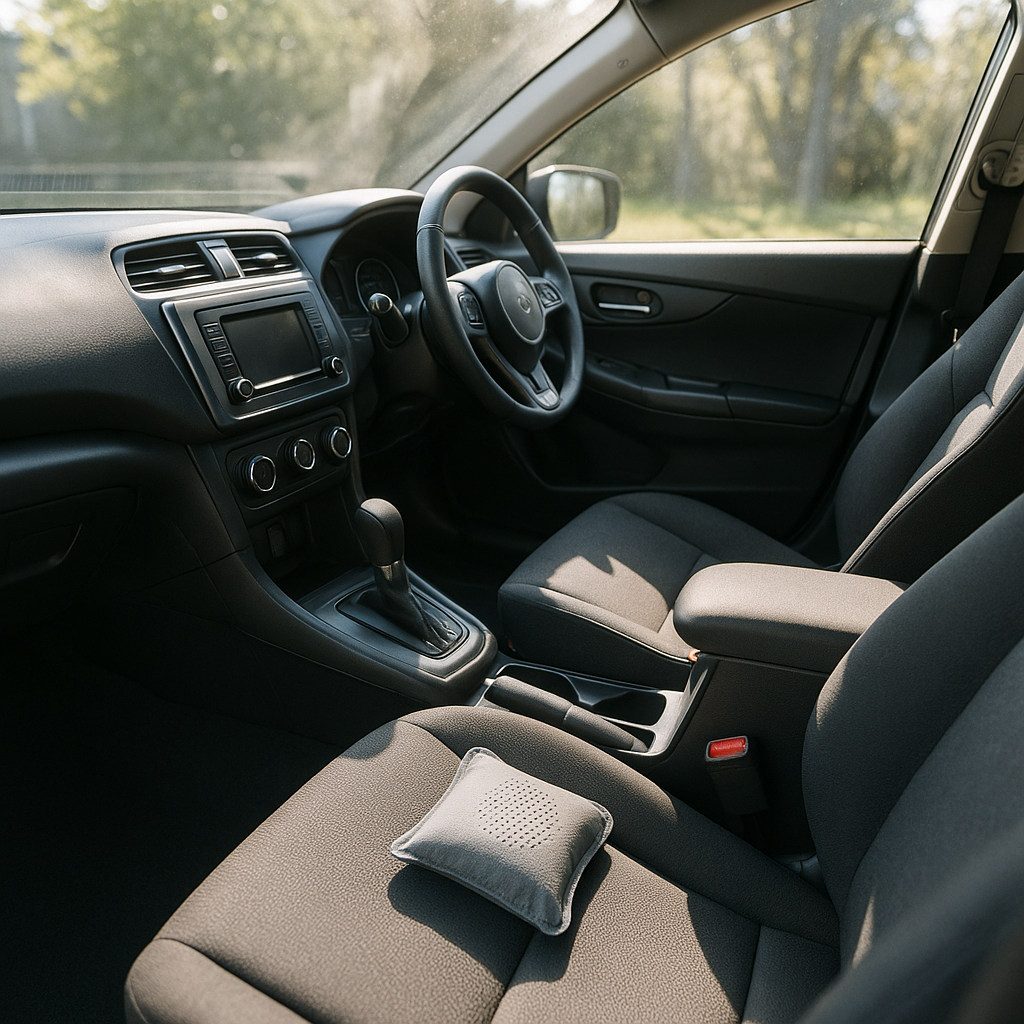
How To Reduce Condensation And Mould Inside Your Car
Condensation and mould inside your car can be a frustrating issue for drivers across the UK, especially during the damp autumn and winter months. Not only do they create an unpleasant environment, but they can also lead to health concerns and damage to your vehicle's interior. Regular maintenance and proactive measures can significantly reduce the chances of these issues arising.
In the UK, moisture can accumulate in your vehicle due to various factors, including weather conditions, the use of heating systems, and even spills or wet clothing. This is particularly important to consider as vehicles undergo regular MOT checks to ensure roadworthiness, and a damp interior can lead to rust and other costly repairs.
Identifying Symptoms of Condensation and Mould
Before tackling condensation and mould, it's essential to recognise the symptoms:
- Foggy windows, especially after starting your car
- Musty or damp smells inside the cabin
- Visible mould growth on seats or carpets
- Persistent dampness in the footwells
- Discolouration of upholstery or trim
If you notice any of these signs, it’s time to take action to prevent further issues.
Immediate Actions to Reduce Moisture Levels
Here are practical steps you can take this week to reduce condensation and mould in your vehicle:
- Check Door Seals: Inspect the rubber seals around doors and windows for any cracks or wear. Replace any damaged seals to prevent water ingress.
- Use a Dehumidifier: Consider using a car dehumidifier, which can absorb excess moisture in the air. These are often inexpensive and can be placed in the footwell.
- Regularly Clean and Dry: Clean your car's interior regularly, especially after wet weather. Ensure that any spills are dried immediately to prevent mould growth.
- Avoid Wet Items: Try not to leave wet clothes or umbrellas inside the vehicle, as they can contribute to moisture accumulation.
- Park Smart: Whenever possible, park your car in a garage or a covered area to protect it from rain and dew.
Seasonal Considerations for Car Care
As the seasons change, so do the challenges associated with moisture in your vehicle. In winter, condensation is more prevalent due to increased humidity and colder temperatures. During this time, consider the following:
- Use your car's heating system to help dry out the interior. Aim to use the air conditioning for a short period, even in winter, as it helps to dehumidify the air.
- Keep windows slightly ajar when parked in dry conditions to allow airflow, which helps reduce moisture build-up.
Regular service intervals, as outlined in your owner's handbook, can also help identify potential leaks or moisture issues before they become severe. Following the manufacturer’s schedule can prevent costly repairs and ensure your vehicle remains in roadworthy condition.
When to Book a Mechanic
If you have tried the above measures and still experience condensation or mould issues, it may be time to consult a professional. Book a mechanic if you notice:
- Persistent dampness that does not improve with dehumidifying
- Signs of rust or corrosion on metal components
- Unusual smells that could indicate hidden mould or mildew
Costs for a mechanic can vary widely based on the nature of the problem. A simple inspection might cost around £50 to £100, while addressing leaks or replacing seals could range from £100 to £300, depending on the extent of the work required. Always request a quote before proceeding with repairs.
Long-Term Strategies for Prevention
To ensure your vehicle remains free from condensation and mould in the long run, consider these strategies:
- Regular Maintenance: Schedule regular checks with a qualified mechanic to monitor seals, drainage systems, and ventilation.
- Use Protective Covers: Invest in high-quality car covers if parking outside, as they can help shield your vehicle from the elements.
- Install a Cabin Air Filter: A clean cabin air filter can improve air circulation and reduce moisture levels inside the vehicle.
By implementing these strategies, you can maintain a dry and pleasant environment within your car, enhancing both your comfort and the longevity of your vehicle.
UK ownership context
Use your owner's handbook and service schedule as the starting point, then adapt the timing to UK stop-start traffic, colder months and the mileage your car actually covers.
For many drivers, the most useful benchmark is not a generic internet interval but the manufacturer schedule, recent MOT advisories and the pattern of local driving the vehicle sees each week.
Useful next steps with Motoryst
Use the tools below to turn this advice into a practical next step.
- Store and organise your service history
- Run a vehicle history check before buying
- Compare warranty cover options
- Estimate current vehicle value
Useful UK references
- DVSA and GOV.UK guidance on MOT preparation
- Check previous MOT advisories and failures
- Use the vehicle owner's handbook and manufacturer service schedule for model-specific intervals, fluids and warning-light guidance.