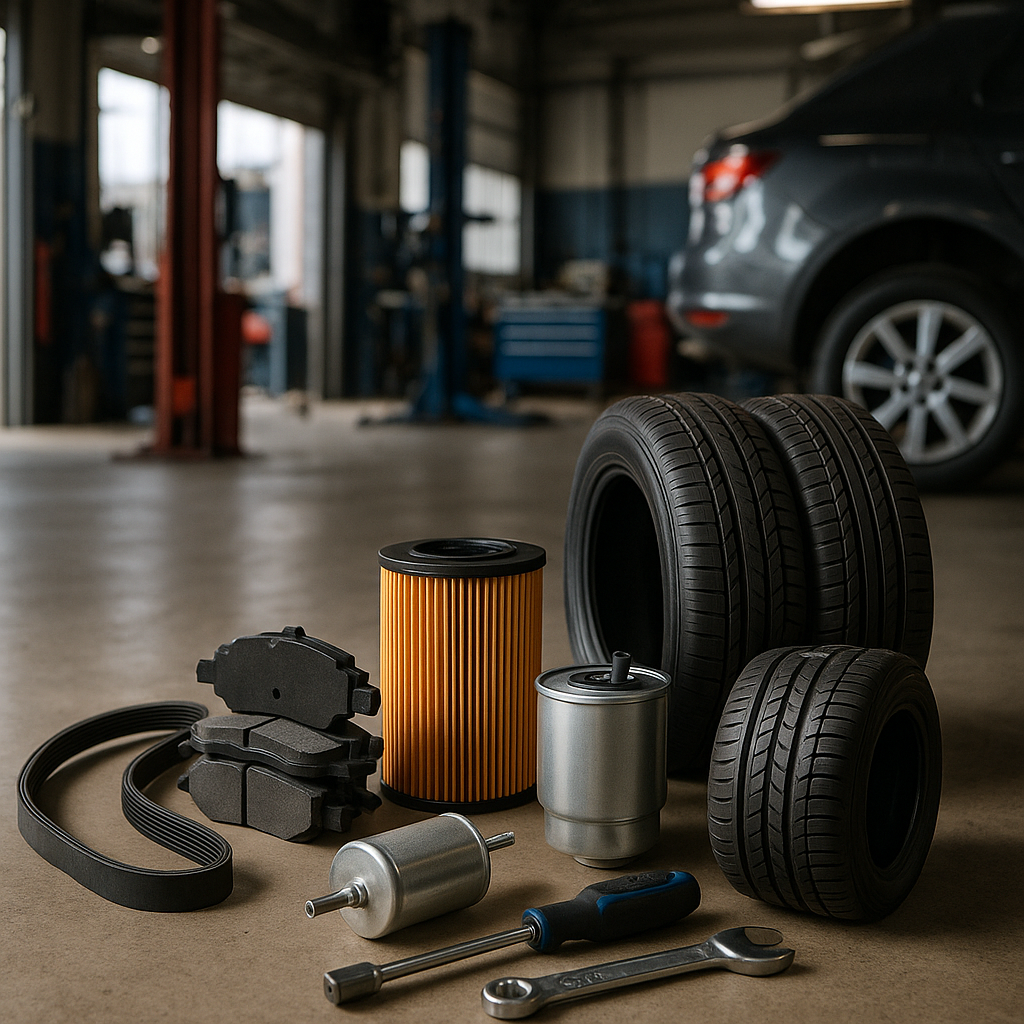
How To Choose Quality Replacement Parts On A Budget
When it comes to maintaining your vehicle, choosing the right replacement parts can significantly impact both performance and safety. In the UK, where vehicles must pass an annual MOT test to ensure roadworthiness, using quality components is essential. A well-maintained car not only runs smoothly but also saves you money in the long run by preventing costly repairs.
During seasonal changes, such as winter, the demand for reliable parts increases, particularly for components like brake pads and tyres that face more wear and tear. Therefore, understanding how to select quality replacement parts while sticking to a budget is crucial for every driver.
Assessing Your Needs
Before making a purchase, it's vital to assess what parts need replacing. Here are some common signs that indicate a replacement is necessary:
- Unusual noises (squeaking, grinding) from brakes or suspension.
- Warning lights on the dashboard, indicating issues with engine or brakes.
- Fluid leaks underneath the car.
- Decreased performance, such as poor acceleration or handling.
Check your vehicle's owner's handbook for specific service intervals and recommended replacement schedules. This will guide you on when parts are due for replacement based on the manufacturer's advice.
Where to Source Replacement Parts
When sourcing replacement parts, you have several options:
- Main Dealer: Generally offers OEM (Original Equipment Manufacturer) parts that are guaranteed to fit your vehicle but can be more expensive.
- Aftermarket Suppliers: These parts are often cheaper and can be of comparable quality. However, ensure they meet DVSA (Driver and Vehicle Standards Agency) standards.
- Scrapyards: A budget-friendly option for finding used parts. Always check the condition and ask about return policies.
Research local suppliers and online marketplaces to compare prices. Websites like eBay, Euro Car Parts, and local auto parts shops often have deals that can help you save money.
Evaluating Quality vs. Cost
While sticking to a budget is important, compromising on quality can lead to more expenses down the line. Here are some factors to consider when evaluating parts:
- Brand Reputation: Look for brands with good reviews and a track record of reliability.
- Warranty: A warranty can provide peace of mind. Parts with a warranty indicate confidence in their quality.
- Material Quality: Check whether parts are made from durable materials. For example, ceramic brake pads tend to last longer than semi-metallic ones.
It’s wise to consult forums or online communities specific to your vehicle make and model for recommendations on trustworthy brands.
When to Book a Mechanic
While DIY replacement can save money, some situations warrant professional help. Consider booking a mechanic if:
- You are unsure about the diagnosis or replacement process.
- The part is critical to safety, such as brakes or steering components.
- You lack the necessary tools or space to perform the work safely.
Additionally, if you notice persistent issues after replacing parts, it’s best to consult a professional. Mechanics can offer insights based on their experience and may catch underlying problems that are not immediately apparent.
Cost Considerations and Final Tips
Replacement part costs can vary widely based on the make and model of your vehicle, the type of part, and whether it’s OEM or aftermarket. Here are some general cost considerations:
- Brake Pads: £30 to £100 per axle for aftermarket; OEM may cost more.
- Tyres: Budget tyres can start around £40, while premium brands can go over £100 each.
- Filters (oil, air, fuel): Typically range from £10 to £40, depending on the type.
Always factor in potential labour costs if you’re not doing the work yourself. Labour rates can vary from £50 to £100 per hour in the UK, so getting a quote before proceeding is advisable.
In conclusion, choosing quality replacement parts on a budget requires careful consideration, research, and sometimes a bit of patience. By following these guidelines, you can ensure your vehicle remains safe and reliable without breaking the bank.
UK ownership context
Use your owner's handbook and service schedule as the starting point, then adapt the timing to UK stop-start traffic, colder months and the mileage your car actually covers.
For many drivers, the most useful benchmark is not a generic internet interval but the manufacturer schedule, recent MOT advisories and the pattern of local driving the vehicle sees each week.
Useful next steps with Motoryst
Use the tools below to turn this advice into a practical next step.
- Review high-level ownership signals with Car Score
- Store and organise your service history
- Run a vehicle history check before buying
- Compare warranty cover options
Useful UK references
- DVSA and GOV.UK guidance on MOT preparation
- Check previous MOT advisories and failures
- Use the vehicle owner's handbook and manufacturer service schedule for model-specific intervals, fluids and warning-light guidance.