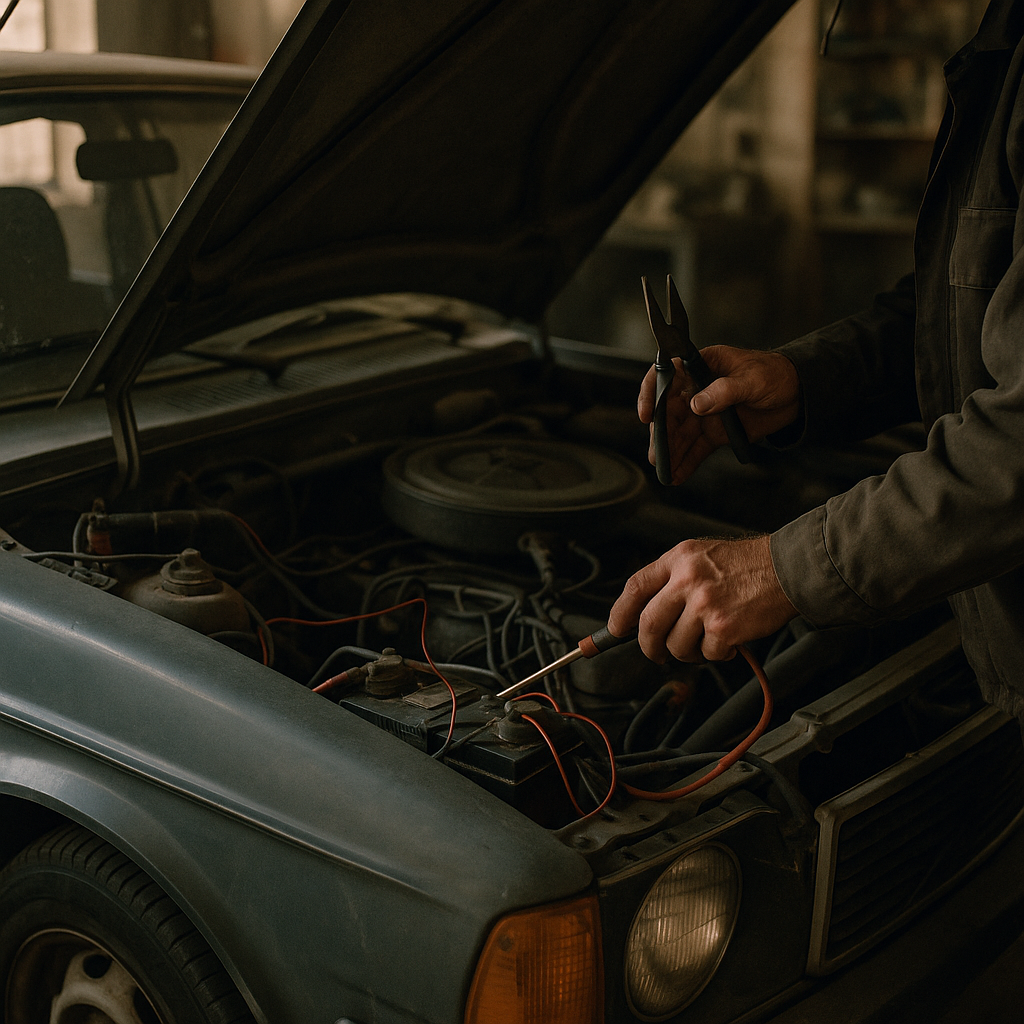
How To Handle Common Electrical Faults In Older Vehicles
As vehicles age, electrical systems can become more susceptible to faults. These issues can range from minor annoyances to significant safety concerns. In the UK, where regular MOT testing is mandatory, it's crucial to address electrical problems promptly to ensure roadworthiness and compliance with safety regulations.
Older vehicles often have wiring that degrades over time, leading to various electrical faults. Being proactive about identifying and resolving these issues can save you time and money while keeping your car safe to drive.
Common Electrical Faults and Their Symptoms
Identifying electrical faults early can prevent more severe problems down the line. Here are some common electrical issues you might encounter in older vehicles:
- Battery Problems: Weak starting, dimming lights, or electrical accessories not working.
- Alternator Issues: Warning lights on the dashboard, battery not charging, or strange noises when the engine is running.
- Fuses Blowing: Frequent blown fuses for specific electrical systems, such as lights or radio.
- Wiring Problems: Frayed wires, corrosion, or loose connections causing intermittent faults.
- Starter Motor Failures: Clicking sound when turning the key, engine not cranking, or stalling.
Practical Checks You Can Perform
Many electrical faults can be diagnosed with basic checks that you can perform at home. Here are some practical steps to take:
- Battery: Check for corrosion on the terminals and ensure connections are tight. If the battery is over three years old, consider having it tested.
- Alternator: Use a multimeter to check the voltage output while the engine is running. It should be between 13.7 and 14.7 volts.
- Fuses: Inspect the fuse box for blown fuses. Replace any that are damaged with the correct amperage fuses.
- Wiring: Look for signs of wear, such as fraying or exposed wires, especially in high-heat areas like the engine bay.
- Starter Motor: Listen for clicking sounds when starting. If you hear a click but the engine doesn’t turn over, it could be a starter issue.
Seasonal Considerations
In the UK, seasonal conditions can exacerbate electrical issues. Cold weather can reduce battery efficiency, while damp conditions can lead to corrosion and short circuits. Ensure your vehicle's electrical system is in good condition before winter sets in, as this can prevent starting problems and ensure your lights and wipers function correctly during adverse weather.
Cost Considerations
Addressing electrical faults can vary in cost. Here’s a breakdown of potential expenses:
- Battery Replacement: Typically ranges from £80 to £150, depending on the make and model of your vehicle.
- Alternator Repair/Replacement: Costs can range from £200 to £600, influenced by the complexity of the job and parts required.
- Starter Motor Replacement: Expect to pay between £150 and £400, depending on labour costs and the motor’s make.
- Wiring Repairs: Costs can vary significantly based on the extent of the damage, from £50 for simple repairs to several hundred for extensive rewiring.
Regular maintenance and checks can reduce overall costs and prevent electrical issues from escalating. Refer to your vehicle’s owner’s handbook for specific maintenance schedules and recommendations.
When to Book a Mechanic
While some electrical faults can be handled at home, knowing when to call in a professional is crucial. Consider booking a mechanic if:
- You’ve replaced the battery but the car still won’t start.
- The alternator is not charging the battery, and you've ruled out simple issues.
- You notice a burning smell or smoke from the electrical system.
- Multiple electrical components are failing simultaneously.
- You’re uncomfortable performing electrical diagnostics or repairs yourself.
When seeking a mechanic, look for those with a good reputation and experience with older vehicles. Check reviews and ask about their approach to diagnosing electrical faults. The cost of labour can vary widely, so obtaining multiple quotes is advisable.
Conclusion
Handling electrical faults in older vehicles requires a combination of vigilance and practical knowledge. By conducting regular checks and understanding when to seek professional help, you can maintain your vehicle’s performance and safety. Remember, keeping your car in good condition not only ensures it remains roadworthy but can also enhance its resale value in the long run.
UK ownership context
Use your owner's handbook and service schedule as the starting point, then adapt the timing to UK stop-start traffic, colder months and the mileage your car actually covers.
For many drivers, the most useful benchmark is not a generic internet interval but the manufacturer schedule, recent MOT advisories and the pattern of local driving the vehicle sees each week.
Useful next steps with Motoryst
Use the tools below to turn this advice into a practical next step.
- Store and organise your service history
- Run a vehicle history check before buying
- Compare warranty cover options
- Estimate current vehicle value
Useful UK references
- DVSA and GOV.UK guidance on MOT preparation
- Check previous MOT advisories and failures
- Use the vehicle owner's handbook and manufacturer service schedule for model-specific intervals, fluids and warning-light guidance.