How To Spot Early Brake Wear Before It Becomes Expensive
In the UK, ensuring your car's brakes are in good condition is not just a matter of safety but also a legal requirement. During the annual MOT test, your vehicle's braking system will be assessed for effectiveness and wear. Failing to maintain your brakes can lead to costly repairs and potential road safety hazards. Regular checks can help you catch issues early, saving you money and ensuring your vehicle remains roadworthy.
Signs of Early Brake Wear
Being proactive about brake maintenance can prevent expensive repairs down the line. Here are some common symptoms of early brake wear you should look out for:
- Squeaking or Squealing Noises: A high-pitched noise when braking often indicates worn brake pads.
- Grinding Sounds: If you hear a grinding noise, it may mean the brake pads are worn down to the metal.
- Vibration When Braking: If the steering wheel shakes when you brake, it could indicate warped rotors.
- Pulling to One Side: If your car pulls to one side while braking, it may suggest uneven wear or a stuck calliper.
- Dashboard Warning Lights: Pay attention to any warning lights on your dashboard that indicate brake issues.
Visual Inspections You Can Perform
Regular visual inspections can help you catch brake wear before it escalates. Here’s how to conduct a simple brake check:
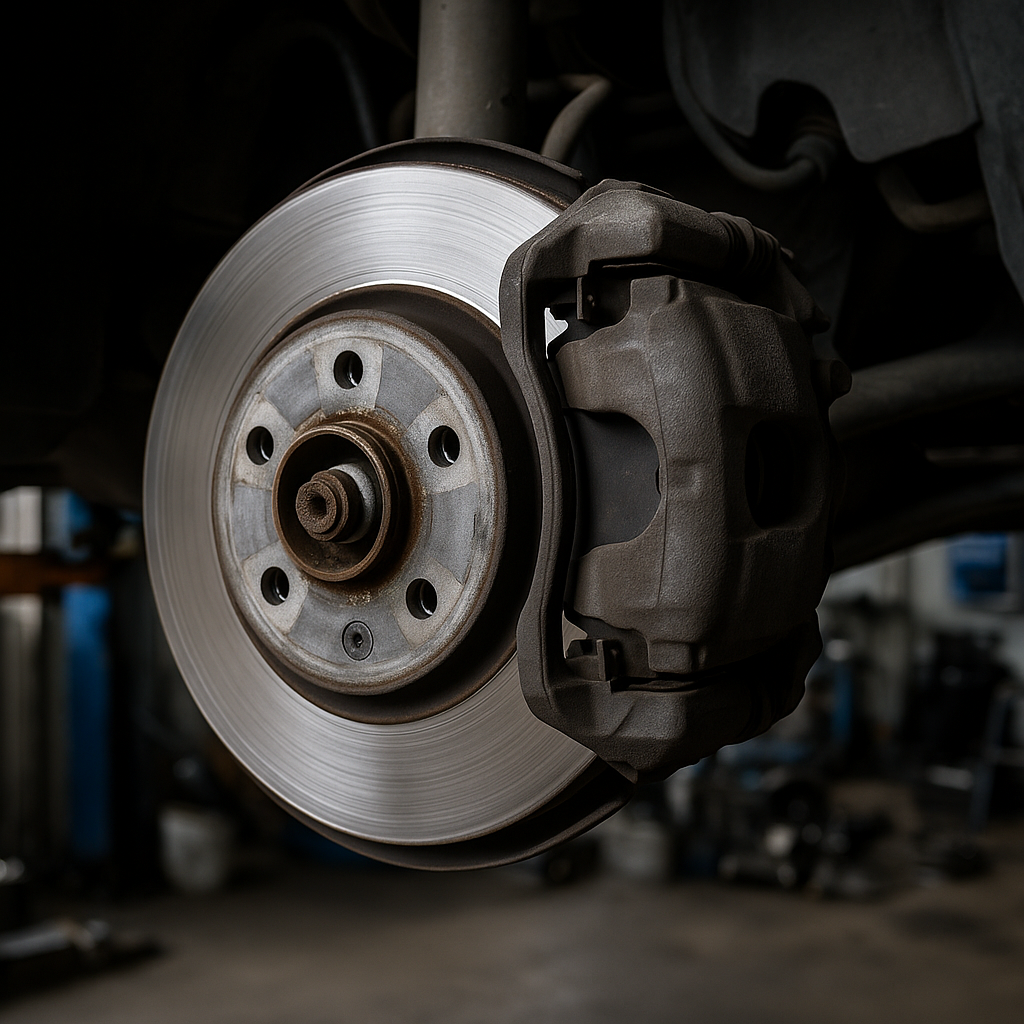
- Check Brake Pads: Look through the wheel spokes to see the brake pads. They should be at least 3mm thick. If they are thinner, it’s time for a replacement.
- Inspect Brake Discs: Examine the brake discs for grooves or scoring. Smooth discs are ideal; any noticeable damage could mean they need replacing.
- Look for Leaks: Check for any brake fluid leaks around the brake lines and callipers. Leaks can significantly affect braking performance.
- Monitor Brake Fluid Levels: Regularly check the brake fluid reservoir. Low levels can indicate a leak or worn brake pads.
Scheduled Maintenance and Seasonal Checks
In the UK, it's advisable to have your brakes checked at least once a year, preferably during routine servicing. However, seasonal changes can affect brake performance. For instance, wet and icy conditions in winter can lead to increased brake wear due to more frequent use. Here are some actions to consider:
- Schedule a brake inspection before winter to ensure your vehicle is ready for wet roads.
- Consider having your brakes checked after long road trips or towing, as these can strain your braking system.
When to Book a Mechanic
If you notice any of the symptoms mentioned earlier, it's crucial to book an appointment with a qualified mechanic. Additionally, if you observe:
- Unusual noises that persist after a visual check.
- A significant decrease in braking performance.
- Warning lights on your dashboard.
While the cost of brake servicing can vary depending on your vehicle and location, you can expect to pay around £100 to £300 for brake pad replacement, while disc replacements can add an additional £150 to £300. These costs can escalate if you delay repairs, as further damage can occur.
Cost Drivers for Brake Maintenance
Several factors influence the cost of brake maintenance:
- Type of Vehicle: Luxury or high-performance vehicles may require specialised parts, increasing costs.
- Parts Quality: OEM (Original Equipment Manufacturer) parts tend to be more expensive than aftermarket alternatives but often provide better longevity.
- Labour Rates: Mechanic labour rates can vary by region; urban areas typically have higher rates than rural locations.
Conclusion
Regularly inspecting your brakes and being aware of early warning signs can save you from expensive repairs and ensure your safety on the roads. Make it a habit to check your brakes regularly and consult a professional when in doubt. Keeping your braking system in optimal condition not only enhances your vehicle's performance but also contributes to overall road safety.
UK ownership context
If this issue affects visibility, braking, tyres, emissions or warning lights, treat it as a roadworthiness item and sort it before an MOT or any longer journey.
For many drivers, the most useful benchmark is not a generic internet interval but the manufacturer schedule, recent MOT advisories and the pattern of local driving the vehicle sees each week.
Useful next steps with Motoryst
Use the tools below to turn this advice into a practical next step.
- Check compliance and road-use related details
- Store and organise your service history
- Run a vehicle history check before buying
- Compare warranty cover options
Useful UK references
- DVSA and GOV.UK guidance on MOT preparation
- Check previous MOT advisories and failures
- Use the vehicle owner's handbook and manufacturer service schedule for model-specific intervals, fluids and warning-light guidance.