Understanding Dashboard Warning Lights And What To Do Next
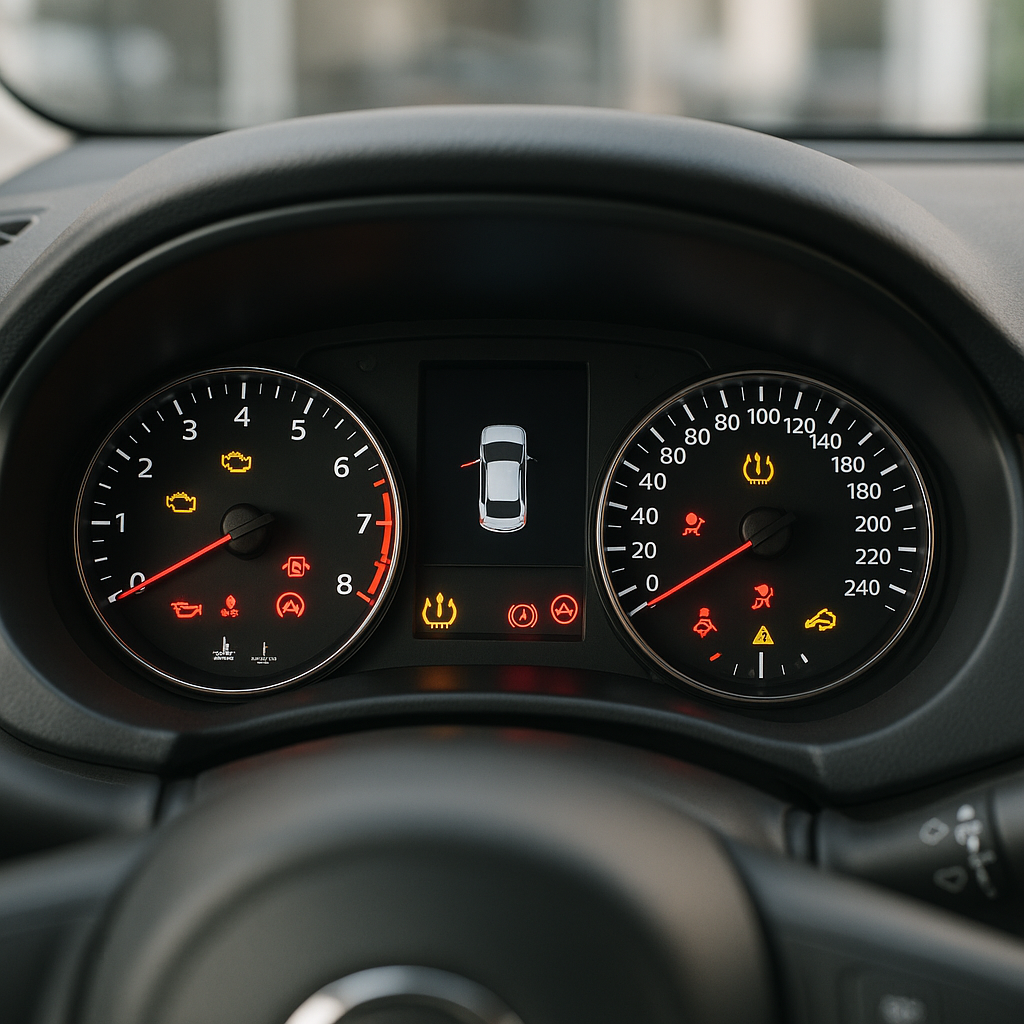
Your car’s dashboard is equipped with various warning lights that serve as vital indicators of its health and performance. Recognising these symbols can be the difference between a minor issue and a major repair. Each light has a specific meaning, and knowing what to do next can save you time, money, and stress.
Common Dashboard Warning Lights
Here’s a list of some of the most common dashboard warning lights you may encounter:
- Engine Warning Light: This light can indicate a range of issues from minor to severe. If it illuminates, check for other symptoms like unusual noises or performance issues.
- Oil Pressure Warning: This light indicates insufficient oil pressure. Check your oil levels immediately and look for leaks.
- Battery Warning: If this light appears, it may indicate a failing battery or alternator. Ensure connections are secure and test the battery if you can.
- Brake Warning Light: This could signify low brake fluid or a more serious braking system issue. Inspect fluid levels and brake performance.
- Tire Pressure Warning: This light alerts you to low tire pressure. Check all tires, including the spare, and inflate them as necessary.
What to Do When a Warning Light Comes On
Upon noticing a warning light, follow these steps:
- Stay Calm: Keep your focus on the road and find a safe place to pull over.
- Refer to the Owner’s Manual: Each car model has specific meanings for warning lights. Your owner’s handbook will provide detailed information.
- Assess the Situation: Look for any accompanying symptoms. For example, if the engine light is on but the car is running smoothly, it may not be an immediate concern.
- Take Action: Depending on the warning light, you may need to check fluids, inspect the vehicle, or call for assistance.
Seasonal Considerations for Dashboard Lights
In the UK, seasonal changes can affect vehicle performance. Cold weather may lead to battery issues, while hot weather can exacerbate cooling system problems. Regular checks, especially before winter and summer, can mitigate risks.
Additionally, the MOT (Ministry of Transport) test checks for roadworthiness and includes an inspection of warning lights. Ensure your vehicle is in good condition before the test to avoid failing.
When to Book a Mechanic
While some warning lights may allow for immediate action, others require professional attention. Here’s when you should consider booking a mechanic:
- If the engine warning light is accompanied by strange noises or performance issues.
- If the oil pressure light remains on after checking oil levels.
- If the brake warning light is illuminated and you notice a change in braking performance.
- If the battery warning light stays on after checking connections and battery health.
Cost Considerations for Repairs
The cost of repairs can vary significantly based on the issue at hand:
- Oil Change: Typically ranges from £50 to £100, depending on the garage and oil type.
- Brake Repairs: Costs can vary widely; for example, replacing brake pads can be between £100 to £300 per axle.
- Battery Replacement: Expect to pay between £70 and £150 for a new battery, depending on the make and model of your vehicle.
- Engine Diagnostics: If you need a diagnostic check for the engine warning light, expect costs around £50 to £100.
Conclusion: Stay Proactive
By understanding your dashboard warning lights and taking the appropriate actions, you can ensure your vehicle remains safe and reliable. Regular maintenance and checks are essential not only for your vehicle's longevity but also for your safety on the road. Always consult your owner’s manual and consider professional guidance when necessary.
UK ownership context
If this issue affects visibility, braking, tyres, emissions or warning lights, treat it as a roadworthiness item and sort it before an MOT or any longer journey.
For many drivers, the most useful benchmark is not a generic internet interval but the manufacturer schedule, recent MOT advisories and the pattern of local driving the vehicle sees each week.
Useful next steps with Motoryst
Use the tools below to turn this advice into a practical next step.
- Store and organise your service history
- Run a vehicle history check before buying
- Compare warranty cover options
- Estimate current vehicle value
Useful UK references
- DVSA and GOV.UK guidance on MOT preparation
- Check previous MOT advisories and failures
- Use the vehicle owner's handbook and manufacturer service schedule for model-specific intervals, fluids and warning-light guidance.