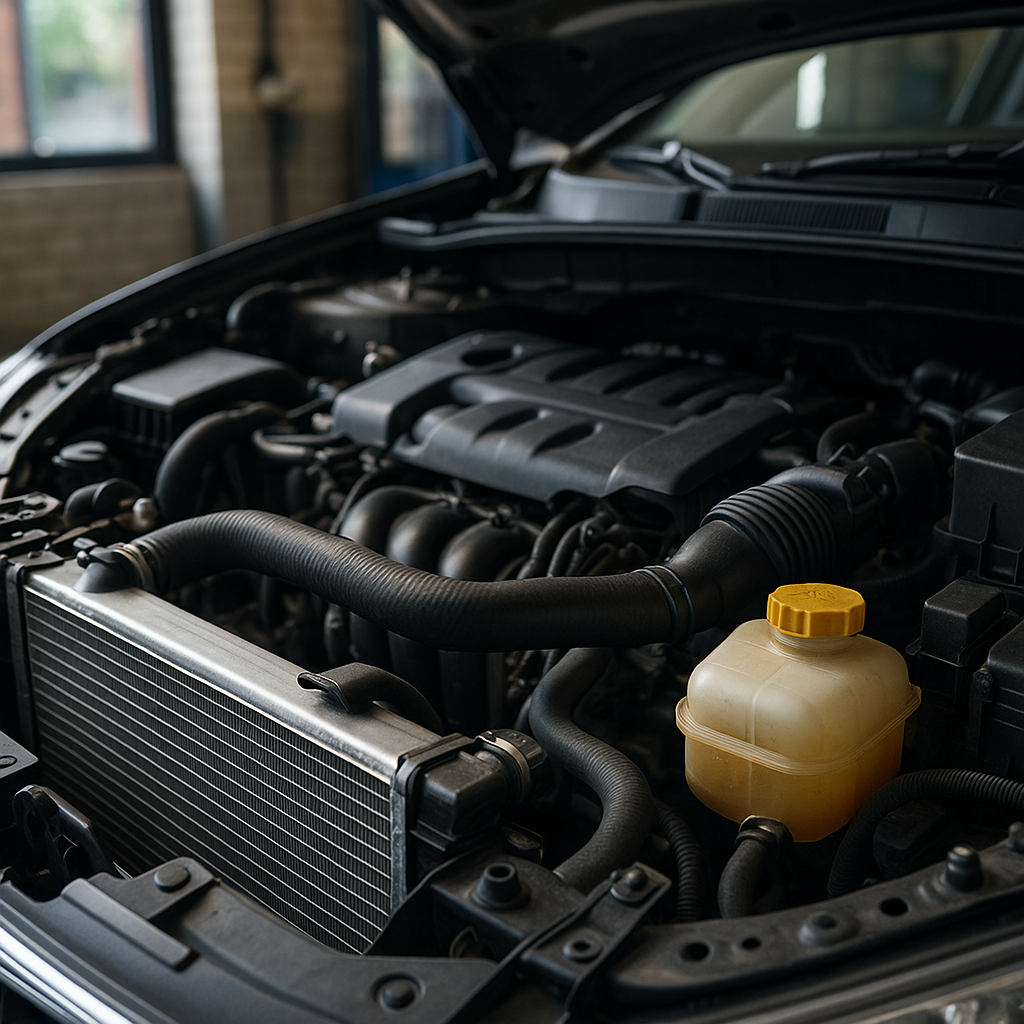
How To Keep Your Cooling System Healthy In Summer
As the temperatures rise during the summer months, your car's cooling system plays a crucial role in maintaining engine performance and preventing overheating. In the UK, where summer temperatures can vary, it’s essential to ensure that your cooling system is in optimal condition. An efficient cooling system not only improves your vehicle's performance but also prolongs its lifespan, ultimately saving you money on repairs and maintenance.
Regular maintenance of your cooling system is vital, especially as part of your annual service and prior to the summer driving season. The Driver and Vehicle Standards Agency (DVSA) recommends that all vehicles undergo regular checks to ensure they are roadworthy, including an inspection of the cooling system.
Key Components of Your Cooling System
Your car's cooling system consists of several key components that work together to regulate engine temperature:
- Radiator: Helps dissipate heat from the engine.
- Water Pump: Circulates coolant throughout the engine and radiator.
- Thermostat: Regulates the flow of coolant based on temperature.
- Coolant Reservoir: Holds excess coolant and allows for expansion.
- Hoses: Transport coolant to and from the engine and radiator.
Regular Checks to Perform This Week
To keep your cooling system healthy, consider performing the following checks:
- Coolant Level: Check the coolant level in the reservoir. It should be between the 'min' and 'max' marks. If it’s low, top it up with the recommended coolant type as specified in your owner's handbook.
- Coolant Condition: Inspect the coolant for any signs of contamination or rust. Fresh coolant is typically bright in colour, while old coolant may appear dark or murky.
- Hoses and Connections: Look for any signs of wear, cracks, or leaks in the hoses. Ensure that all connections are secure.
- Radiator Condition: Check for any signs of damage, such as bent fins or leaks. A clean radiator is essential for efficient cooling.
- Thermostat Function: If your engine takes too long to warm up or overheats, the thermostat may need replacing.
Symptoms of Cooling System Issues
Be vigilant for any symptoms that might indicate a problem with your cooling system:
- Overheating: If your temperature gauge rises above normal levels, it could signal overheating.
- Coolant Leaks: Puddles of coolant under your vehicle can indicate a leak.
- Unusual Noises: A whining or grinding noise from the water pump may suggest it’s failing.
- Steam from the Engine: If you see steam, pull over immediately and allow the engine to cool down.
Practical Steps to Maintain Your Cooling System
Here are some practical actions you can take to ensure your cooling system remains in good shape:
- Regularly Top Up Coolant: Always use a coolant that meets your vehicle’s specifications. A mixture of 50% coolant and 50% water is generally recommended.
- Flush the Cooling System: Consider flushing the cooling system every two years to remove any build-up of debris and contaminants.
- Inspect the Radiator Cap: A faulty radiator cap can lead to pressure loss and coolant leaks. Replace it if necessary.
- Monitor Your Driving Conditions: If you frequently drive in heavy traffic or hilly areas, your cooling system will work harder, so be extra vigilant.
When to Book a Mechanic
If you notice any of the symptoms mentioned above or if your cooling system checks reveal any issues, it’s essential to book a mechanic as soon as possible. Here are some specific situations where professional assistance is necessary:
- Persistent overheating despite regular checks.
- Visible coolant leaks that you cannot identify or fix.
- Strange noises coming from the water pump.
- Steam or smoke from the engine compartment.
The cost of repairs can vary widely depending on the issue. For example, a simple coolant top-up may cost around £20, while replacing a water pump could run anywhere from £150 to £400, depending on the make and model of your vehicle. Always seek a detailed quote from your mechanic to understand the potential costs involved.
Final Thoughts on Summer Cooling System Care
Maintaining your car’s cooling system is essential for safe and efficient driving during the summer months. By performing regular checks and being proactive about any potential issues, you can avoid costly repairs and ensure your vehicle remains roadworthy. Always refer to your owner's handbook for specific maintenance recommendations and consult a qualified mechanic when in doubt.
UK ownership context
UK weather swings, short urban trips and motorway mileage all change how quickly wear shows up, so set your checks around the way the car is actually used.
For many drivers, the most useful benchmark is not a generic internet interval but the manufacturer schedule, recent MOT advisories and the pattern of local driving the vehicle sees each week.
Useful next steps with Motoryst
Use the tools below to turn this advice into a practical next step.
- Store and organise your service history
- Run a vehicle history check before buying
- Compare warranty cover options
- Estimate current vehicle value
Useful UK references
- DVSA and GOV.UK guidance on MOT preparation
- Check previous MOT advisories and failures
- Use the vehicle owner's handbook and manufacturer service schedule for model-specific intervals, fluids and warning-light guidance.