The Importance of Car Paint Protection
Your car's paintwork is not just for aesthetics; it plays a crucial role in protecting the metal beneath from rust and corrosion. In the UK, where the weather can be unpredictable and road salt is commonly used during winter months, safeguarding your vehicle's exterior is essential for maintaining its value and longevity.
Understanding the Threats
Weather conditions and road salt can cause significant damage to your car's paint if not properly managed. Here are some common threats:
- Rain and Humidity: Prolonged exposure can lead to water spots and corrosion.
- UV Rays: Sunlight can fade and dull paint over time.
- Road Salt: Used to de-ice roads, it can corrode metal and damage paint if not washed off.
As a UK driver, it's vital to be aware of these factors, especially during the winter months when road salt is prevalent and the weather can be particularly harsh.
Practical Steps to Protect Your Car Paint
Implementing a few simple strategies can significantly enhance your car's paint protection:
1. Regular Washing
Washing your car regularly removes dirt, grime, and road salt that can damage the paint. Aim to wash your car every two weeks, and more often in winter. Use a pH-balanced car shampoo and a soft sponge or cloth to avoid scratches.
2. Waxing
Applying a high-quality wax can provide a protective barrier against UV rays and contaminants. Wax your car every three months for optimal protection. Consider using a ceramic coating for longer-lasting results.
3. Paint Sealants
Investing in a paint sealant can offer additional layers of protection. These products bond with the paint and create a durable shield against environmental factors. Follow the manufacturer's instructions for application.
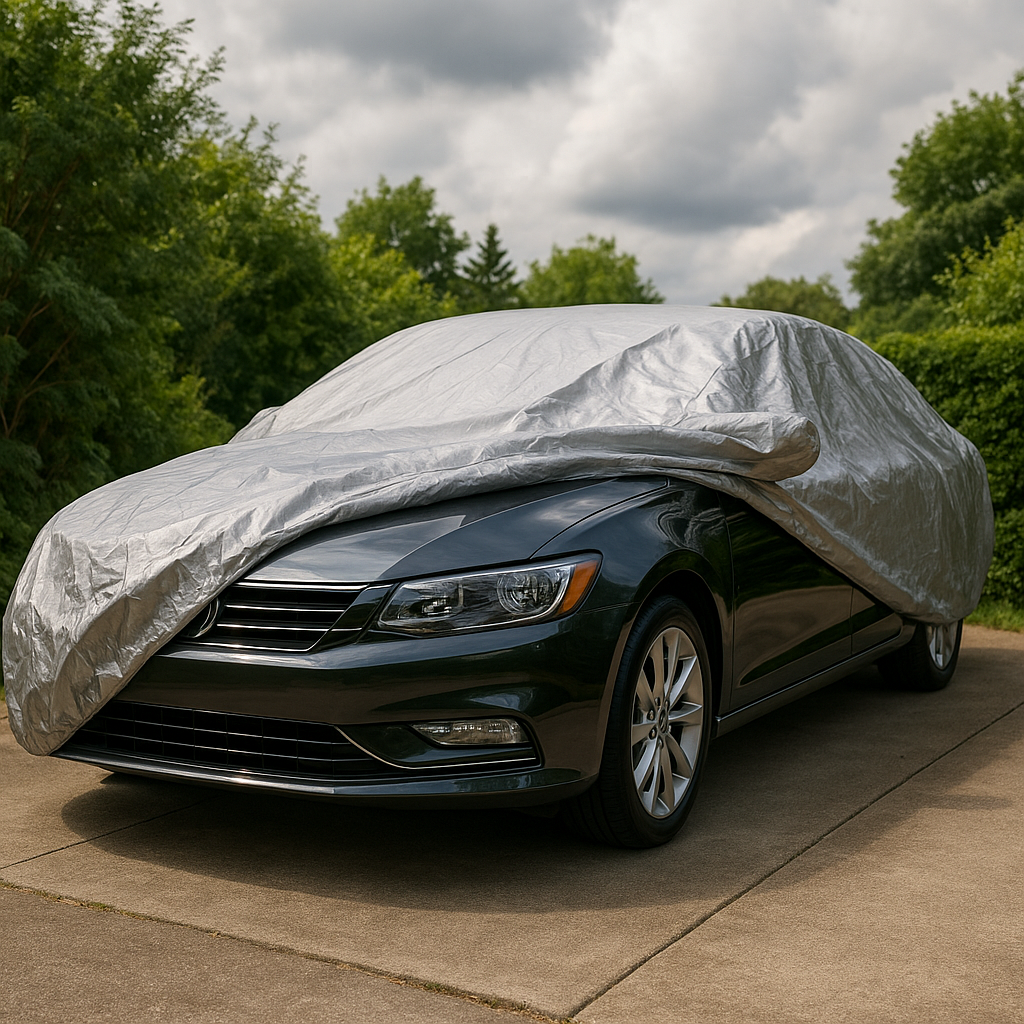
4. Use a Car Cover
When parked outside, using a breathable car cover can protect your vehicle from rain, UV rays, and debris. Ensure the cover is designed for your car's size to prevent scratches.
5. Parking Strategically
If possible, park in a garage or under a carport. This shields your vehicle from the elements. If you must park outside, try to avoid areas with overhanging trees that can drop sap or debris.
Seasonal Checks and Maintenance
Regular checks are vital to ensure your car remains in top condition. Here’s a practical checklist:
- Inspect the paint for any chips or scratches monthly.
- Check for signs of rust, particularly around wheel arches and undercarriage.
- Ensure your car is washed after exposure to road salt, particularly in winter.
Additionally, consult your owner's handbook for specific maintenance schedules and recommendations regarding paint care and protection.
When to Book a Mechanic
While many paint protection measures can be performed by yourself, certain conditions warrant professional attention:
- If you notice extensive rust or corrosion.
- If there are deep scratches or dents that may require repainting.
- If your paint has lost its shine despite regular washing and waxing.
Booking a mechanic can vary in cost depending on the severity of the issue. For minor touch-ups, you might spend anywhere from £50 to £150, while full resprays can run into thousands of pounds. Always seek quotes from reputable garages and check for customer reviews.
Conclusion
Protecting your car's paint from weather and road salt is an ongoing commitment that pays off in the long run. By following these practical tips and staying vigilant about maintenance, you can ensure your vehicle remains in excellent condition, preserving its value and appearance. Remember, a well-maintained car not only looks good but also enhances your driving experience.
UK ownership context
Use your owner's handbook and service schedule as the starting point, then adapt the timing to UK stop-start traffic, colder months and the mileage your car actually covers.
For many drivers, the most useful benchmark is not a generic internet interval but the manufacturer schedule, recent MOT advisories and the pattern of local driving the vehicle sees each week.
Useful next steps with Motoryst
Use the tools below to turn this advice into a practical next step.
- Store and organise your service history
- Run a vehicle history check before buying
- Compare warranty cover options
- Estimate current vehicle value
Useful UK references
- DVSA and GOV.UK guidance on MOT preparation
- Check previous MOT advisories and failures
- Use the vehicle owner's handbook and manufacturer service schedule for model-specific intervals, fluids and warning-light guidance.