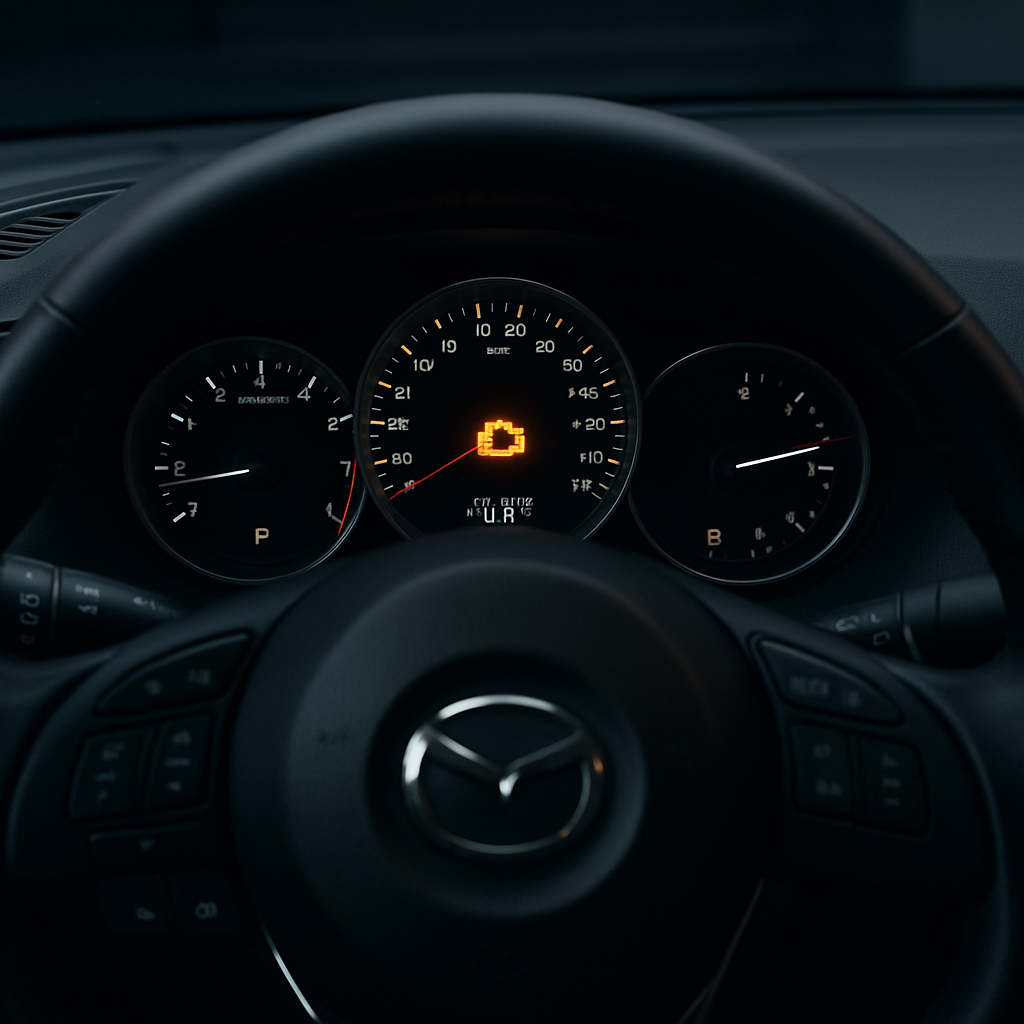
Immediate Actions to Take
Seeing your check engine light illuminate on the dashboard can be alarming, but it's essential to stay calm. This light is a signal that your vehicle's onboard diagnostics system has detected an issue. Here’s what you should do:
- Check your dashboard for any other warning lights.
- Listen for unusual sounds from the engine.
- Pay attention to any changes in vehicle performance, such as stalling or reduced power.
- Note any unusual smells, such as burning or fuel odours.
Common Causes of the Check Engine Light
The check engine light can be triggered by various issues, some of which may require immediate attention. Here are some common reasons:
- Loose or damaged fuel cap: This is one of the simplest issues to fix and can lead to fuel vapour leakage.
- Faulty oxygen sensor: This sensor measures the amount of unburned oxygen in the exhaust and can significantly affect fuel efficiency.
- Malfunctioning catalytic converter: This component reduces harmful emissions, and its failure can lead to poor engine performance.
- Defective spark plugs or wires: These ignite the fuel-air mixture in the engine and are crucial for proper operation.
UK Context: MOT and Roadworthiness
In the UK, the check engine light can have implications for your vehicle's MOT (Ministry of Transport test). If your car has a serious fault indicated by the light, it may fail the MOT, which assesses the vehicle's roadworthiness. Regular maintenance and timely repairs can help ensure that your car remains compliant with safety standards and performs optimally.
Steps to Diagnose the Problem
If the check engine light comes on, follow these steps:
- Check the fuel cap: Ensure it’s tightened properly.
- Use an OBD-II scanner: Many auto parts stores offer free diagnostic checks. This device reads the error codes generated by your vehicle’s computer.
- Consult your owner's handbook: This can provide specific information related to your vehicle's make and model.
When to Book a Mechanic
While some issues can be addressed at home, others require professional assistance. Consider booking a mechanic if:
- The check engine light is flashing: This indicates a severe issue that could cause damage to the engine.
- You notice performance issues: If your car is stalling, hesitating, or struggling to accelerate, it’s time to seek help.
- You’ve tried basic troubleshooting: If tightening the fuel cap or checking for loose wires doesn’t resolve the issue.
Cost Considerations
The cost of repairs can vary widely depending on the issue. For instance:
- A loose fuel cap might only cost a few pounds to fix.
- Replacing spark plugs can range from £100 to £300, depending on the make and model of your vehicle.
- A faulty catalytic converter replacement can be significantly more expensive, often exceeding £1,000.
Always request a detailed estimate from your mechanic before authorising any repairs. This ensures you understand the cost drivers and can budget accordingly.
Preventive Measures
To reduce the chances of the check engine light illuminating in the future, consider the following maintenance tips:
- Follow the manufacturer’s service schedule: Regular servicing can catch issues before they become serious.
- Monitor fuel quality: Using high-quality fuel can help maintain the health of your engine.
- Keep an eye on your dashboard lights: Address any warning lights promptly to prevent further damage.
Conclusion
Encountering a check engine light can be a source of anxiety for any driver. However, by staying informed and taking prompt action, you can effectively manage the situation. Always prioritise your safety and the performance of your vehicle by consulting a professional mechanic when necessary. Remember, regular maintenance is key to ensuring your car remains in top shape and ready for the road.
UK ownership context
Use your owner's handbook and service schedule as the starting point, then adapt the timing to UK stop-start traffic, colder months and the mileage your car actually covers.
For many drivers, the most useful benchmark is not a generic internet interval but the manufacturer schedule, recent MOT advisories and the pattern of local driving the vehicle sees each week.
Useful next steps with Motoryst
Use the tools below to turn this advice into a practical next step.
- Store and organise your service history
- Run a vehicle history check before buying
- Compare warranty cover options
- Estimate current vehicle value
Useful UK references
- DVSA and GOV.UK guidance on MOT preparation
- Check previous MOT advisories and failures
- Use the vehicle owner's handbook and manufacturer service schedule for model-specific intervals, fluids and warning-light guidance.