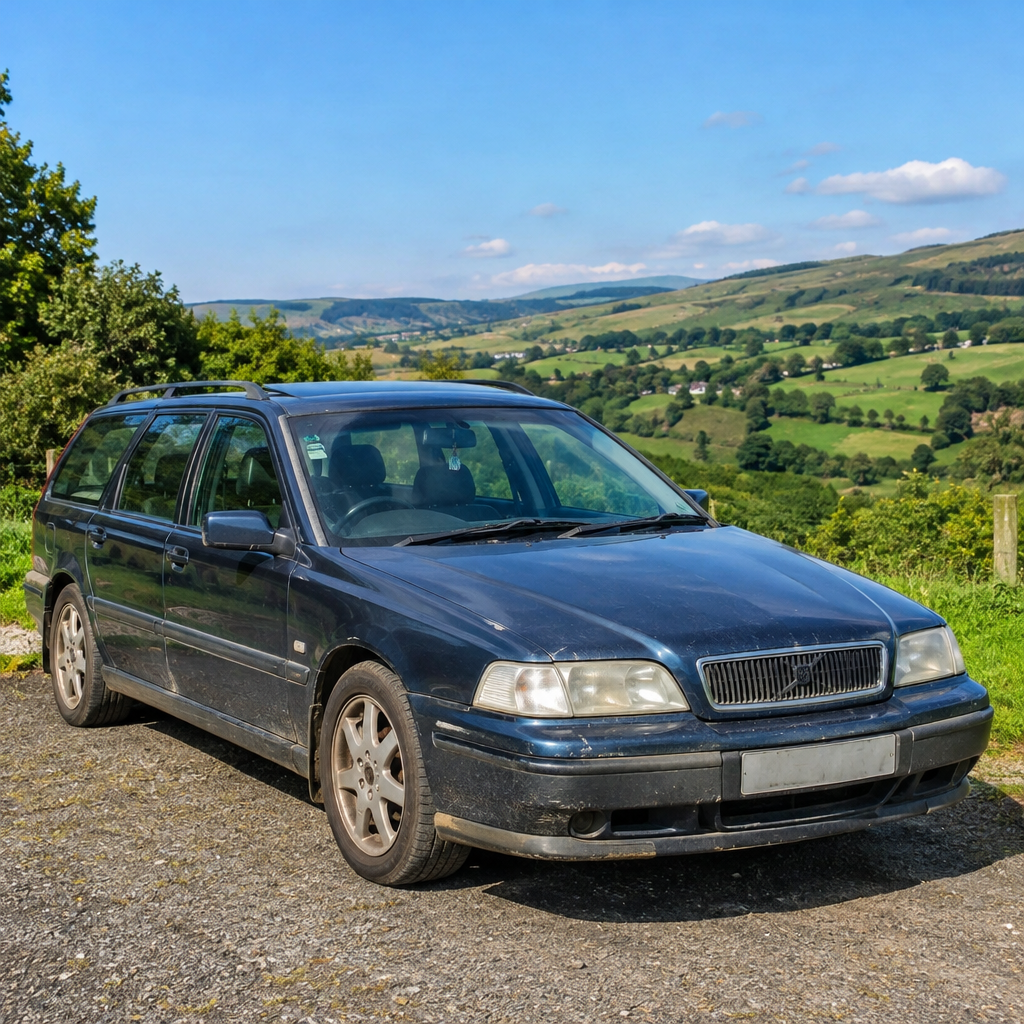
How To Care For A High-mileage Vehicle
In the UK, a vehicle is generally considered high-mileage when it surpasses 100,000 miles. Such vehicles can still provide reliable service, but they require more diligent care than their lower-mileage counterparts. Factors like the vehicle's make and model, driving conditions, and previous maintenance history play a significant role in determining its overall condition. Keeping up with the UK's MOT requirements and ensuring roadworthiness is crucial, especially for older vehicles.
High-mileage cars often face challenges such as increased wear on parts, potential oil leaks, and a higher likelihood of component failures. Therefore, regular checks and maintenance become vital in prolonging the life of your vehicle and ensuring it remains safe on the road.
Routine Maintenance Checks
Regular maintenance is key to keeping a high-mileage vehicle running smoothly. Here are some essential checks you should perform:
- Oil and Filter Changes: Change the engine oil and filter every 5,000 to 7,500 miles to ensure optimal engine performance.
- Fluid Levels: Regularly check and top up coolant, brake fluid, power steering fluid, and transmission fluid.
- Tire Condition: Inspect tires for tread depth and pressure at least once a month. Rotate them every 5,000 to 7,000 miles.
- Brake System: Check brake pads and discs for wear and replace them if they are worn down.
- Batteries: Inspect battery terminals for corrosion and ensure the battery is holding a charge, especially in colder months.
Symptoms to Watch For
Being aware of warning signs can help you address issues before they escalate. Here are common symptoms that may indicate problems in high-mileage vehicles:
- Engine Noises: Unusual sounds like knocking or ticking can indicate serious engine issues.
- Fluid Leaks: Puddles of oil or coolant under your vehicle can signal leaks that need immediate attention.
- Warning Lights: Pay attention to dashboard warning lights; they can indicate everything from low oil pressure to brake system issues.
- Decreased Performance: If your vehicle struggles to accelerate or experiences rough idling, it may need diagnostic checks.
- Excessive Smoke: Blue or black smoke from the exhaust can indicate engine problems or fuel system issues.
Seasonal Considerations
In the UK, seasonal changes can affect vehicle performance. Here’s how to prep your high-mileage vehicle for different weather conditions:
- Winter: Ensure your antifreeze is at the correct level and consider switching to winter tyres for better grip. Check the battery, as cold weather can impact its performance.
- Summer: Keep an eye on coolant levels to prevent overheating. Ensure your air conditioning system is functioning properly for comfort during warmer months.
- Rainy Seasons: Inspect wiper blades and ensure your headlights and taillights are functioning correctly for better visibility.
Servicing and MOT Requirements
In the UK, all vehicles over three years old must undergo an annual MOT test to ensure they meet road safety and environmental standards. High-mileage vehicles may require more frequent checks and servicing to pass their MOT. Regular servicing can help identify potential issues before the test, reducing the likelihood of failing due to worn components.
Refer to your vehicle's owner's handbook for specific service intervals. Generally, high-mileage cars should have a thorough inspection every 6 to 12 months, depending on usage. This will help you stay ahead of potential problems and keep ownership costs manageable.
When to Book a Mechanic
While many maintenance tasks can be performed by car owners, certain symptoms indicate it’s time to consult a professional mechanic:
- Persistent Warning Lights: If warning lights remain illuminated after checking the basics, it's wise to seek professional diagnostics.
- Severe Noise Changes: Any new or loud noises during operation should be investigated immediately to prevent further damage.
- Fluid Leaks: If you notice significant fluid loss, especially oil or coolant, contact a mechanic right away.
- Performance Issues: If your vehicle is consistently underperforming, a mechanic can conduct a comprehensive assessment.
Cost Considerations for High-Mileage Vehicle Care
The cost of maintaining a high-mileage vehicle can vary widely based on make, model, and the extent of repairs needed. Here’s a breakdown of typical costs:
- Oil Change: Expect to pay between £40 and £70, depending on the oil type and labour costs.
- Brake Pad Replacement: Costs can range from £100 to £300 per axle, depending on the vehicle.
- Diagnostic Check: A professional diagnostic can cost between £50 and £100, helping to identify underlying issues.
- MOT Test: An MOT typically costs around £54.85, but additional repairs may add to this expense.
Regular maintenance may seem costly upfront, but it can save you money in the long run by preventing more severe issues that could lead to expensive repairs or even total vehicle failure.
Conclusion
Caring for a high-mileage vehicle requires diligence and attention to detail. By following these maintenance tips and being proactive about repairs, you can extend the life of your car and ensure it remains safe and reliable on UK roads. Always consult your owner's handbook and consider professional advice when necessary to keep your vehicle in optimal condition.
UK ownership context
Use your owner's handbook and service schedule as the starting point, then adapt the timing to UK stop-start traffic, colder months and the mileage your car actually covers.
For many drivers, the most useful benchmark is not a generic internet interval but the manufacturer schedule, recent MOT advisories and the pattern of local driving the vehicle sees each week.
Useful UK references
- DVSA and GOV.UK guidance on MOT preparation
- Check previous MOT advisories and failures
- Use the vehicle owner's handbook and manufacturer service schedule for model-specific intervals, fluids and warning-light guidance.