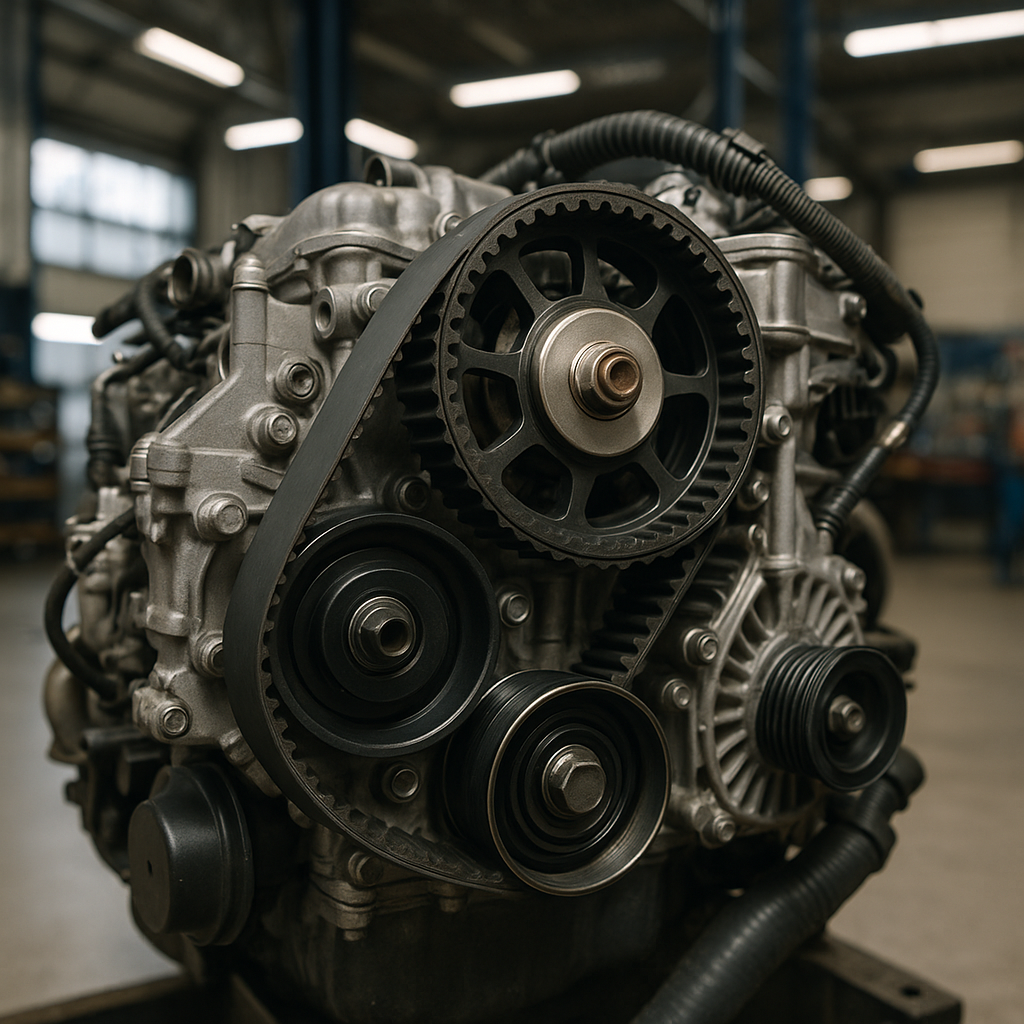
The Importance of the Timing Belt
The timing belt is a crucial component in your vehicle's engine, coordinating the rotation of the crankshaft and camshaft. This ensures that the engine's valves open and close at the correct times during each cylinder's intake and exhaust strokes. A well-maintained timing belt is essential for the smooth operation of your car and can prevent severe engine damage.
When to Replace Your Timing Belt
Most manufacturers recommend replacing the timing belt every 60,000 to 100,000 miles, but this can vary based on the make and model of your vehicle. Always refer to your owner's handbook for the specific recommendations for your car.
In addition to mileage, consider the following factors:
- Age of the Belt: Timing belts can degrade over time, even if the mileage is low. If your car is over five years old, it might be worth checking.
- Driving Conditions: Frequent short trips, stop-and-go traffic, and extreme weather conditions can put additional strain on the timing belt.
Symptoms of a Worn Timing Belt
It’s essential to be aware of the signs that may indicate your timing belt is nearing failure. Look out for:
- Engine Misfires: If your engine starts misfiring, it could be due to the timing belt slipping.
- Unusual Noises: A ticking or rattling noise coming from the engine could indicate that the timing belt is worn or loose.
- Oil Leaks: If you notice oil leaking from the front of the engine, it could be a sign that the timing belt cover has failed.
UK Context: MOT and Roadworthiness
In the UK, your car must pass an MOT test each year once it is three years old. While the timing belt itself is not checked during the MOT, a worn or failed timing belt can lead to engine failure, which could affect your vehicle's overall roadworthiness. Regular maintenance, including timely timing belt replacement, is essential to avoid costly repairs and ensure your vehicle remains safe to drive.
What to Check This Week
To ensure your timing belt is in good condition, consider performing the following checks:
- Visual Inspection: Check for any visible cracks or wear on the timing belt if accessible.
- Listen for Noises: Start your engine and listen for any unusual sounds that could indicate a problem.
- Check for Leaks: Look for any signs of oil leaking from the engine area.
When to Book a Mechanic
If you notice any of the symptoms mentioned above or if your vehicle is approaching the recommended mileage for timing belt replacement, it’s time to book an appointment with a mechanic. Here are some additional reasons to consult a professional:
- If your car is experiencing engine misfires or unusual noises.
- If you are unsure about the timing belt’s condition or when it was last replaced.
Most garages in the UK will charge between £300 to £600 for timing belt replacement, depending on the make and model of your vehicle and whether additional components such as the water pump need to be changed at the same time.
Cost Drivers for Timing Belt Replacement
Several factors can influence the cost of timing belt replacement:
- Vehicle Make and Model: Luxury or performance vehicles often require more expensive parts and labour.
- Location: Labour rates can vary significantly across different regions in the UK.
- Additional Repairs: If other components, such as the water pump or tensioners, also need replacing, this will increase the overall cost.
Conclusion
Regular maintenance of your timing belt is essential for the longevity and performance of your vehicle. By staying informed about the recommended replacement intervals and being alert to any symptoms of wear, you can prevent costly repairs and ensure your car remains safe and reliable on the road. Always consult your owner's handbook and consider professional advice for the best care of your vehicle.
UK ownership context
Use your owner's handbook and service schedule as the starting point, then adapt the timing to UK stop-start traffic, colder months and the mileage your car actually covers.
For many drivers, the most useful benchmark is not a generic internet interval but the manufacturer schedule, recent MOT advisories and the pattern of local driving the vehicle sees each week.
Useful next steps with Motoryst
Use the tools below to turn this advice into a practical next step.
- Store and organise your service history
- Run a vehicle history check before buying
- Compare warranty cover options
- Estimate current vehicle value
Useful UK references
- DVSA and GOV.UK guidance on MOT preparation
- Check previous MOT advisories and failures
- Use the vehicle owner's handbook and manufacturer service schedule for model-specific intervals, fluids and warning-light guidance.