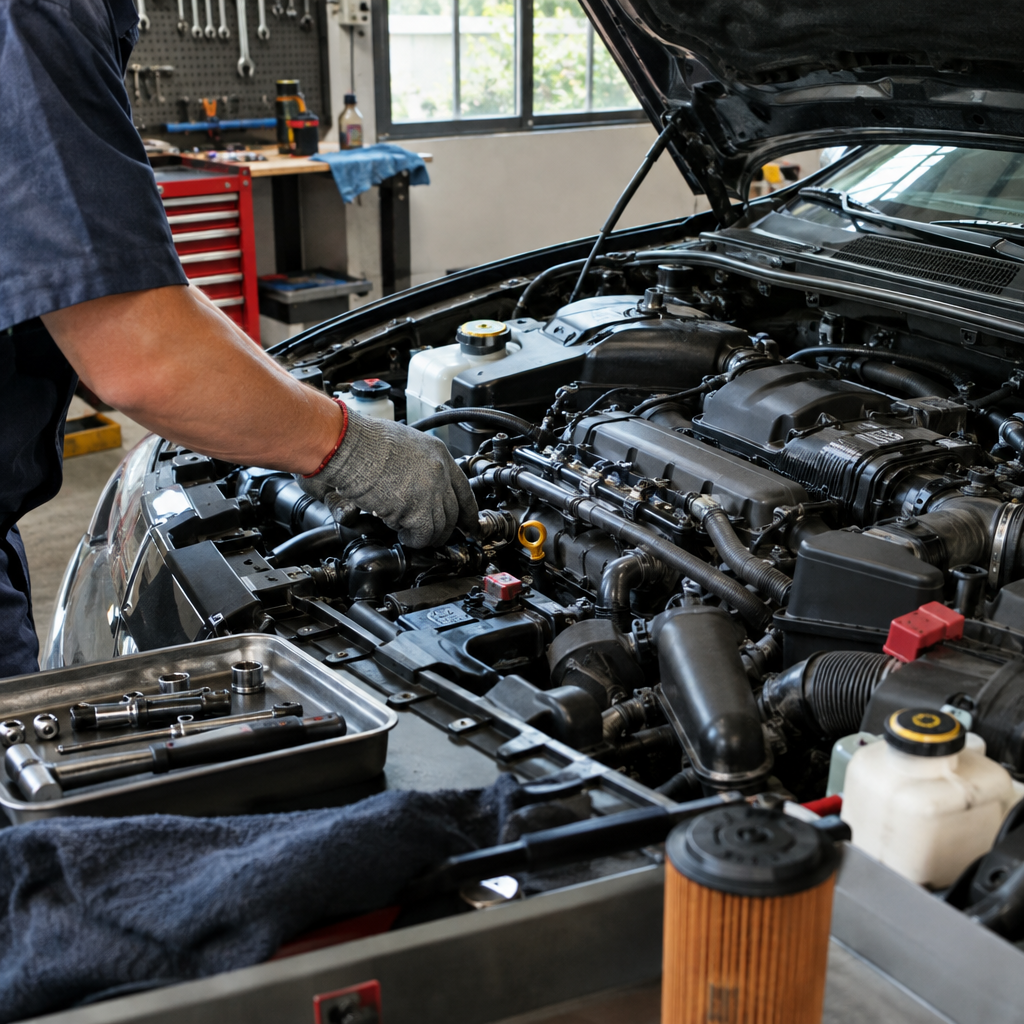
Creating Your Monthly Car Maintenance Routine
Maintaining your vehicle doesn't have to be overwhelming. By establishing a practical monthly car maintenance routine, you can ensure your car remains roadworthy and reliable while potentially saving on costly repairs in the long run. This guide will walk you through essential checks, symptoms to watch for, and actions to take each month.
The Importance of Regular Maintenance
In the UK, regular vehicle maintenance is crucial not only for ensuring safety but also for compliance with the Ministry of Transport (MOT) regulations. A well-maintained car is less likely to fail its MOT test, which is required annually for vehicles over three years old. Regular checks can also improve fuel efficiency, prolong the life of your vehicle, and reduce overall ownership costs.
Monthly Maintenance Checklist
Here’s a practical checklist to follow each month:
- Fluid Levels: Check engine oil, coolant, brake fluid, power steering fluid, and windshield washer fluid.
- Tires: Inspect for wear and tear, check pressure, and ensure they are aligned properly.
- Battery: Look for corrosion on terminals and ensure the battery is securely mounted.
- Lights: Test all exterior lights including headlights, brake lights, and indicators.
- Wipers: Check wiper blades for wear and replace if necessary.
- Belts and Hoses: Inspect for cracks, fraying, or leaks.
Fluid Level Checks
Regularly checking your car's fluid levels is essential. Low fluid levels can lead to severe engine damage or safety issues. Here’s how to check:
- Engine Oil: Ensure the oil is at the correct level using the dipstick. Oil should be amber and free of debris.
- Coolant: Check the coolant reservoir for proper levels. If low, top up with the recommended type of coolant as per your owner’s handbook.
Tire Maintenance
Tires are your car's only contact with the road, making their upkeep vital. Each month, check:
- The tread depth (minimum legal limit is 1.6mm).
- The pressure (refer to your owner’s handbook for the correct PSI).
Symptoms of tire issues include uneven wear or vibrations while driving. If you notice these, consider visiting a mechanic for a professional alignment or replacement.
Battery Care
Battery problems are a common cause of breakdowns. Inspect terminals for corrosion and ensure connections are tight. If your battery is over three years old, consider having it tested or replaced, especially before winter months.
Lighting and Visibility
Functioning lights are crucial for safety. Each month, ensure all lights are operational. If a bulb is out, replace it promptly to avoid potential fines or accidents. Check your wiper blades for wear and replace them if they leave streaks on your windshield.
Inspecting Belts and Hoses
Belts and hoses are essential for your engine’s performance. Look for:
- Cracks or fraying on belts.
- Leaks or bulges in hoses.
If you observe any issues, consult a mechanic immediately to prevent engine damage.
When to Book a Mechanic
While a monthly maintenance routine can catch many issues, some symptoms require professional intervention. Book a mechanic if you notice:
- Unusual noises from the engine.
- Warning lights on the dashboard.
- Persistent fluid leaks.
- Difficulty starting the vehicle.
Costs for repairs can vary significantly based on the issue and the garage's location. Common repairs, such as brake pad replacements, can range from £100 to £300, while more complex issues like engine repairs can escalate into the thousands.
Seasonal Considerations
In the UK, it's essential to adapt your maintenance routine to seasonal conditions. For example, in winter, check your antifreeze levels and ensure your battery is in good condition. In summer, focus on the cooling system and tire pressure, which can fluctuate with temperature changes.
By following this monthly car maintenance routine, you can keep your vehicle in top condition, ensuring safety and reliability on the road. Always refer to your owner’s handbook for specific maintenance schedules and fluid types, and consult the DVSA for guidance on MOT standards.
UK ownership context
Use your owner's handbook and service schedule as the starting point, then adapt the timing to UK stop-start traffic, colder months and the mileage your car actually covers.
For many drivers, the most useful benchmark is not a generic internet interval but the manufacturer schedule, recent MOT advisories and the pattern of local driving the vehicle sees each week.
Useful UK references
- DVSA and GOV.UK guidance on MOT preparation
- Check previous MOT advisories and failures
- Use the vehicle owner's handbook and manufacturer service schedule for model-specific intervals, fluids and warning-light guidance.