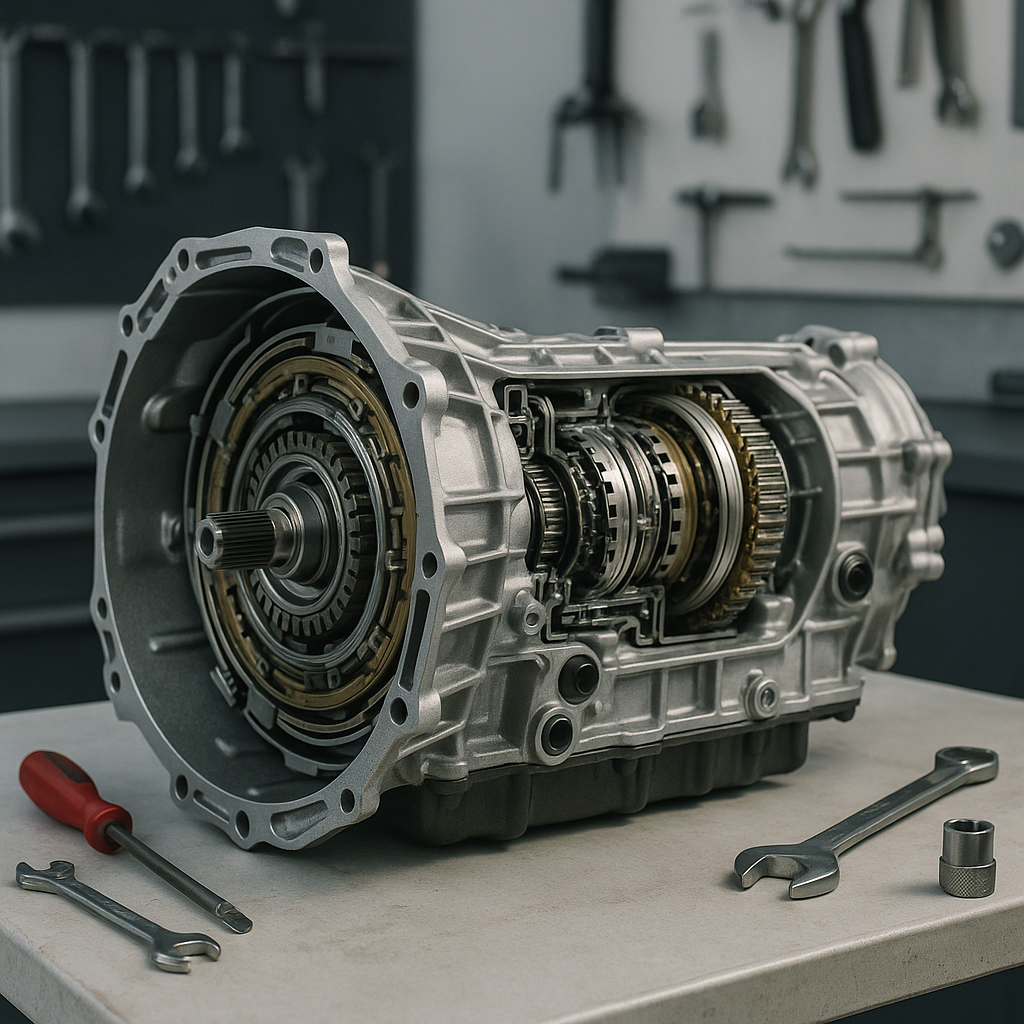
How To Reduce Wear On Your Automatic Transmission
Your automatic transmission is a complex piece of machinery that plays a critical role in your vehicle's performance. It allows for smooth gear changes without the need for manual intervention, enhancing driving comfort and efficiency. However, like any mechanical system, it requires proper care to prevent wear and prolong its lifespan.
In the UK, maintaining your vehicle's automatic transmission is not just about performance; it's also vital for passing the annual MOT test. A faulty transmission can lead to significant safety issues and costly repairs, making it essential to stay on top of its condition.
Common Signs of Transmission Wear
Being proactive about your automatic transmission can save you time and money. Here are some common symptoms of wear that you should look out for:
- Delayed engagement when shifting from park to drive or reverse.
- Unusual noises, such as grinding or whining, when the vehicle is in gear.
- Fluid leaks under the vehicle, particularly red or brown fluid.
- Slipping gears, where the transmission unexpectedly changes gears or loses power.
- Warning lights on the dashboard related to transmission issues.
Regular Checks and Maintenance
To keep your automatic transmission in top shape, consider implementing the following checks and maintenance tasks:
- Check Transmission Fluid Levels: Regularly check the transmission fluid level using the dipstick. Low fluid levels can lead to overheating and increased wear.
- Inspect Fluid Condition: The fluid should be a bright red colour and free of debris. If it appears dark or has a burnt smell, it’s time for a change.
- Change the Transmission Fluid: Follow your vehicle manufacturer’s schedule for fluid changes, typically every 30,000 to 60,000 miles. This can help prevent sludge buildup and maintain optimal performance.
- Monitor Driving Habits: Smooth acceleration and deceleration can reduce stress on the transmission. Avoid rapid starts and stops whenever possible.
- Use the Correct Fluid: Always refer to your owner’s handbook to ensure you’re using the recommended transmission fluid type. Using the wrong fluid can lead to premature wear.
Driving Conditions and Their Impact
The UK experiences a variety of seasonal conditions that can affect your vehicle's transmission. For example, winter driving often requires more gear changes due to slippery roads, while stop-and-go traffic in urban areas can increase wear. To mitigate these effects:
- Limit short trips where the engine doesn’t reach optimal operating temperature.
- Ensure your vehicle is properly warmed up before driving in cold conditions.
- Be cautious on hilly terrains, as frequent gear changes can add stress to the transmission.
When to Book a Mechanic
While regular maintenance can go a long way, there are times when you should seek professional help. Here are some indicators that it’s time to book a mechanic:
- Persistent warning lights related to the transmission on your dashboard.
- Continued slipping or delayed engagement despite regular checks.
- Unusual noises that worsen over time.
- Fluid leaks that you cannot identify or fix.
In the UK, the cost of a transmission service can vary widely depending on the make and model of your vehicle, as well as the specific services required. Basic fluid changes may start around £100, while more comprehensive services, including filter replacement and system flushing, can reach £300 or more. Always obtain a detailed quote before proceeding with repairs.
Conclusion
Reducing wear on your automatic transmission involves a combination of regular maintenance, awareness of symptoms, and understanding how driving conditions can affect performance. By taking these proactive steps, you can enhance the longevity of your transmission and avoid costly repairs down the line. Always consult your owner’s handbook and consider professional advice when necessary to ensure your vehicle remains in optimal condition.
UK ownership context
Use your owner's handbook and service schedule as the starting point, then adapt the timing to UK stop-start traffic, colder months and the mileage your car actually covers.
For many drivers, the most useful benchmark is not a generic internet interval but the manufacturer schedule, recent MOT advisories and the pattern of local driving the vehicle sees each week.
Useful next steps with Motoryst
Use the tools below to turn this advice into a practical next step.
- Store and organise your service history
- Run a vehicle history check before buying
- Compare warranty cover options
- Estimate current vehicle value
Useful UK references
- DVSA and GOV.UK guidance on MOT preparation
- Check previous MOT advisories and failures
- Use the vehicle owner's handbook and manufacturer service schedule for model-specific intervals, fluids and warning-light guidance.