Immediate Steps to Take
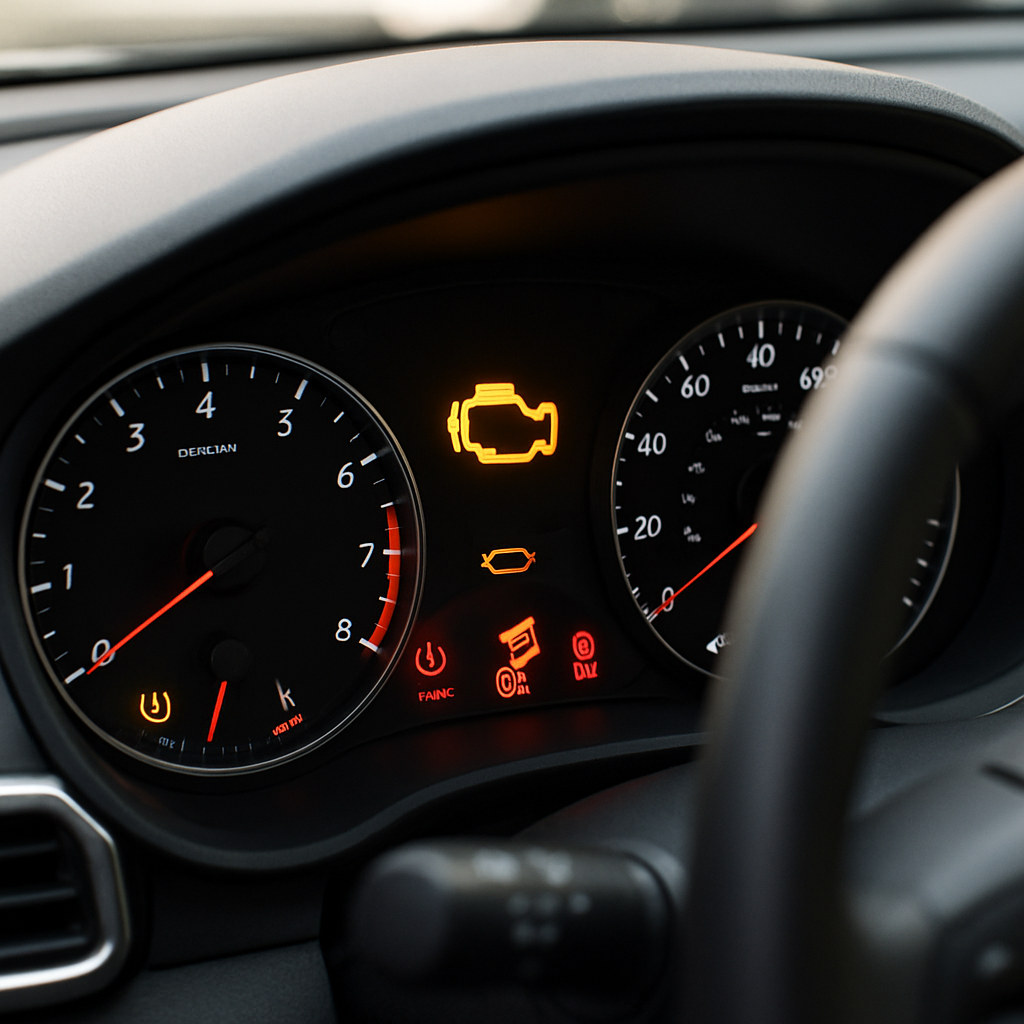
Seeing the check engine light illuminate on your dashboard can be alarming, but it doesn’t always mean immediate panic. Here are practical steps you can take as soon as you notice the light:
- Stay calm and assess the situation.
- Check for any unusual sounds or smells coming from the engine.
- Look for any other warning lights that may indicate a more serious issue.
- Ensure your fuel cap is properly secured, as a loose cap can trigger the light.
Understanding the Check Engine Light
The check engine light is part of your vehicle's onboard diagnostics system. It can indicate a range of issues, from minor to serious. In the UK, this light is particularly important due to its implications for roadworthiness and compliance with the MOT (Ministry of Transport) test. Regular maintenance and timely responses to warning lights can help you avoid costly repairs and ensure your vehicle remains roadworthy.
Common Symptoms to Look For
When the check engine light comes on, you may notice additional symptoms that can help you diagnose the problem:
- Decreased fuel efficiency.
- Rough idling or stalling.
- Unusual noises from the engine.
- Increased emissions or a noticeable smell of fuel.
- Difficulty accelerating or maintaining speed.
Paying attention to these symptoms can help you determine whether the issue is something you can address yourself or if it requires professional attention.
Simple Checks You Can Perform
Before heading to a mechanic, there are a few checks you can perform yourself:
- Inspect the Fuel Cap: Ensure that the fuel cap is tightly secured. A loose or damaged cap can cause fuel vapour leaks, triggering the check engine light.
- Check the Battery: A weak battery can sometimes cause electrical issues that trigger warning lights. Look for signs of corrosion around battery terminals.
- Examine the Engine Oil: Low oil levels can lead to engine problems. Check the oil level and condition using the dipstick.
- Look for Leaks: Check underneath your vehicle for any fluid leaks that could indicate a problem.
When to Book a Mechanic
If the check engine light remains on after your initial checks, or if you notice any alarming symptoms, it’s time to consult a professional. Here are some signs that you should book an appointment:
- The light is flashing instead of remaining steady.
- You experience significant changes in vehicle performance.
- Other warning lights are illuminated.
- Unusual sounds or smells persist.
In the UK, a diagnostic check can range from £50 to £120, depending on the garage and the complexity of the issue. Always request a quote before proceeding with repairs to avoid unexpected costs.
Potential Causes of the Check Engine Light
Understanding what might cause the check engine light to activate can help you prepare for your visit to the mechanic:
- Faulty oxygen sensor.
- Malfunctioning mass airflow sensor.
- Defective spark plugs or ignition coils.
- Issues with the catalytic converter.
- Problems with the exhaust gas recirculation (EGR) system.
Each of these issues can vary significantly in terms of repair costs and time, depending on the make and model of your vehicle.
Long-term Considerations
Regular maintenance is key to preventing issues that can trigger the check engine light. Follow your vehicle's service schedule as outlined in the owner's handbook, and consider the following:
- Schedule routine inspections, especially before the MOT test.
- Stay on top of oil changes and filter replacements.
- Monitor your vehicle’s performance and address any minor issues promptly.
By adhering to these practices, you can reduce the likelihood of unexpected check engine light activations and keep your vehicle running smoothly.
Final Thoughts
While the check engine light can signal a range of problems, not all of them are critical. By staying informed and taking immediate, practical steps, you can manage the situation effectively. Remember, if in doubt, it’s always best to consult with a qualified mechanic who can diagnose the issue accurately. Maintaining your vehicle not only ensures safety but also keeps ownership costs manageable in the long run.
UK ownership context
Use your owner's handbook and service schedule as the starting point, then adapt the timing to UK stop-start traffic, colder months and the mileage your car actually covers.
For many drivers, the most useful benchmark is not a generic internet interval but the manufacturer schedule, recent MOT advisories and the pattern of local driving the vehicle sees each week.
Useful next steps with Motoryst
Use the tools below to turn this advice into a practical next step.
- Store and organise your service history
- Run a vehicle history check before buying
- Compare warranty cover options
- Estimate current vehicle value
Useful UK references
- DVSA and GOV.UK guidance on MOT preparation
- Check previous MOT advisories and failures
- Use the vehicle owner's handbook and manufacturer service schedule for model-specific intervals, fluids and warning-light guidance.