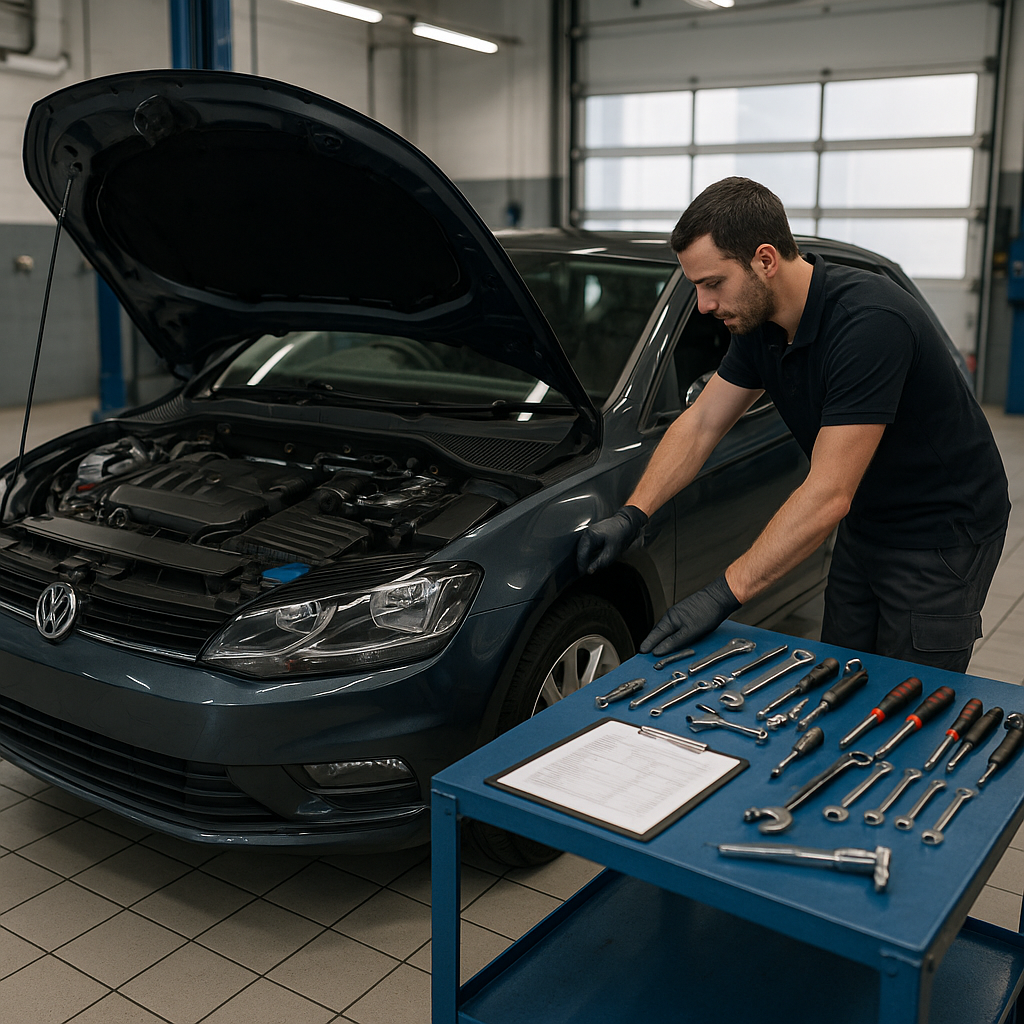
The Importance of Regular Servicing
In the UK, maintaining your vehicle through regular servicing is crucial not just for its performance and safety, but also for preserving its resale value. A well-serviced car demonstrates to potential buyers that it has been cared for, which can significantly influence their purchasing decision.
Factors such as MOT compliance, roadworthiness, and seasonal driving conditions all play a role in how your vehicle is perceived on the market. Regular servicing ensures your car meets the necessary standards, making it more attractive to buyers.
How Servicing Affects Resale Value
When it comes time to sell your car, its condition and service history will be scrutinised by prospective buyers. A comprehensive service history can provide reassurance that the vehicle has been well-maintained, potentially leading to a higher resale price. Here’s how regular servicing helps:
- Improved Reliability: A serviced vehicle is less likely to suffer from breakdowns, which can deter buyers.
- Enhanced Appearance: Regular maintenance can keep your car looking its best, from the exterior to the engine bay.
- Better Performance: A car that runs smoothly and efficiently is more appealing and commands a better price.
- Documented History: A complete service log can justify a higher asking price compared to similar models with poor maintenance records.
Specific Checks to Perform
As a UK driver, you can take several steps this week to ensure your car is in good condition. Here are some specific checks to consider:
- Oil Level: Check the oil level using the dipstick and top up if necessary. Regular oil changes are essential for engine health.
- Tire Condition: Inspect tires for tread depth and uneven wear. Ensure they are inflated to the recommended pressure.
- Brake Functionality: Test brakes for responsiveness; listen for any unusual noises.
- Fluid Levels: Check coolant, brake fluid, and windshield washer fluid levels.
These simple checks can prevent larger issues down the line and demonstrate to potential buyers that you’re a responsible owner.
Understanding Service Intervals
Most manufacturers provide service schedules in the owner’s handbook that outline when specific maintenance tasks should be performed. These intervals can vary based on mileage or time, whichever comes first. Common service intervals include:
- Annual Service: Recommended every 12 months or 10,000 to 15,000 miles, depending on the vehicle.
- Interim Service: Typically performed every six months for high-mileage drivers.
- Major Service: Usually every two years, including a more comprehensive inspection and replacement of key components.
Sticking to these schedules not only keeps your vehicle running efficiently but also serves as proof of care when selling.
Seasonal Considerations
In the UK, seasonal changes can impact your vehicle's performance and longevity. Regular servicing can help prepare your car for different weather conditions:
- Winter: Ensure that your battery is in good condition, tyres are suitable for winter driving, and antifreeze levels are adequate.
- Summer: Check the air conditioning system, coolant levels, and ensure that your wiper blades are functioning properly for summer showers.
By preparing your car for seasonal changes, you can avoid costly repairs and enhance its resale value.
When to Book a Mechanic
It’s essential to know when to consult a professional mechanic. If you notice any of the following symptoms, it’s time to book a service:
- Unusual noises from the engine or brakes.
- Warning lights on the dashboard, particularly the check engine light.
- Decreased fuel efficiency or performance issues.
- Visible leaks or fluid puddles underneath the vehicle.
Addressing these issues promptly can prevent more extensive damage and help maintain your car’s value.
Cost Considerations for Servicing
While the cost of servicing can vary widely based on the make and model of your vehicle, as well as the type of service performed, here are some general cost drivers:
- Type of Service: An interim service is typically less expensive than a full major service.
- Parts Replacement: Costs can increase if parts such as brake pads or filters need replacing.
- Labour Rates: Different garages may charge varying rates for labour, so it’s wise to shop around.
On average, you might expect to pay between £100 to £300 for a standard service, but always consult your owner’s handbook and local garages for specific pricing.
Conclusion
Regular servicing is an investment in your vehicle that pays off when it comes time to sell. By staying on top of maintenance, you not only ensure safety and reliability but also protect your car’s resale value. Remember, a well-documented service history can make all the difference in achieving a higher price when selling your vehicle.
UK ownership context
Use your owner's handbook and service schedule as the starting point, then adapt the timing to UK stop-start traffic, colder months and the mileage your car actually covers.
For many drivers, the most useful benchmark is not a generic internet interval but the manufacturer schedule, recent MOT advisories and the pattern of local driving the vehicle sees each week.
Useful next steps with Motoryst
Use the tools below to turn this advice into a practical next step.
- Review high-level ownership signals with Car Score
- Store and organise your service history
- Run a vehicle history check before buying
- Compare warranty cover options
Useful UK references
- DVSA and GOV.UK guidance on MOT preparation
- Check previous MOT advisories and failures
- Use the vehicle owner's handbook and manufacturer service schedule for model-specific intervals, fluids and warning-light guidance.