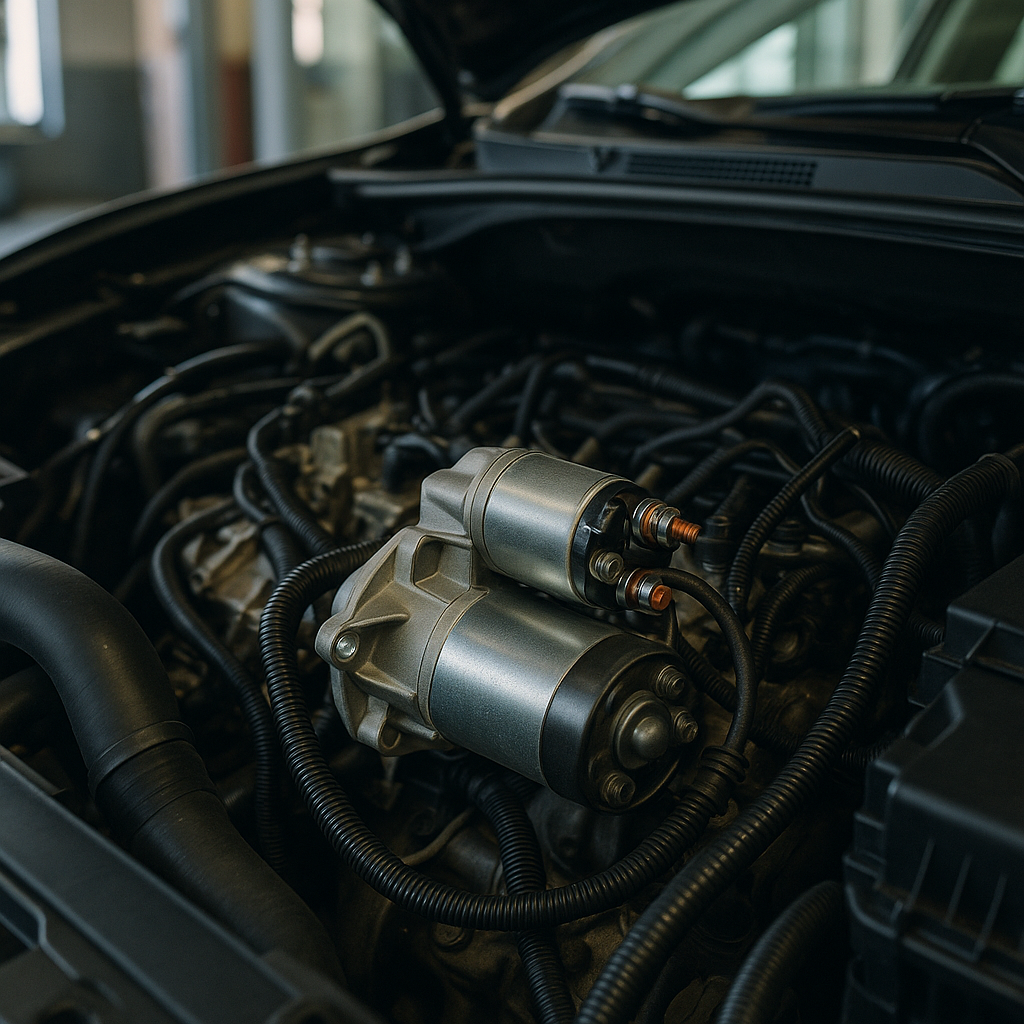
How To Diagnose Common Starter Motor Problems
The starter motor is a critical component of your vehicle's electrical system, responsible for initiating the engine's operation. A malfunctioning starter can leave you stranded, making it essential to diagnose any issues promptly. This guide will help you identify common starter motor problems, their symptoms, and potential solutions.
Common Symptoms of Starter Motor Issues
Before diving into diagnostics, it’s crucial to recognise the symptoms that indicate a starter motor problem:
- Engine Won't Start: The most evident sign; turning the key results in silence.
- Clicking Noise: A single click or a series of rapid clicks when you turn the ignition.
- Intermittent Starting: The engine starts sometimes but fails on other occasions.
- Dim Dashboard Lights: Lights may dim when attempting to start the vehicle.
- Burning Smell: An unusual burning odour can indicate overheating components.
Initial Checks Before Diagnosing
Before concluding that the starter motor is at fault, perform these initial checks:
- Battery Condition: Ensure the battery is fully charged. A weak battery can mimic starter motor issues.
- Battery Connections: Check for corrosion or loose connections at the battery terminals.
- Ignition Switch: Ensure the key turns smoothly and the ignition switch functions correctly.
Step-by-Step Diagnostic Process
If the initial checks don’t resolve the issue, follow these diagnostic steps:
1. Listen for Noises
When you turn the key, listen carefully. A clicking sound indicates the starter solenoid may be engaging but not turning the motor. If there's no sound, the starter may not be receiving power.
2. Check Voltage at the Starter
Using a multimeter, check the voltage at the starter motor. With the ignition on, you should see around 12 volts. If not, trace back to the battery and ignition switch.
3. Inspect Starter Connections
Ensure that all connections to the starter motor are tight and free from corrosion. A poor connection can prevent the starter from functioning properly.
4. Test the Starter Motor
If all connections are good, you may need to remove the starter for testing. Bench testing at a local garage can confirm whether the starter is faulty.
5. Consider the Relay and Fuses
Check the starter relay and fuses in your vehicle’s fuse box. A blown fuse or faulty relay can disrupt the power supply to the starter.
When to Book a Mechanic
If you’ve completed these steps and the problem persists, it’s time to consult a professional mechanic. Signs that professional help is needed include:
- Persistent clicking noise without engine turnover.
- Difficulty in starting despite a charged battery.
- Visible damage to the starter motor or wiring.
Booking a mechanic is advisable as they have the tools and expertise to diagnose complex issues that may not be apparent through basic checks.
Cost Considerations
The cost of repairing or replacing a starter motor in the UK can vary significantly based on several factors:
- Parts Cost: A new starter motor typically ranges from £100 to £300, depending on the make and model of your vehicle.
- Labour Charges: Labour costs can vary, with rates between £50 to £100 per hour at most garages.
- Diagnostic Fees: Some garages may charge a diagnostic fee, usually between £30 and £60, to identify the issue.
Always consult your vehicle’s owner’s handbook for specific replacement intervals and recommended parts, and consider the DVSA guidelines for roadworthiness to ensure compliance during your MOT.
Seasonal Considerations
In the UK, seasonal changes can impact your starter motor's performance. Cold weather can affect battery efficiency, leading to starting issues. Regular maintenance, including battery checks and ensuring clean connections, can prevent unexpected failures during winter months.
Conclusion
Diagnosing starter motor issues can save you time and money in the long run. By following these steps, you can identify whether the problem lies with the starter motor itself or if other components are at fault. Regular vehicle maintenance and timely repairs will help ensure your car remains roadworthy and reliable.
UK ownership context
If this issue affects visibility, braking, tyres, emissions or warning lights, treat it as a roadworthiness item and sort it before an MOT or any longer journey.
For many drivers, the most useful benchmark is not a generic internet interval but the manufacturer schedule, recent MOT advisories and the pattern of local driving the vehicle sees each week.
Useful next steps with Motoryst
Use the tools below to turn this advice into a practical next step.
- Check compliance and road-use related details
- Store and organise your service history
- Run a vehicle history check before buying
- Compare warranty cover options
Useful UK references
- DVSA and GOV.UK guidance on MOT preparation
- Check previous MOT advisories and failures
- Use the vehicle owner's handbook and manufacturer service schedule for model-specific intervals, fluids and warning-light guidance.