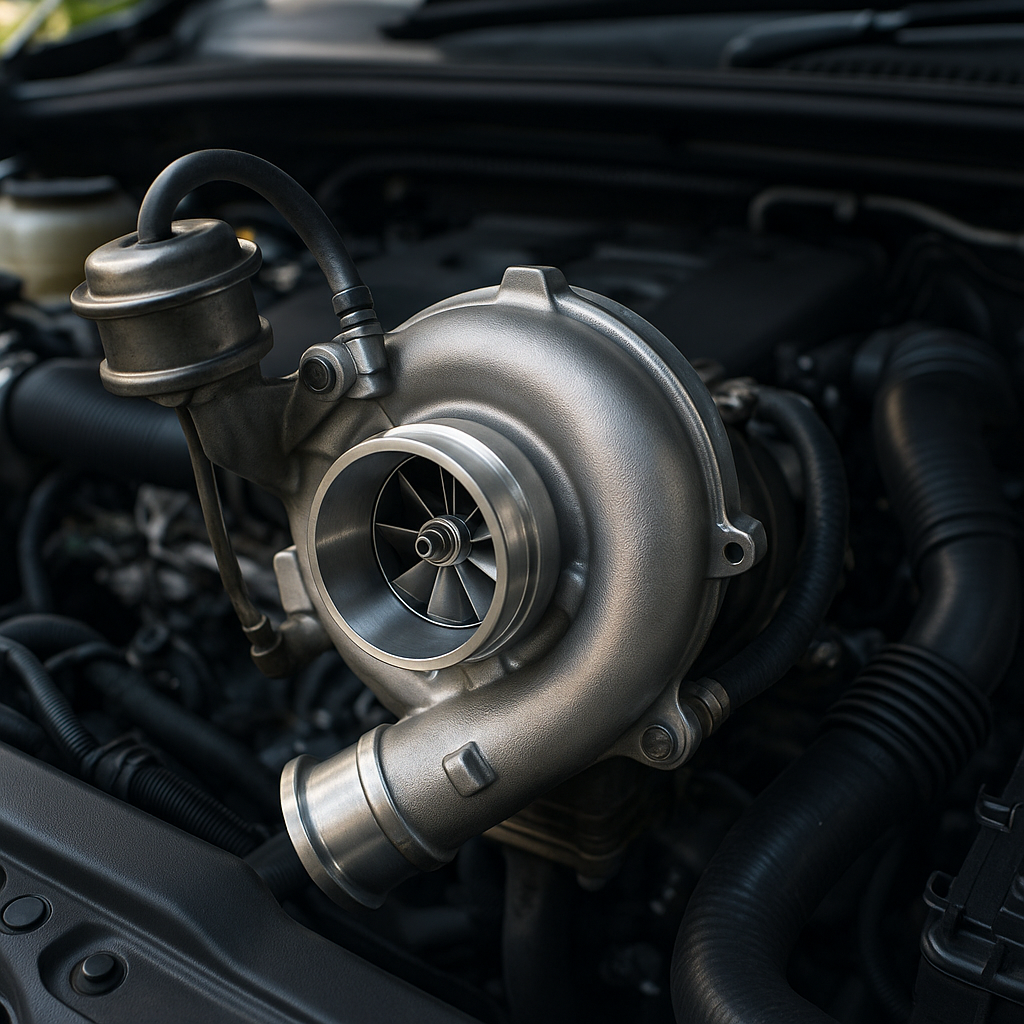
How To Identify Common Turbocharger Warning Signs
In the world of modern vehicles, turbochargers play a crucial role in enhancing engine performance and fuel efficiency. By forcing more air into the combustion chamber, they help engines produce more power without increasing size. However, like any component, turbochargers can develop issues over time. Recognising the warning signs early can save you from costly repairs and ensure your vehicle remains roadworthy, especially in light of the UK's stringent MOT regulations.
Common Turbocharger Warning Signs
Here are some key symptoms that may indicate your turbocharger is in distress:
- Unusual Noises: Whining, grinding, or hissing sounds can indicate bearing failure or issues with the turbo's internal components.
- Loss of Power: A noticeable decrease in acceleration or overall engine performance may be a sign that the turbo is not functioning properly.
- Excessive Exhaust Smoke: Blue or black smoke from the exhaust can signal oil leaks or fuel issues related to the turbocharger.
- Check Engine Light: If this warning light illuminates, it could be due to a fault in the turbocharger or related systems.
Seasonal Considerations and Turbocharger Care
In the UK, weather conditions can greatly impact vehicle performance. During colder months, turbochargers may be more susceptible to issues due to condensation and lower temperatures affecting oil viscosity. Regular checks and maintenance are essential, especially before winter. Consider the following:
- Winter Ready: Ensure your vehicle is serviced before the winter season, focusing on oil quality and levels.
- MOT Compliance: If your vehicle fails to meet emission standards due to turbocharger issues, it could lead to an MOT failure. Always refer to your owner's handbook for specific maintenance schedules.
Practical Checks You Can Do
Here’s a list of practical checks you can perform to identify potential turbocharger issues:
- Listen for Noises: Start your engine and listen for any unusual noises coming from the turbo area.
- Check for Smoke: Observe the exhaust while the engine is running. If you see smoke, take note of its colour.
- Monitor Performance: Pay attention to how your vehicle accelerates. Any noticeable lag could indicate turbo issues.
- Inspect Oil Levels: Regularly check your engine oil levels and quality, as low or dirty oil can harm the turbocharger.
When to Book a Mechanic
If you notice any of the above warning signs, it’s essential to act promptly. Here are some guidelines on when to book a mechanic:
- If you hear abnormal noises that persist after a few minutes of running.
- Should you experience a significant loss of power, especially during acceleration.
- If you see excessive smoke from the exhaust, which could indicate serious internal damage.
- When the check engine light remains illuminated after addressing other minor issues.
Booking a mechanic sooner rather than later can prevent further damage and costs. Typical labour costs for turbocharger diagnostics in the UK can range from £60 to £100 per hour, depending on the garage and location. Replacement turbochargers can cost between £500 and £1,500, depending on the make and model of your vehicle, plus additional costs for labour and parts.
Maintaining Your Turbocharger
Regular maintenance is key to extending the life of your turbocharger. Here are some maintenance tips:
- Use Quality Oil: Always use the oil recommended in your owner’s handbook. Synthetic oils often provide better protection for turbocharged engines.
- Allow for Cool Down: After driving, allow your engine to idle for a minute before turning it off. This helps cool the turbo and prevents oil coking.
- Regular Servicing: Follow your vehicle's service schedule to ensure timely oil changes and inspections.
By staying vigilant and following these tips, you can help maintain your turbocharger’s performance and reliability.
UK ownership context
Use your owner's handbook and service schedule as the starting point, then adapt the timing to UK stop-start traffic, colder months and the mileage your car actually covers.
For many drivers, the most useful benchmark is not a generic internet interval but the manufacturer schedule, recent MOT advisories and the pattern of local driving the vehicle sees each week.
Useful next steps with Motoryst
Use the tools below to turn this advice into a practical next step.
- Store and organise your service history
- Run a vehicle history check before buying
- Compare warranty cover options
- Estimate current vehicle value
Useful UK references
- DVSA and GOV.UK guidance on MOT preparation
- Check previous MOT advisories and failures
- Use the vehicle owner's handbook and manufacturer service schedule for model-specific intervals, fluids and warning-light guidance.