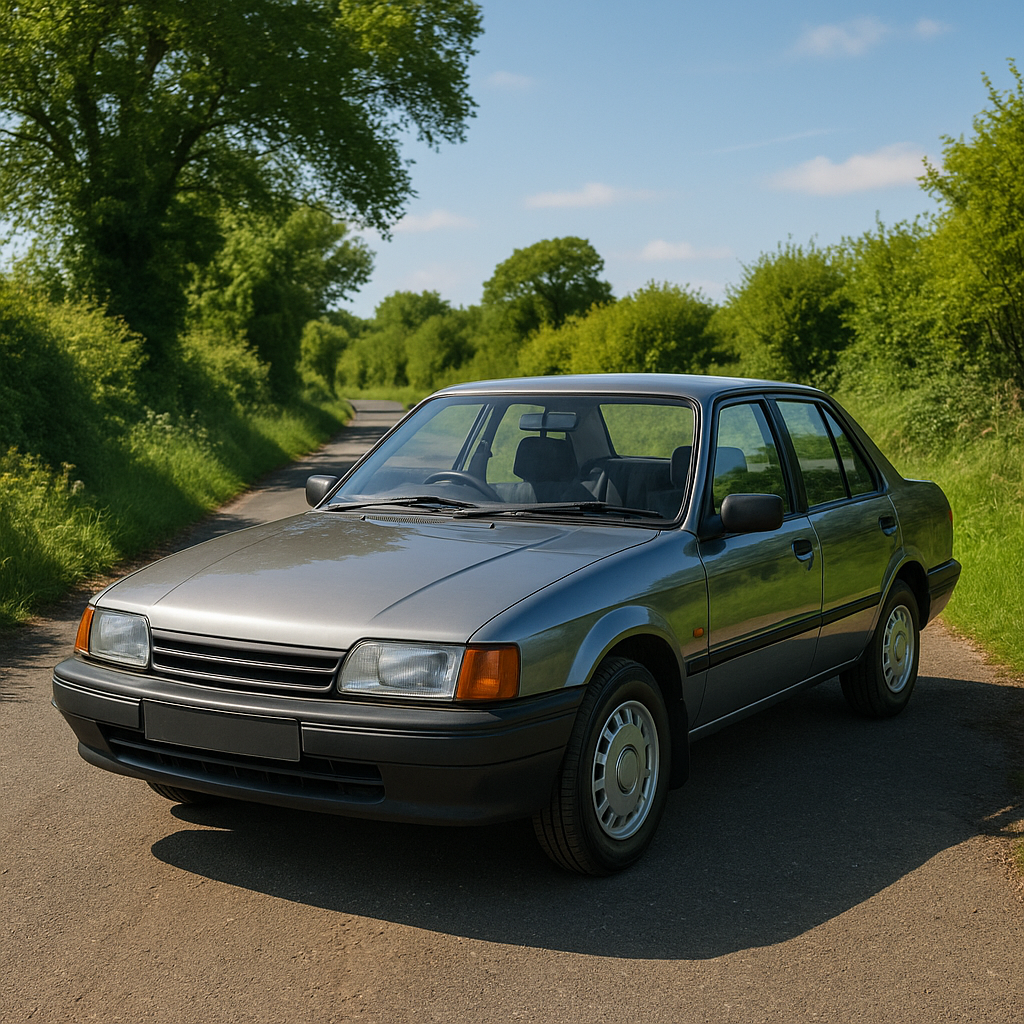
How To Care For A High-mileage Vehicle
Owning a high-mileage vehicle can be a rewarding experience, especially if it has served you well. However, as vehicles age and accumulate mileage, they require more attentive care to ensure they remain reliable and safe on the road. In the UK, where road conditions and weather can vary significantly, it’s essential to adopt a proactive approach to vehicle maintenance.
High-mileage vehicles, defined as those with over 100,000 miles, often face unique challenges. These include increased wear on components, potential rust issues, and the need for more frequent servicing. Understanding these factors will help you maintain your vehicle effectively.
Regular Maintenance Checks
To keep your high-mileage vehicle in optimal condition, regular maintenance is crucial. Here are some key areas to focus on:
- Engine oil and filter: Change oil every 5,000 to 7,500 miles to ensure proper lubrication.
- Fluids: Regularly check and top up coolant, brake fluid, and transmission fluid.
- Tyres: Inspect for tread wear and ensure they are inflated to the correct pressure.
- Brakes: Monitor brake pads and discs for wear; replace if necessary.
- Battery: Check for corrosion and ensure connections are clean.
Following the manufacturer’s service schedule, as outlined in the owner’s handbook, is vital. This schedule provides specific guidance on when to perform various maintenance tasks based on your vehicle's make and model.
Common Symptoms to Watch For
As your vehicle ages, be vigilant for signs that it may need attention. Here are some common symptoms to keep an eye on:
- Unusual noises: Listen for grinding, squeaking, or knocking sounds, which could indicate issues with the engine or suspension.
- Dashboard warning lights: Pay attention to any warning lights that illuminate; these can signal problems with vital systems.
- Decreased performance: Noticeable drops in fuel efficiency or power may indicate underlying issues.
- Vibrations: Unexplained vibrations while driving can point to problems with your tyres or alignment.
- Fluid leaks: Spotting any fluid under your vehicle should be investigated promptly.
Seasonal Considerations
In the UK, seasonal changes can significantly impact vehicle performance and maintenance needs. During winter months, your vehicle may require additional care due to cold temperatures and wet conditions. Here are some tips:
- Antifreeze: Ensure your coolant system is filled with antifreeze to prevent freezing.
- Wiper blades: Replace wiper blades regularly for optimal visibility in rain and snow.
- Tyres: Consider switching to winter tyres for improved grip on icy roads.
During the summer, keep an eye on your cooling system and ensure your air conditioning is functioning properly.
Cost Considerations
Maintaining a high-mileage vehicle can involve various costs, but understanding these can help you budget effectively. Regular servicing can range from £150 to £300, depending on the extent of the work needed. Here’s a breakdown of common costs:
- Oil change: Approximately £50 to £100.
- Brake pad replacement: Typically £100 to £200 per axle.
- Tyre replacement: Costs can vary between £50 to £150 per tyre, depending on the brand and type.
- Battery replacement: Ranges from £70 to £150.
Utilising local garages and comparing quotes can help keep your costs manageable. Remember, investing in regular maintenance can save you money in the long run by preventing more significant issues.
When to Book a Mechanic
Knowing when to seek professional help is crucial for the longevity of your high-mileage vehicle. Consider booking a mechanic if you notice:
- Persistent warning lights on your dashboard.
- Significant drops in fuel efficiency.
- Strange noises that do not resolve.
- Fluid leaks that are not easily identifiable.
- Any change in handling or performance.
In the UK, it’s also essential to keep in mind the annual MOT test, which assesses the roadworthiness of your vehicle. Make sure to book your MOT in advance, especially if your vehicle is approaching the deadline, as this is a legal requirement and can help identify any issues before they become serious.
Conclusion
Caring for a high-mileage vehicle requires diligence and attention to detail. By following a regular maintenance schedule, being aware of common symptoms, and understanding seasonal impacts, you can keep your vehicle running smoothly for years to come. Always consult your owner’s handbook for specific guidelines and don’t hesitate to seek professional help when needed.
UK ownership context
Use your owner's handbook and service schedule as the starting point, then adapt the timing to UK stop-start traffic, colder months and the mileage your car actually covers.
For many drivers, the most useful benchmark is not a generic internet interval but the manufacturer schedule, recent MOT advisories and the pattern of local driving the vehicle sees each week.
Useful next steps with Motoryst
Use the tools below to turn this advice into a practical next step.
- Store and organise your service history
- Run a vehicle history check before buying
- Compare warranty cover options
- Estimate current vehicle value
Useful UK references
- DVSA and GOV.UK guidance on MOT preparation
- Check previous MOT advisories and failures
- Use the vehicle owner's handbook and manufacturer service schedule for model-specific intervals, fluids and warning-light guidance.