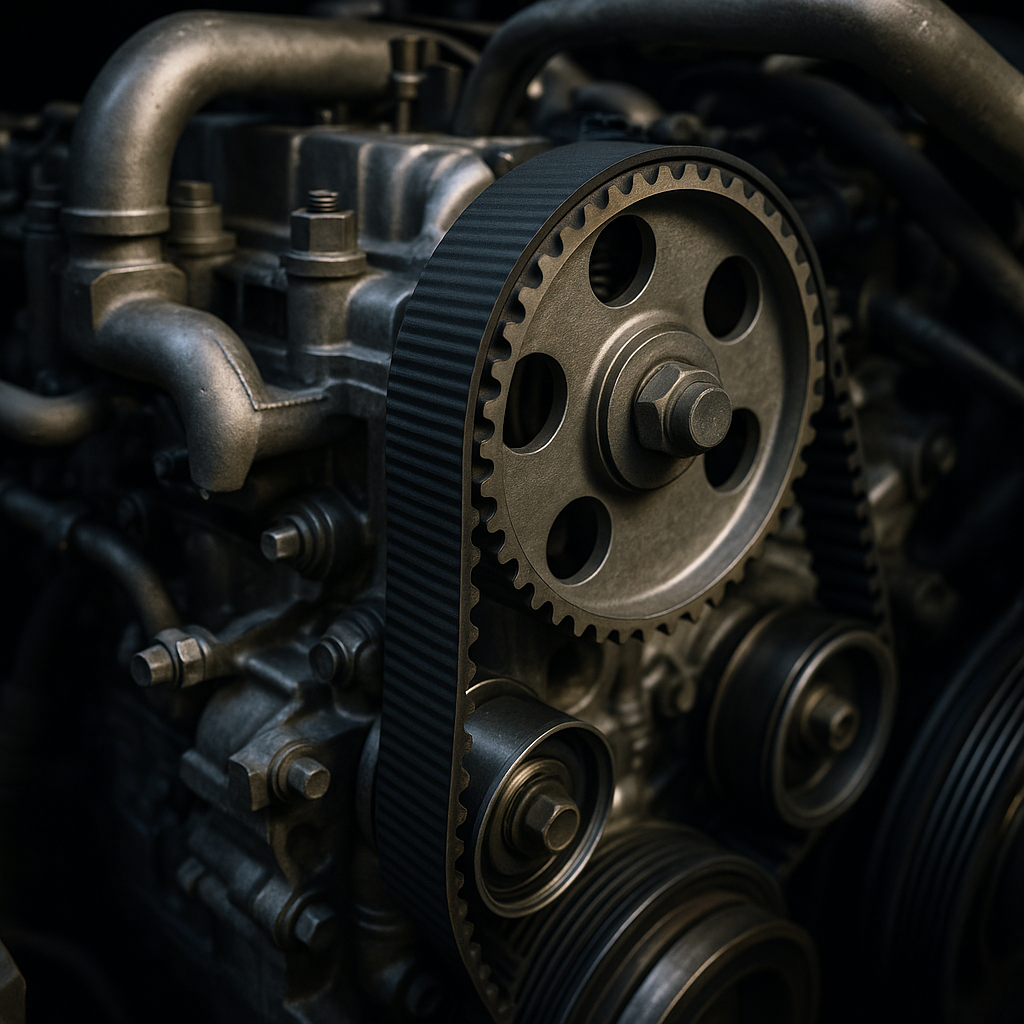
How Often Should You Replace Your Timing Belt
The timing belt is a crucial component in your vehicle's engine, responsible for synchronising the rotation of the crankshaft and camshaft. This ensures that the engine's valves open and close at the correct times during each cylinder's intake and exhaust strokes. A well-maintained timing belt is vital for optimal engine performance.
Replacement Frequency
Most manufacturers recommend replacing the timing belt every 60,000 to 100,000 miles, but this can vary significantly based on the make and model of your vehicle. It’s essential to consult your owner's handbook for specific guidance tailored to your car.
Factors Influencing Timing Belt Life
Several factors can affect the longevity of your timing belt:
- Engine Type: Some engines are more demanding on timing belts than others.
- Driving Conditions: Frequent short trips, stop-and-go traffic, and extreme weather can shorten the belt's lifespan.
- Quality of the Belt: Aftermarket belts may not last as long as OEM (Original Equipment Manufacturer) belts.
Signs Your Timing Belt Needs Attention
It's crucial to be aware of symptoms that may indicate your timing belt is due for replacement:
- Engine Noise: A ticking noise coming from the engine can indicate a failing belt.
- Oil Leaks: If you notice oil near the timing belt cover, it may be a sign of wear.
- Engine Misfires: This can occur if the timing is off due to a worn belt.
- Visible Wear: Cracks or fraying on the belt itself are clear indicators it’s time for a change.
UK-Specific Context
In the UK, regular vehicle maintenance is not just a good idea; it's essential for passing the MOT (Ministry of Transport) test. A faulty timing belt can lead to severe engine damage, potentially failing your MOT and costing you more in repairs. Seasonal conditions, such as winter frost or summer heat, can also stress engine components, making regular checks paramount.
Practical Checks This Week
As a proactive driver, here are some checks you can perform:
- Check your vehicle's service history for timing belt replacement records.
- Inspect the timing belt visually for any signs of wear, fraying, or cracking.
- Listen for unusual noises when starting your engine.
- Monitor your oil levels and look for any leaks around the timing belt cover.
When to Book a Mechanic
If you notice any of the signs mentioned above, or if you're approaching the mileage recommended for replacement, it’s wise to book a mechanic. A professional inspection can help determine if your timing belt is still in good condition or if it's time for a replacement.
Timing belt replacement can be a significant investment, typically costing between £300 to £600, depending on your vehicle's make and model. The cost can vary based on labour rates and the complexity of the engine. It's advisable to get quotes from multiple garages to ensure you receive a fair price.
Conclusion
Regularly checking your timing belt is an essential part of vehicle maintenance. By being proactive and aware of the signs of wear, you can avoid costly repairs and ensure your car remains roadworthy. Always refer to your owner's handbook for specific recommendations, and don't hesitate to consult a qualified mechanic when in doubt.
UK ownership context
Use your owner's handbook and service schedule as the starting point, then adapt the timing to UK stop-start traffic, colder months and the mileage your car actually covers.
For many drivers, the most useful benchmark is not a generic internet interval but the manufacturer schedule, recent MOT advisories and the pattern of local driving the vehicle sees each week.
Useful next steps with Motoryst
Use the tools below to turn this advice into a practical next step.
- Store and organise your service history
- Run a vehicle history check before buying
- Compare warranty cover options
- Estimate current vehicle value
Useful UK references
- DVSA and GOV.UK guidance on MOT preparation
- Check previous MOT advisories and failures
- Use the vehicle owner's handbook and manufacturer service schedule for model-specific intervals, fluids and warning-light guidance.