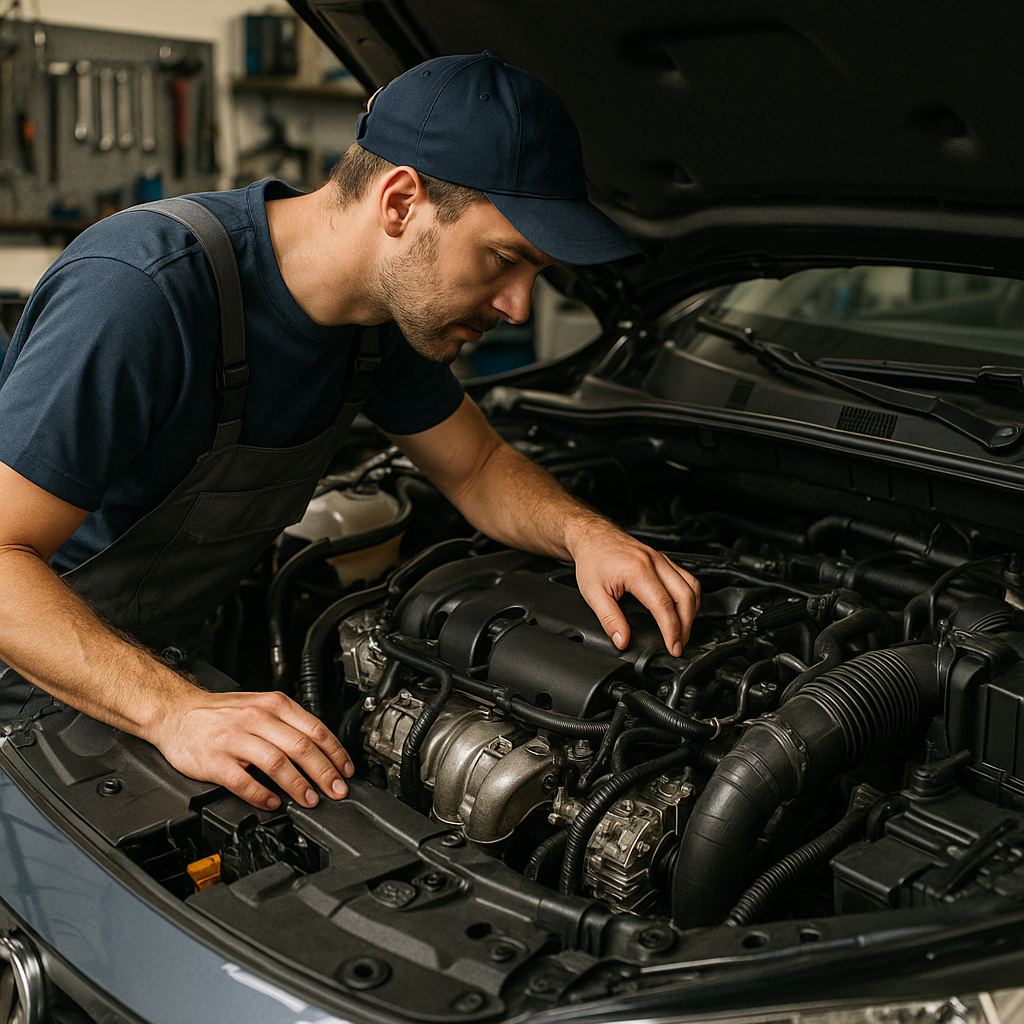
Identifying the Issue of Rough Idling
Experiencing rough idling at traffic lights can be frustrating and concerning for any driver. This issue often manifests as a noticeable vibration or uneven engine performance when your vehicle is stationary. In the UK, where traffic conditions can vary greatly, especially in urban areas, understanding how to troubleshoot this problem is essential for maintaining your vehicle's performance and ensuring roadworthiness.
Rough idling can be caused by several factors, including fuel delivery problems, ignition system issues, or even engine management system faults. Regular maintenance, as outlined in your owner's handbook, is crucial in preventing such issues. It's also important to remember that the condition of your vehicle can affect its MOT status, with rough idling potentially leading to emissions concerns that could result in a failed test.
Common Symptoms of Rough Idling
Before you begin troubleshooting, it’s vital to recognise the symptoms associated with rough idling. Here are some common signs:
- Vibration felt through the steering wheel or seat.
- Engine noise that fluctuates unexpectedly.
- Dashboard warning lights, particularly the check engine light.
- Difficulty starting the engine or stalling when idling.
Initial Checks to Perform
When you notice rough idling, there are several checks you can perform before seeking professional help. These initial diagnostics can save you time and money:
- Inspect the Air Filter: A clogged air filter can restrict airflow to the engine, causing it to run poorly. Check your air filter and replace it if it appears dirty or blocked.
- Examine the Spark Plugs: Worn or fouled spark plugs can lead to misfires and rough idling. Remove and inspect the plugs for wear and replace them if necessary.
- Check Fuel Quality: Poor-quality fuel can affect engine performance. Ensure you are using the correct fuel type as recommended in your owner's handbook.
- Look for Vacuum Leaks: A vacuum leak can disrupt the air-fuel mixture, causing rough idling. Inspect hoses and connections for any signs of wear or damage.
Advanced Troubleshooting Steps
If initial checks do not resolve the issue, consider the following advanced troubleshooting steps:
- Fuel System Inspection: Problems with the fuel injectors or fuel pump can lead to rough idling. A professional can perform a fuel pressure test to diagnose this.
- Engine Management System Scan: Using an OBD-II scanner can help identify fault codes that indicate specific issues within the engine management system.
- Idle Air Control Valve Check: A malfunctioning idle air control valve can cause unstable idling. This component regulates the engine's idle speed and should be tested for functionality.
Seasonal Considerations
In the UK, seasonal changes can also affect your vehicle's performance. Cold weather can lead to fuel condensation, which may cause rough idling. Regular checks on your vehicle’s battery and antifreeze levels during winter months are crucial, as these can impact engine performance. Additionally, ensure that your vehicle is serviced as per the manufacturer's schedule to avoid any seasonal-related issues.
When to Book a Mechanic
If you have conducted the above checks and the problem persists, it’s time to consult a professional mechanic. Here are some indicators that you should book an appointment:
- Persistent rough idling despite basic troubleshooting.
- Presence of dashboard warning lights that remain illuminated.
- Unusual noises or smells coming from the engine.
- Stalling or difficulty starting the vehicle.
In the UK, the cost of a mechanic's diagnostic check typically ranges from £50 to £100, depending on the garage and the complexity of the issue. More extensive repairs, such as replacing fuel injectors or the idle air control valve, can escalate costs, so it's wise to get an estimate before proceeding.
Conclusion
Rough idling at traffic lights can be a symptom of various underlying issues. By conducting initial checks and understanding when to seek professional help, you can ensure that your vehicle remains in good condition and compliant with MOT requirements. Regular maintenance and attention to your car's performance not only enhance your driving experience but also help you avoid costly repairs down the line.
UK ownership context
Use your owner's handbook and service schedule as the starting point, then adapt the timing to UK stop-start traffic, colder months and the mileage your car actually covers.
For many drivers, the most useful benchmark is not a generic internet interval but the manufacturer schedule, recent MOT advisories and the pattern of local driving the vehicle sees each week.
Useful next steps with Motoryst
Use the tools below to turn this advice into a practical next step.
- Store and organise your service history
- Run a vehicle history check before buying
- Compare warranty cover options
- Estimate current vehicle value
Useful UK references
- DVSA and GOV.UK guidance on MOT preparation
- Check previous MOT advisories and failures
- Use the vehicle owner's handbook and manufacturer service schedule for model-specific intervals, fluids and warning-light guidance.