How To Choose Quality Replacement Parts On A Budget
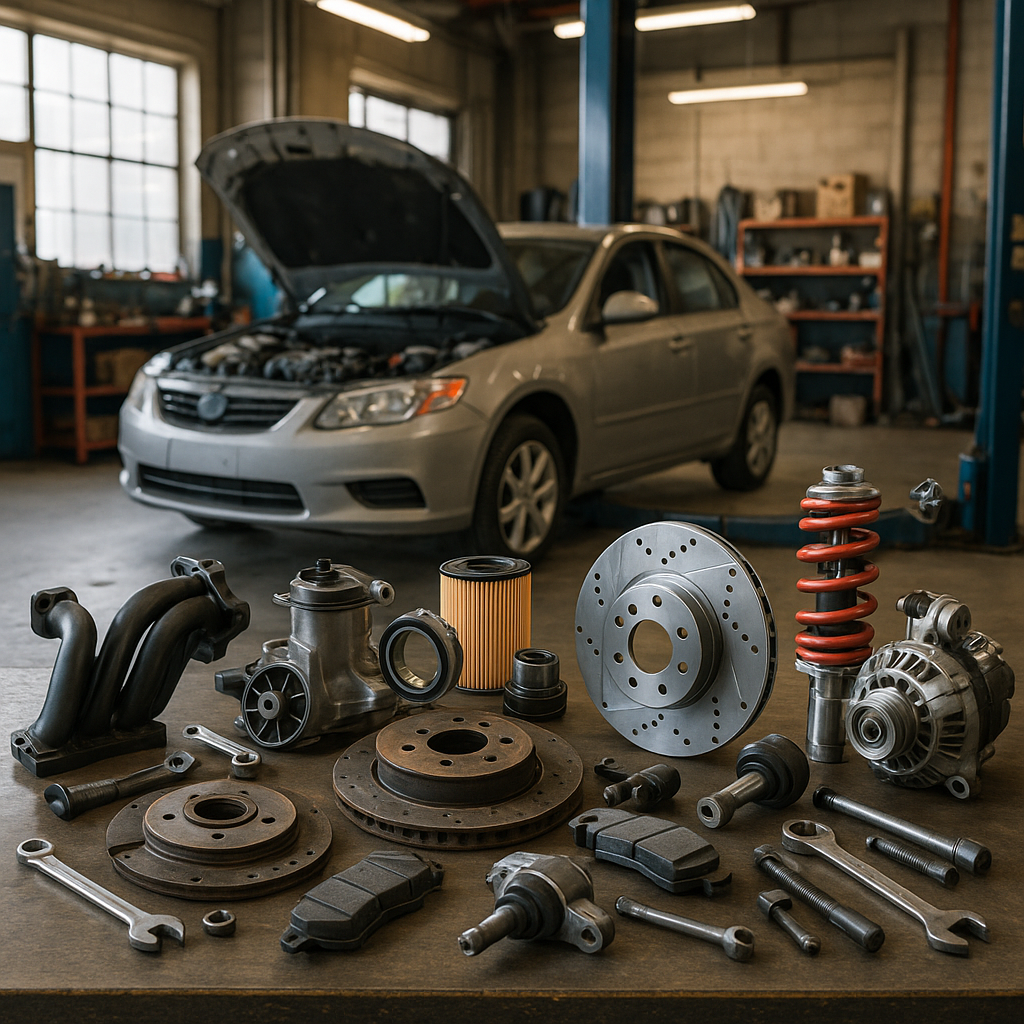
When it comes to maintaining your vehicle, the quality of replacement parts can significantly impact its performance, safety, and longevity. In the UK, drivers face unique challenges such as strict MOT requirements and varying weather conditions that can affect vehicle wear and tear. Choosing the right parts on a budget is essential not only for keeping your car roadworthy but also for managing ownership costs effectively.
As a car owner, you may find yourself needing to replace parts due to regular wear and tear or unexpected failures. Understanding the types of parts available and how to select them wisely can save you money and ensure your vehicle remains reliable.
Identifying the Right Parts for Your Vehicle
Before diving into the purchasing process, it's crucial to identify the specific parts you need. Here’s how you can do this:
- Consult Your Owner's Handbook: This document provides essential information about your vehicle’s specifications and recommended replacement parts.
- Check for Symptoms: If you notice unusual noises, warning lights, or performance issues, these could be indicators that certain parts need replacing.
- Use Online Resources: Websites like the DVSA offer guidance on common issues and part specifications for different vehicles.
Types of Replacement Parts: OEM vs Aftermarket
When selecting replacement parts, you’ll typically encounter two main categories: Original Equipment Manufacturer (OEM) and aftermarket parts.
- OEM Parts: These parts are made by the vehicle's manufacturer and are usually more expensive. They offer guaranteed compatibility and quality.
- Aftermarket Parts: These are produced by third-party companies and can vary widely in quality and price. Some aftermarket parts are high-quality, while others may be subpar.
Choosing between OEM and aftermarket parts often comes down to your budget and the importance of the part in question. For critical components like brakes or suspension, investing in OEM may be wise, while for less critical parts, quality aftermarket options can be a cost-effective choice.
Budgeting for Replacement Parts
Setting a realistic budget for replacement parts is essential. Here are some tips to help you manage your costs:
- Research Prices: Use online marketplaces and local auto parts stores to compare prices. Websites like Euro Car Parts or GSF Car Parts often have good deals.
- Look for Discounts: Many retailers offer seasonal discounts or promotional codes, especially for online purchases.
- Consider Used Parts: Salvage yards and online marketplaces can be great sources for used parts, but ensure they are in good condition.
While it’s tempting to go for the cheapest option, remember that quality should not be compromised. A poorly made part may save you money initially but could lead to further expenses down the line due to premature failure.
Practical Steps to Take This Week
If you suspect that your vehicle needs replacement parts, here are practical steps you can take this week:
- Perform a visual inspection of your vehicle, checking for any obvious signs of wear, such as leaks or worn belts.
- Listen for unusual noises when driving, as these can indicate issues with brakes, suspension, or the engine.
- Check your vehicle’s service history against the manufacturer’s recommended service intervals to determine if any parts are due for replacement.
When to Book a Mechanic
While DIY repairs can save money, there are times when it's best to consult a professional. Consider booking a mechanic if:
- You’re unsure about the diagnosis of a problem.
- You lack the tools or skills to perform a repair safely.
- You notice warning lights on your dashboard that require immediate attention.
In the UK, the average cost of a mechanic's labour can range from £40 to £100 per hour, depending on the garage and location. It’s advisable to get multiple quotes and check online reviews to ensure you’re getting good value for money.
Maintaining Your Vehicle for Long-Term Savings
Investing in quality replacement parts is just one aspect of vehicle maintenance. Regular servicing according to the manufacturer’s schedule can help you avoid costly repairs down the line. Keeping your vehicle in good condition not only ensures safety but also enhances its resale value.
Consider the following maintenance tips:
- Stay on top of regular oil changes and fluid checks.
- Replace air filters and spark plugs according to the service schedule.
- Monitor tyre pressure and tread depth regularly.
By following these guidelines, you can make informed decisions about replacement parts while staying within your budget. Remember, a well-maintained vehicle is a safer, more reliable vehicle.
UK ownership context
Use your owner's handbook and service schedule as the starting point, then adapt the timing to UK stop-start traffic, colder months and the mileage your car actually covers.
For many drivers, the most useful benchmark is not a generic internet interval but the manufacturer schedule, recent MOT advisories and the pattern of local driving the vehicle sees each week.
Useful next steps with Motoryst
Use the tools below to turn this advice into a practical next step.
- Review high-level ownership signals with Car Score
- Store and organise your service history
- Run a vehicle history check before buying
- Compare warranty cover options
Useful UK references
- DVSA and GOV.UK guidance on MOT preparation
- Check previous MOT advisories and failures
- Use the vehicle owner's handbook and manufacturer service schedule for model-specific intervals, fluids and warning-light guidance.