Understanding Dashboard Warning Lights And What To Do Next
Your car's dashboard is equipped with a range of warning lights designed to alert you to potential issues. Recognising these lights and knowing how to respond can save you from costly repairs and ensure your vehicle remains roadworthy.
In the UK, regular maintenance and checks are crucial, especially as we approach the MOT season. Many dashboard warning lights can indicate problems that, if left unaddressed, may lead to failures during your MOT test. This guide will help you understand what these lights mean and what actions you should take.
Common Dashboard Warning Lights
Here are some of the most common dashboard warning lights and their meanings:
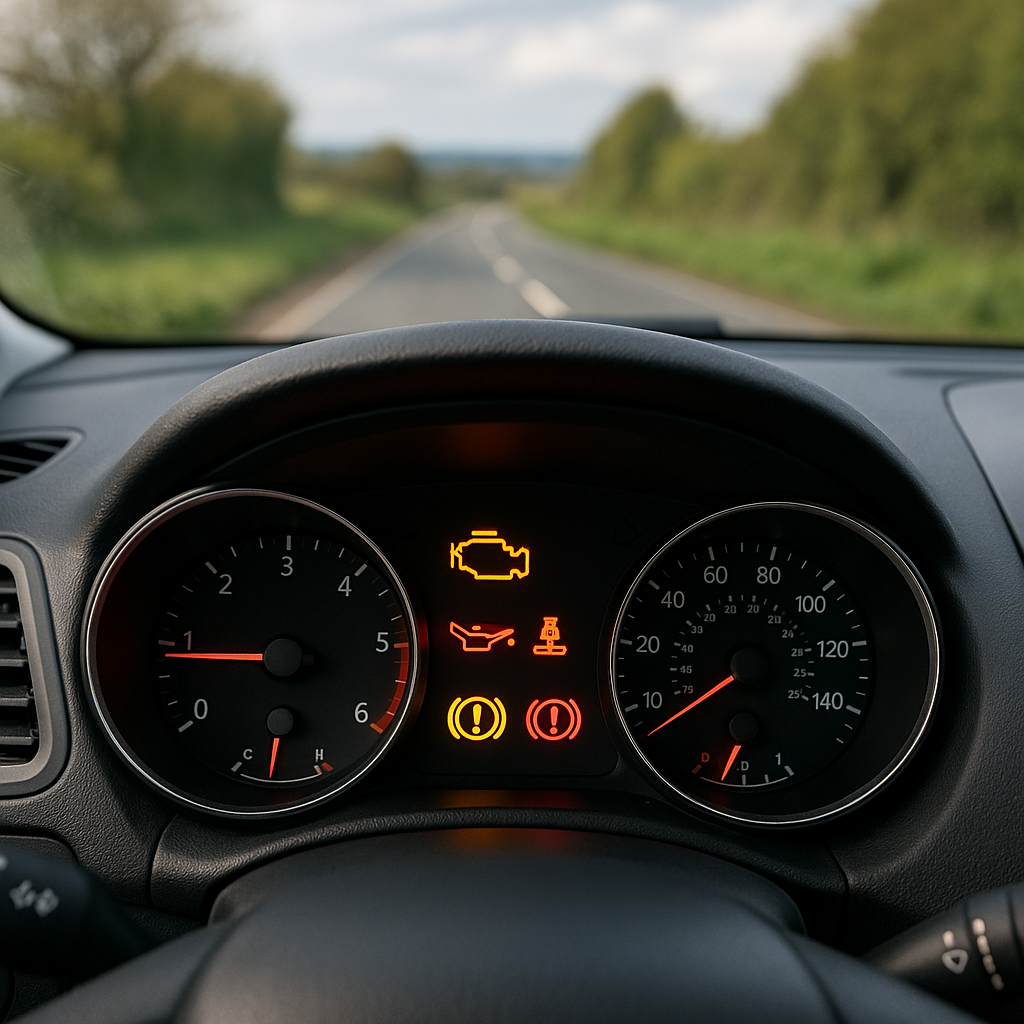
- Engine Warning Light: Often depicted as an engine outline, this light indicates a problem with the engine management system.
- Oil Pressure Warning: Shaped like an oil can, this light signals low oil pressure, which could lead to engine damage.
- Battery Warning Light: Resembling a battery, this light suggests an issue with the vehicle's charging system.
- Brake Warning Light: This light can indicate that the parking brake is engaged or there is a problem with the braking system.
- Tyre Pressure Warning Light: Shaped like a flat tyre, this light alerts you to low tyre pressure, which can affect handling and safety.
What to Do When a Warning Light Illuminates
When you see a warning light on your dashboard, here’s a step-by-step approach to take:
- Stay Calm: Don’t panic; many issues can be resolved with simple checks.
- Consult Your Owner’s Manual: This is your first point of reference for specific warning lights and recommended actions.
- Assess the Situation: If the light is flashing, it often indicates a more urgent issue than if it's steady.
- Perform Basic Checks: For example, if the tyre pressure light is on, check your tyre pressures using a reliable gauge.
- Limit Driving: If the engine warning light is illuminated, limit your driving until the issue is diagnosed.
Seasonal Considerations
In the UK, seasonal changes can affect vehicle performance. For instance, colder temperatures can lead to battery issues and lower tyre pressures. Regularly checking your battery health and tyre inflation can prevent dashboard warning lights from activating.
Moreover, if your vehicle is due for an MOT, ensure that all dashboard lights function correctly. A warning light can lead to a failed test, resulting in additional costs and inconvenience.
When to Book a Mechanic
Some warning lights require immediate attention, while others may allow for a little leeway. Here’s when you should consider booking a mechanic:
- Flashing Engine Light: This indicates a serious engine problem that needs urgent attention.
- Oil Pressure Warning Light: If this light comes on, check your oil level immediately. If it’s low, top it up, but if it persists, see a mechanic.
- Brake Warning Light: If this light is illuminated, it’s essential to have your braking system inspected as soon as possible.
- Battery Warning Light: If this light appears alongside other electrical issues, it may indicate a failing alternator or battery.
Booking a mechanic promptly can prevent minor issues from escalating into major repairs. Depending on the issue, costs for repairs can vary widely. For example, a simple oil change might cost between £50 and £100, while more complex engine repairs can easily exceed £1,000.
Conclusion
Understanding your dashboard warning lights is an essential skill for every driver. Regularly monitoring these lights and taking appropriate action can help maintain your vehicle’s performance and safety. Always refer to your owner's manual for specific guidance and don't hesitate to consult a professional mechanic when in doubt. Keeping your car in good condition not only ensures a smoother drive but can also save you money in the long run.
UK ownership context
If this issue affects visibility, braking, tyres, emissions or warning lights, treat it as a roadworthiness item and sort it before an MOT or any longer journey.
For many drivers, the most useful benchmark is not a generic internet interval but the manufacturer schedule, recent MOT advisories and the pattern of local driving the vehicle sees each week.
Useful next steps with Motoryst
Use the tools below to turn this advice into a practical next step.
- Store and organise your service history
- Run a vehicle history check before buying
- Compare warranty cover options
- Estimate current vehicle value
Useful UK references
- DVSA and GOV.UK guidance on MOT preparation
- Check previous MOT advisories and failures
- Use the vehicle owner's handbook and manufacturer service schedule for model-specific intervals, fluids and warning-light guidance.