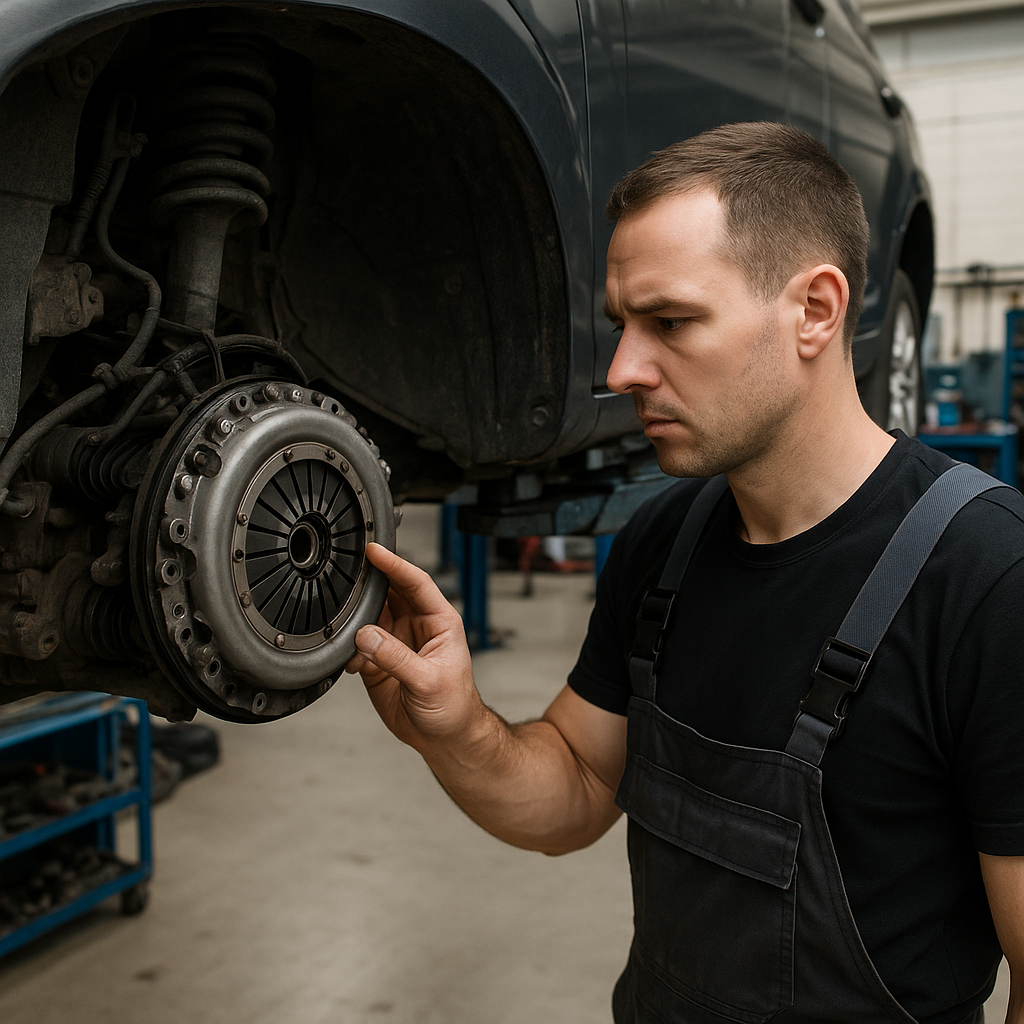
Signs Your Clutch May Be Wearing Out
The clutch is a critical component of your vehicle's transmission system, allowing you to engage and disengage the engine from the wheels. In the UK, maintaining your clutch is vital not only for smooth driving but also for meeting road safety standards, especially during your annual MOT. A worn clutch can lead to significant repair costs and affect your car's roadworthiness.
Being aware of the signs that your clutch may be wearing out can save you from unexpected breakdowns and costly repairs. Here are the most common symptoms to look out for.
Common Symptoms of a Worn Clutch
As a driver, you should be vigilant about your vehicle's performance. If you notice any of the following signs, it may indicate that your clutch is on its last legs:
- Slipping Clutch: This occurs when the engine revs increase but the vehicle speed does not correspondingly rise. You might feel a loss of power when accelerating.
- Difficulty Shifting Gears: If you find it hard to engage gears or experience grinding noises when shifting, it’s a sign that your clutch might be failing.
- Spongy or Stiff Clutch Pedal: A clutch pedal that feels unusually soft or requires excessive force to operate can indicate wear or a hydraulic issue.
- Unusual Noises: Listen for any rattling or squeaking sounds when you press the clutch pedal, which may suggest a mechanical issue.
- Burning Smell: A burnt odour when using the clutch could indicate overheating, suggesting that the clutch is slipping.
Practical Checks You Can Perform
Regular checks can help you catch clutch issues early. Here are some practical steps to take this week:
- Test the Clutch Feel: While parked, press the clutch pedal down and note its resistance. It should feel firm and engage smoothly.
- Monitor Gear Engagement: Drive in a safe area and pay attention to how easily you can shift gears. If you experience resistance or grinding, take note.
- Check for Slipping: During acceleration, if the engine revs up without a corresponding increase in speed, this is a crucial sign.
- Inspect for Leaks: Check under your vehicle for any fluid leaks, which could indicate issues with the hydraulic system.
- Smell Test: After driving, especially in stop-and-go traffic, check for any burning smells that could indicate a slipping clutch.
Seasonal Considerations
In the UK, seasonal conditions can affect your driving experience and the performance of your clutch. During winter months, the cold can cause the clutch fluid to thicken, leading to potential engagement issues. Regularly check your clutch system, especially before the colder months, to ensure it functions properly.
Impact on Ownership Costs
Ignoring clutch issues can lead to more severe problems, resulting in higher repair costs. A full clutch replacement can range from £500 to over £1,000, depending on the make and model of your vehicle. Regular maintenance and timely repairs not only improve safety but can also save you money in the long run.
When to Book a Mechanic
It’s essential to know when to seek professional help. If you experience any of the following, it’s time to book a mechanic:
- You notice persistent slipping or difficulty in gear changes.
- The clutch pedal feels excessively soft or hard.
- You hear unusual noises when operating the clutch.
- You detect a burning smell consistently after driving.
- Your vehicle fails to pass its MOT due to clutch-related issues.
Consult your owner’s handbook for manufacturer recommendations on clutch maintenance and service intervals. A qualified mechanic will be able to perform a thorough inspection and recommend necessary repairs based on the current state of your vehicle.
In conclusion, being proactive about clutch maintenance can ensure your vehicle remains safe and roadworthy, especially as you prepare for your next MOT. Regular checks and timely interventions can extend the life of your clutch and enhance your driving experience.
UK ownership context
Use your owner's handbook and service schedule as the starting point, then adapt the timing to UK stop-start traffic, colder months and the mileage your car actually covers.
For many drivers, the most useful benchmark is not a generic internet interval but the manufacturer schedule, recent MOT advisories and the pattern of local driving the vehicle sees each week.
Useful next steps with Motoryst
Use the tools below to turn this advice into a practical next step.
- Store and organise your service history
- Run a vehicle history check before buying
- Compare warranty cover options
- Estimate current vehicle value
Useful UK references
- DVSA and GOV.UK guidance on MOT preparation
- Check previous MOT advisories and failures
- Use the vehicle owner's handbook and manufacturer service schedule for model-specific intervals, fluids and warning-light guidance.