Common Mot Failure Points And How To Avoid Them
The MOT (Ministry of Transport) test is a legal requirement in the UK for vehicles over three years old. It ensures that your vehicle meets essential safety and environmental standards. Passing the MOT is crucial not only for road legality but also for your vehicle's resale value and overall safety on the road. Factors like seasonal weather conditions can impact your vehicle's performance, making regular maintenance and timely checks even more critical.
Common MOT Failure Points
Here are the most frequent reasons vehicles fail the MOT test, along with practical tips to avoid them:
- Lights and Indicators: Faulty lights are a common failure point. Ensure all headlights, brake lights, indicators, and fog lights are functioning properly.
- Brakes: Worn brake pads or discs can lead to failure. Regularly check for unusual noises or reduced braking performance.
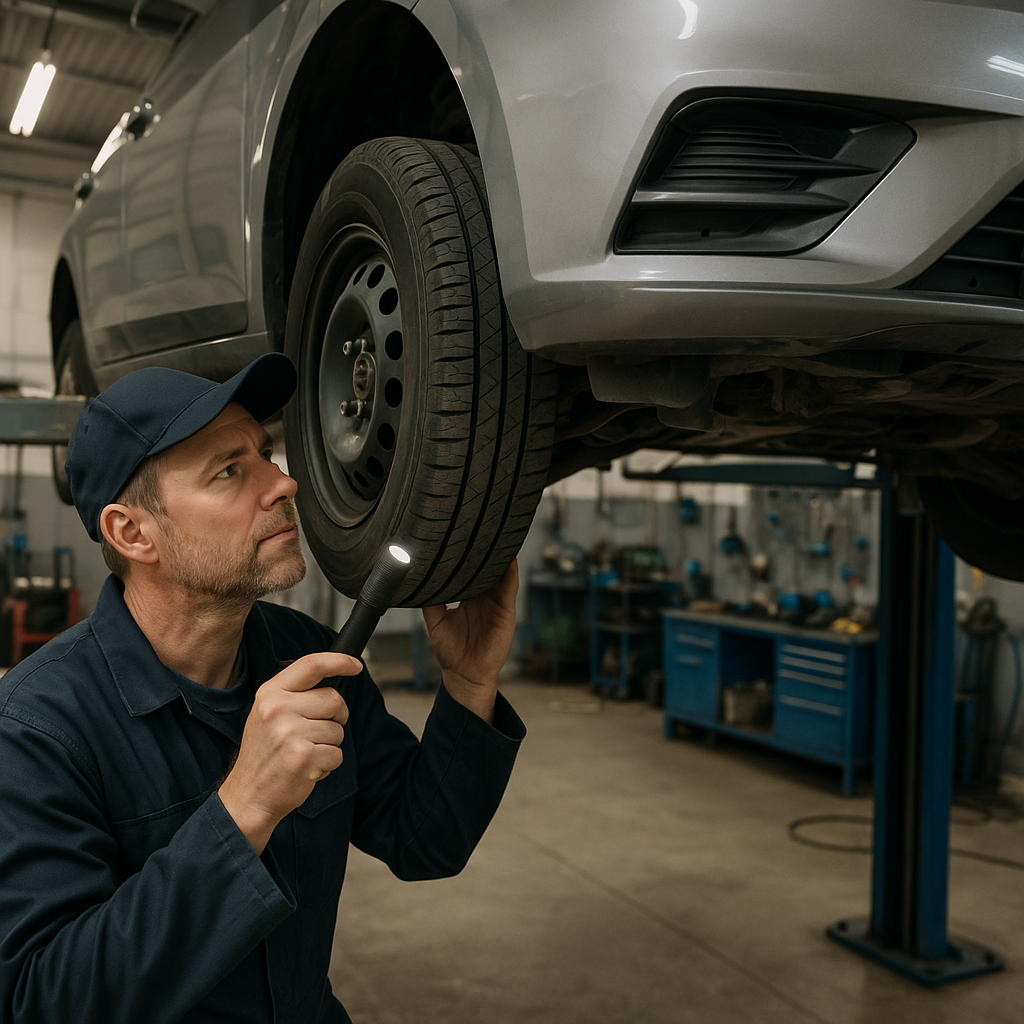
- Tyres: Insufficient tread depth or uneven wear can result in an MOT failure. Check your tyre pressure and tread regularly.
- Suspension: Worn or damaged suspension components can affect handling and safety. Listen for clunking noises or check for uneven tyre wear.
- Emissions: Failing to meet emissions standards can lead to MOT failure. Regular servicing can help maintain engine efficiency.
Specific Checks to Perform This Week
To prevent MOT failures, conduct the following checks:
- Lights: Test all lights, including high and low beams, indicators, and brake lights. Replace any blown bulbs immediately.
- Brakes: Pay attention to the feel of your brakes. If they feel spongy or make noise, consider getting them checked.
- Tyres: Use a 20p coin to check tread depth. If the outer band of the coin is visible, your tread is too low.
- Windscreen Wipers: Ensure wipers clear the screen effectively. Replace worn blades to maintain visibility.
- Fluid Levels: Check oil, coolant, brake fluid, and washer fluid levels, topping them up as necessary.
Seasonal Considerations
With the changing seasons, your vehicle may face different challenges. For example, winter conditions can affect battery performance and tyre grip. Regular checks during these months can prevent unexpected breakdowns and ensure your vehicle is ready for the road. Keep an eye on the following:
- Battery Health: Cold weather can reduce battery efficiency. Test your battery regularly and replace it if it shows signs of weakness.
- Tyre Condition: Winter tyres may be necessary in extreme conditions. Ensure your tyres are suitable for the season.
When to Book a Mechanic
If you notice any of the following symptoms, it’s time to consult a mechanic:
- Persistent warning lights on your dashboard.
- Unusual noises from the engine or brakes.
- Difficulty in steering or handling the vehicle.
- Visible leaks of fluids under the vehicle.
- Any signs of wear or damage to tyres or suspension components.
Addressing these issues early can save you from more significant problems later on. The cost of repairs can vary widely, depending on the severity of the issue and the make and model of your vehicle. For instance, brake pad replacement can range from £100 to £300, while light bulb changes are typically much less expensive.
Regular Maintenance and Its Impact on Ownership Costs
Investing in regular maintenance can significantly reduce the likelihood of MOT failures and extend the life of your vehicle. Following the manufacturer's service schedule, which you can find in your owner's handbook, can help you stay on top of necessary checks and replacements. Regular servicing not only ensures compliance with the MOT requirements but also enhances your vehicle's performance and fuel efficiency.
Conclusion
Being proactive about your vehicle's maintenance can help you avoid common MOT failure points. By conducting regular checks and addressing issues promptly, you can ensure your vehicle remains safe and roadworthy. Always refer to your owner's handbook and DVSA guidance for specific maintenance schedules and advice tailored to your vehicle.
UK ownership context
If this issue affects visibility, braking, tyres, emissions or warning lights, treat it as a roadworthiness item and sort it before an MOT or any longer journey.
For many drivers, the most useful benchmark is not a generic internet interval but the manufacturer schedule, recent MOT advisories and the pattern of local driving the vehicle sees each week.
Useful next steps with Motoryst
Use the tools below to turn this advice into a practical next step.
- Check compliance and road-use related details
- Store and organise your service history
- Run a vehicle history check before buying
- Compare warranty cover options
Useful UK references
- DVSA and GOV.UK guidance on MOT preparation
- Check previous MOT advisories and failures
- Use the vehicle owner's handbook and manufacturer service schedule for model-specific intervals, fluids and warning-light guidance.