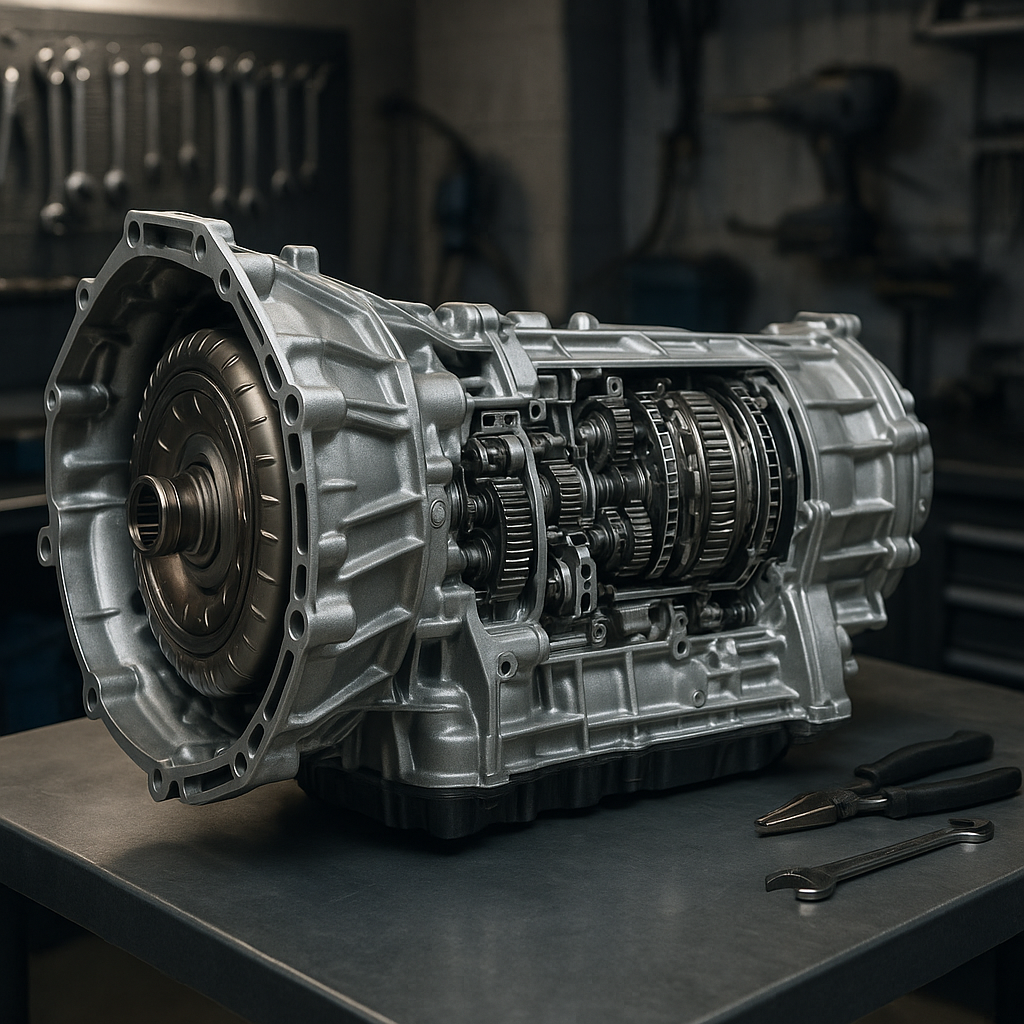
How To Reduce Wear On Your Automatic Transmission
Your automatic transmission is a complex system that plays a crucial role in your vehicle's performance. It allows for smooth gear shifts without the need for manual intervention, making driving more convenient. However, like any mechanical component, it is subject to wear and tear over time. In the UK, understanding how to maintain your transmission is essential for ensuring longevity and optimal performance, especially given that many drivers rely on their vehicles for daily commutes and long journeys.
In addition, with the UK’s stringent MOT requirements, maintaining your transmission can significantly impact your vehicle’s roadworthiness and overall ownership costs. A well-maintained transmission not only enhances your driving experience but can also save you money on repairs and improve fuel efficiency.
Regular Checks to Prevent Wear
Taking proactive steps to monitor your automatic transmission can help you identify issues before they escalate. Here are some checks you can perform this week:
- Fluid Level and Condition: Check the transmission fluid level using the dipstick (if available) while the engine is running. The fluid should be a bright red colour and free of debris. If it appears brown or has a burnt smell, it’s time for a change.
- Leak Inspection: Look under your vehicle for any signs of fluid leaks. Transmission fluid is typically red, so any puddles should be addressed immediately.
- Listen for Unusual Noises: Pay attention to any grinding or whining noises when changing gears. This could indicate internal wear.
- Monitor Shifting Performance: Notice if the transmission hesitates or shifts roughly. This could signal a need for maintenance.
Fluid Changes and Maintenance Schedule
Your owner's handbook will provide specific guidance on when to change the transmission fluid, but a general rule of thumb is every 30,000 to 60,000 miles. Here’s why this is important:
- Over time, transmission fluid can break down, leading to reduced lubrication and increased friction.
- Old fluid can become contaminated with metal particles and debris, which can cause further wear on transmission components.
In the UK, many garages offer transmission fluid changes as part of their service packages. Expect to pay between £100 and £200, depending on your vehicle's make and model. Always consult your vehicle's service schedule for specific recommendations.
Driving Habits That Affect Transmission Longevity
Your driving style can significantly impact the wear on your automatic transmission. Here are some practical tips to adopt:
- Avoid Rapid Acceleration: Sudden starts can put unnecessary strain on the transmission. Gradually increase your speed instead.
- Use the Parking Brake: When parking, especially on inclines, engage the parking brake to relieve stress from the transmission.
- Don’t Shift Gears While Moving: Avoid shifting from 'Drive' to 'Reverse' while the vehicle is still moving. This can cause excessive wear on the transmission.
- Limit Towing Capacity: If you need to tow, ensure you stay within the manufacturer’s recommended limits to prevent overheating and damage.
When to Book a Mechanic
It’s important to know when to seek professional help. Here are some signs that indicate you should book a mechanic:
- Persistent warning lights on the dashboard related to the transmission.
- Unexplained fluid leaks or low fluid levels despite regular checks.
- Unusual noises during gear changes that do not resolve after checking fluid levels.
- Slipping gears or difficulty in shifting.
In the UK, the cost of a transmission repair can vary widely, with minor fixes potentially costing around £150, while complete rebuilds can reach £2,000 or more. Always get a quote before proceeding with repairs, and consider getting a second opinion if the estimate seems high.
Seasonal Considerations for Transmission Care
The UK’s varied weather conditions can also affect your automatic transmission. During winter, cold temperatures can thicken transmission fluid, making it less effective. Here are some tips to prepare your transmission for seasonal changes:
- Ensure you have the right type of transmission fluid for winter conditions, as some fluids perform better in cold temperatures.
- Consider a pre-winter service to check the transmission fluid and overall vehicle health.
By being proactive and following these guidelines, you can significantly reduce wear on your automatic transmission, ensuring it operates smoothly and efficiently for years to come.
UK ownership context
Use your owner's handbook and service schedule as the starting point, then adapt the timing to UK stop-start traffic, colder months and the mileage your car actually covers.
For many drivers, the most useful benchmark is not a generic internet interval but the manufacturer schedule, recent MOT advisories and the pattern of local driving the vehicle sees each week.
Useful next steps with Motoryst
Use the tools below to turn this advice into a practical next step.
- Store and organise your service history
- Run a vehicle history check before buying
- Compare warranty cover options
- Estimate current vehicle value
Useful UK references
- DVSA and GOV.UK guidance on MOT preparation
- Check previous MOT advisories and failures
- Use the vehicle owner's handbook and manufacturer service schedule for model-specific intervals, fluids and warning-light guidance.