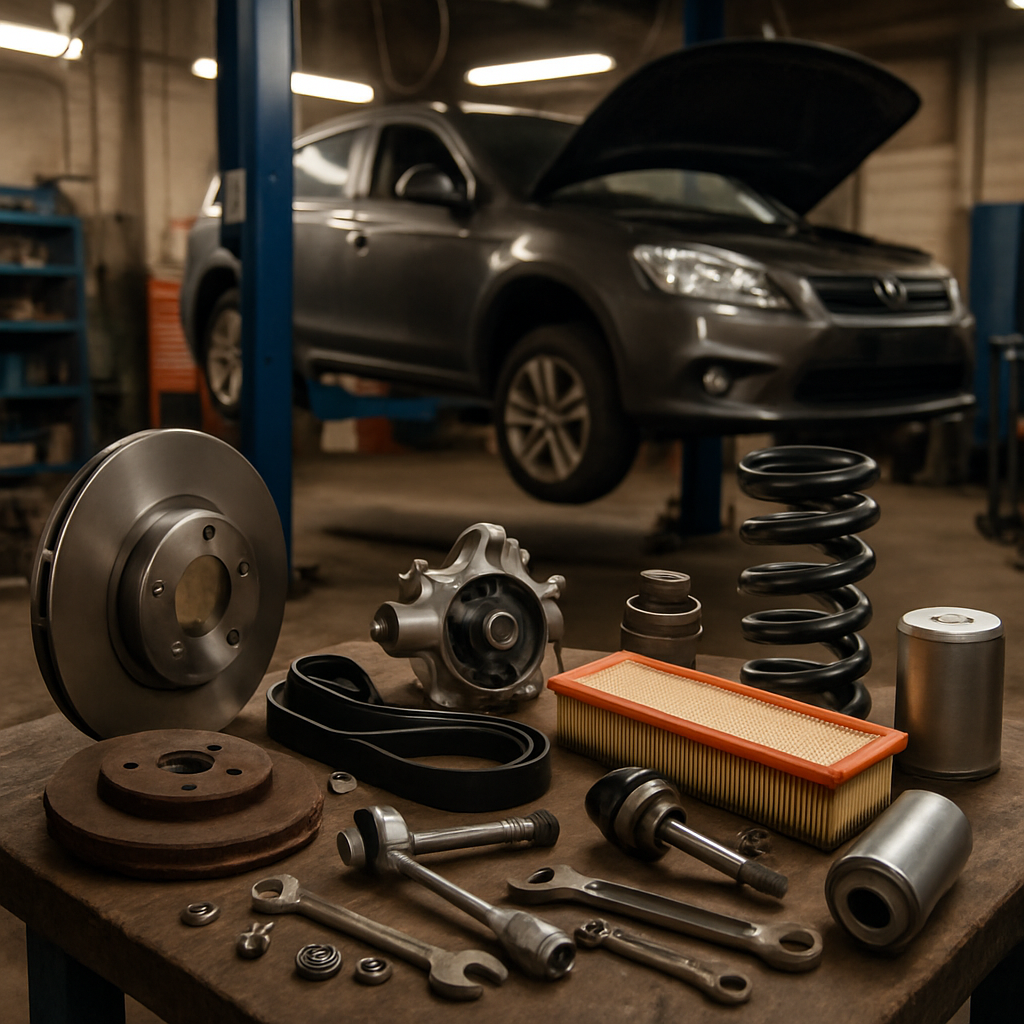
How To Choose Quality Replacement Parts On A Budget
As a UK driver, ensuring your vehicle remains roadworthy is crucial. Quality replacement parts are essential not only for performance but also for safety, especially as you prepare for your next MOT. Cheap, substandard parts may save you money upfront but can lead to more significant issues down the line, impacting both your wallet and your safety.
Assessing Your Vehicle’s Needs
Before diving into the world of replacement parts, it’s essential to assess what your vehicle truly needs. Start with a thorough inspection:
- Check for any warning lights on the dashboard.
- Look for unusual noises or vibrations while driving.
- Inspect fluid levels and leaks under the vehicle.
Regularly scheduled maintenance according to your owner's handbook is vital. The DVSA recommends adhering to manufacturer schedules to avoid costly repairs.
Identifying Symptoms That Require Replacement Parts
Be attentive to signs that indicate you may need replacement parts. Here are some common symptoms:
- Brake warning light illuminated
- Unresponsive brakes or a spongy brake pedal
- Unusual engine noises or performance issues
- Excessive smoke or smell from the exhaust
If you notice any of these signs, it’s time to consider your options for replacement parts.
Budgeting for Quality Parts
When budgeting for replacement parts, consider the following:
- Research the part's average cost online to establish a baseline.
- Factor in labour costs if you plan to have a mechanic perform the installation.
- Set aside a contingency budget for unexpected expenses.
For instance, brake pads can range from £30 to £100, while a complete brake kit might cost between £150 and £300, depending on the make and model of your vehicle.
Where to Source Quality Replacement Parts
Finding reliable sources is key to ensuring you purchase quality parts. Here are some options:
- OEM (Original Equipment Manufacturer) parts: These are made by the vehicle manufacturer and often come with a warranty.
- Aftermarket parts: These can be more affordable but ensure they meet quality standards.
- Reputable online retailers: Websites like Euro Car Parts or GSF Car Parts offer a wide range of components.
Always check reviews and ratings for any supplier you consider. It’s wise to consult forums or local car clubs for recommendations on trusted suppliers.
When to Book a Mechanic
While DIY repairs can save money, certain situations warrant the expertise of a professional mechanic:
- If you lack the tools or experience to perform the repair safely.
- When the problem is complex, such as engine or transmission issues.
- If your vehicle is still under warranty, as DIY repairs could void it.
Booking a mechanic sooner rather than later can prevent minor issues from escalating into costly repairs. If you’re unsure, consider getting a diagnostic check, which typically costs between £40 and £100.
Seasonal Considerations for Replacement Parts
In the UK, seasonal changes can impact your vehicle’s performance and the need for replacement parts:
- Winter may require new wiper blades, antifreeze, and battery checks.
- Summer often brings the need for air conditioning repairs and coolant replacement.
Regular checks can help you stay ahead of seasonal issues and prevent breakdowns.
Conclusion: Making Informed Choices
Choosing quality replacement parts on a budget is entirely feasible with careful planning and research. By assessing your vehicle’s needs, identifying symptoms, and sourcing parts wisely, you can maintain your vehicle’s performance without breaking the bank. Always remember to consult your owner’s handbook and adhere to DVSA guidelines for safety and compliance.
UK ownership context
Use your owner's handbook and service schedule as the starting point, then adapt the timing to UK stop-start traffic, colder months and the mileage your car actually covers.
For many drivers, the most useful benchmark is not a generic internet interval but the manufacturer schedule, recent MOT advisories and the pattern of local driving the vehicle sees each week.
Useful next steps with Motoryst
Use the tools below to turn this advice into a practical next step.
- Review high-level ownership signals with Car Score
- Store and organise your service history
- Run a vehicle history check before buying
- Compare warranty cover options
Useful UK references
- DVSA and GOV.UK guidance on MOT preparation
- Check previous MOT advisories and failures
- Use the vehicle owner's handbook and manufacturer service schedule for model-specific intervals, fluids and warning-light guidance.