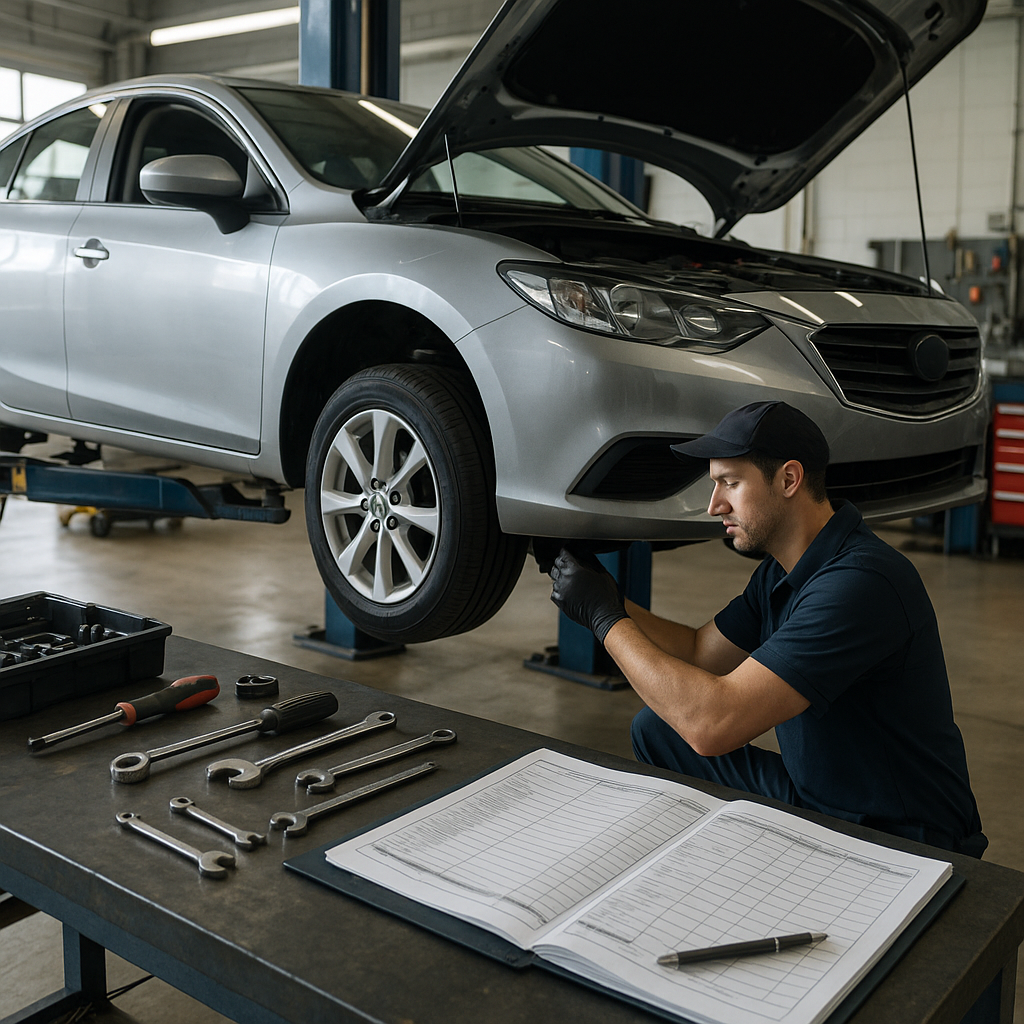
How Regular Servicing Protects Resale Value
For UK drivers, maintaining a vehicle goes beyond just ensuring it runs smoothly; it plays a crucial role in preserving its resale value. Regular servicing can significantly impact how much you can sell your car for when the time comes. Not only does it keep your vehicle in optimal condition, but it also provides potential buyers with the assurance of a well-maintained car.
In the UK, regular servicing is often tied to the MOT (Ministry of Transport) test, which assesses the roadworthiness of vehicles over three years old. While passing an MOT is essential, it is the regular maintenance between these tests that truly ensures your car stays reliable and retains its value.
Key Benefits of Regular Servicing
Here are some of the primary benefits of keeping up with your car’s servicing:
- Prevents Major Repairs: Regular checks can catch small issues before they escalate into costly repairs.
- Enhances Performance: A well-serviced car performs better, leading to a more enjoyable driving experience.
- Improves Fuel Efficiency: Regular maintenance can enhance your vehicle’s fuel economy, saving you money in the long run.
- Builds Trust with Buyers: A complete service history reassures potential buyers that the car has been cared for.
- Maintains Warranty Coverage: For newer cars, regular servicing is often necessary to keep warranties valid.
Specific Checks to Perform During Regular Servicing
When you take your vehicle in for a service, specific checks are typically performed. Here are some key areas that should be included:
- Oil and Oil Filter Change: Essential for engine health; should be done every 5,000 to 10,000 miles.
- Brake Inspection: Check pads, discs, and fluid levels to ensure safety and performance.
- Tire Condition: Inspect tread depth and pressure; replace tires that are worn or damaged.
- Battery Condition: Check connections and test the battery to prevent starting issues.
- Fluid Levels: Regularly check coolant, brake fluid, and windshield washer fluid levels.
Symptoms That Indicate the Need for Servicing
As a driver, being aware of your vehicle's condition can help you identify when it’s time for a service. Look out for these symptoms:
- Unusual noises, such as grinding or squeaking from the brakes.
- Warning lights on the dashboard, particularly oil pressure or battery indicators.
- Decreased fuel efficiency or unusual smells.
- Vibrations or pulling when driving, indicating alignment issues.
- Difficulty starting the engine or intermittent electrical issues.
When to Book a Mechanic
Booking a mechanic for a service should be done based on your vehicle's service schedule outlined in the owner’s handbook. Generally, a full service is recommended every 12 months or 12,000 miles, whichever comes first. However, if you notice any of the symptoms mentioned above, it’s wise to seek professional assistance sooner. Here are some guidelines for when to book:
- Every 12 months for a full service.
- Every 6 months for an interim service, especially if your vehicle covers high mileage.
- After any significant warning lights appear on your dashboard.
- Before long trips or seasonal changes, especially before winter.
Cost Considerations for Regular Servicing
The cost of servicing can vary widely depending on the make and model of your vehicle, as well as the type of service required. Generally, you can expect to pay:
- Interim Service: Between £100 and £150.
- Full Service: Between £150 and £300.
- Major Service: Upwards of £300, depending on additional checks and replacements.
Factors that influence these costs include:
- The type of oil used (synthetic oils can be more expensive).
- Parts replacement needs (e.g., brake pads, filters).
- Labour costs, which can vary by garage and location.
Maintaining Resale Value Through Documentation
One of the most effective ways to protect your car's resale value is by maintaining a detailed service history. Each time you have your vehicle serviced, ensure that:
- You receive a service booklet with stamps from the garage.
- Keep all invoices and receipts for work done.
- Document any repairs or replacements outside of regular servicing.
This documentation not only gives you peace of mind but also acts as a selling point when you decide to sell your car. Buyers are more likely to pay a premium for a vehicle with a comprehensive service history.
Conclusion
Regular servicing is not just about keeping your car running; it is a vital investment in its future resale value. By understanding the importance of maintenance, recognising the signs that indicate servicing is needed, and keeping thorough records, you can ensure that your vehicle remains a valuable asset throughout its life. Remember, a well-maintained car is not only more enjoyable to drive but can also lead to a more profitable sale down the line.
UK ownership context
Use your owner's handbook and service schedule as the starting point, then adapt the timing to UK stop-start traffic, colder months and the mileage your car actually covers.
For many drivers, the most useful benchmark is not a generic internet interval but the manufacturer schedule, recent MOT advisories and the pattern of local driving the vehicle sees each week.
Useful next steps with Motoryst
Use the tools below to turn this advice into a practical next step.
- Review high-level ownership signals with Car Score
- Store and organise your service history
- Run a vehicle history check before buying
- Compare warranty cover options
Useful UK references
- DVSA and GOV.UK guidance on MOT preparation
- Check previous MOT advisories and failures
- Use the vehicle owner's handbook and manufacturer service schedule for model-specific intervals, fluids and warning-light guidance.