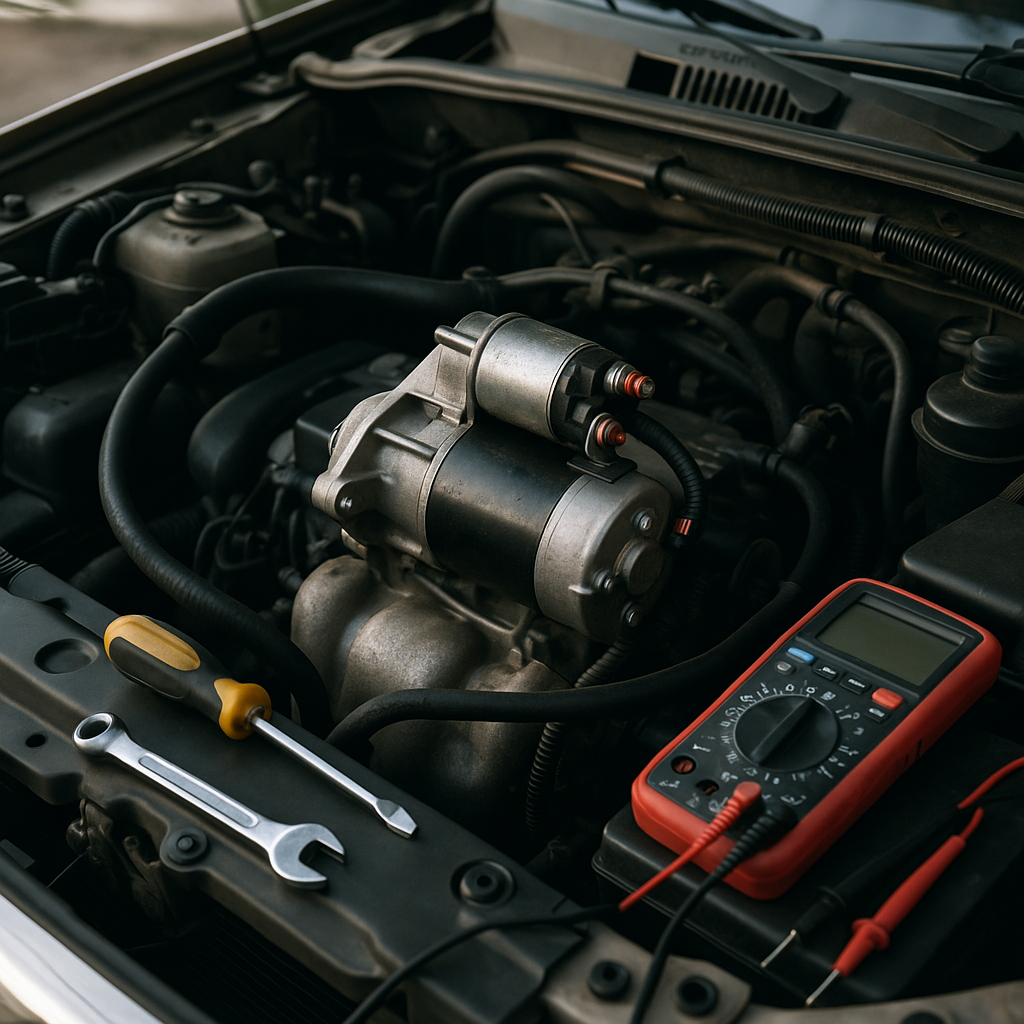
How To Diagnose Common Starter Motor Problems
Starter motors play a crucial role in your vehicle's operation, as they are responsible for initiating the engine's combustion process. When problems arise with the starter motor, it can lead to frustrating situations where your car simply won't start. Regular checks and maintenance can prevent these issues, especially considering the upcoming MOT season and the necessity for roadworthiness.
In the UK, maintaining your vehicle's starter motor is essential not only for performance but also for passing the MOT test. A faulty starter can lead to increased ownership costs, as it may result in breakdowns and additional repair bills. This guide will help you diagnose common starter motor problems effectively.
Common Symptoms of Starter Motor Problems
Before diving into the diagnosis, it’s crucial to be aware of the symptoms that indicate a starter motor issue. Here are some common signs:
- Clicking Noise: A rapid clicking sound when turning the key can indicate a weak battery or a faulty starter.
- Engine Won't Crank: If you turn the key and nothing happens, the starter may be defective.
- Intermittent Starting: If your vehicle starts sometimes but not others, it could point to a failing starter motor.
- Burning Smell: A burnt smell can indicate an electrical problem within the starter.
Identifying these symptoms early can save you time and money. If you notice any of these signs, it's time to carry out some checks.
Practical Checks for Diagnosing Starter Motor Problems
To diagnose starter motor issues, follow these practical steps:
1. Check the Battery
The battery is often the first culprit when starting issues arise. Here’s how to check:
- Ensure the battery terminals are clean and securely connected.
- Test the battery voltage using a multimeter; a healthy battery should read around 12.6 volts.
- If the voltage is low, try jump-starting the car. If it starts, the battery may need replacing.
2. Listen for Sounds
When you turn the ignition key, pay attention to the sounds:
- If you hear a single click, the starter solenoid may be faulty.
- If you hear rapid clicking, it often means the battery is weak.
- No sound at all can indicate a complete starter failure.
3. Inspect the Starter Motor
Next, you’ll want to visually inspect the starter motor:
- Locate the starter motor (usually near the engine's flywheel).
- Check for visible signs of damage, such as corrosion or loose connections.
- Ensure that the wiring leading to the starter is intact and free from wear.
4. Test the Ignition Switch
If the starter motor appears fine, the ignition switch could be at fault. You can test this by:
- Turning the key to the 'on' position and checking if the dashboard lights illuminate.
- Using a multimeter to test the ignition switch for continuity.
Seasonal Considerations
In the UK, weather conditions can significantly impact your vehicle's performance. Cold temperatures can reduce battery efficiency, making it more challenging for the starter motor to function properly. During winter, it's advisable to:
- Keep your battery charged, as cold weather can drain it faster.
- Consider using a battery warmer if you live in particularly cold areas.
When to Book a Mechanic
While the above checks can help you diagnose starter motor problems, there are times when it’s best to consult a professional:
- If you’ve performed the checks and the issue persists.
- If you suspect an electrical fault that requires specialised equipment.
- If you notice any unusual smells or smoke while attempting to start the vehicle.
Booking a mechanic can prevent further damage to your vehicle and ensure safety on the road. Typical starter motor repairs can range from £100 to £300, depending on the make and model of your car, and whether you require a full replacement.
Conclusion
Diagnosing starter motor problems doesn't have to be daunting. By following these practical checks, UK drivers can identify common issues early and potentially save on costly repairs. Regular maintenance and awareness of symptoms will contribute to a smoother driving experience and help ensure your vehicle is roadworthy.
UK ownership context
If this issue affects visibility, braking, tyres, emissions or warning lights, treat it as a roadworthiness item and sort it before an MOT or any longer journey.
For many drivers, the most useful benchmark is not a generic internet interval but the manufacturer schedule, recent MOT advisories and the pattern of local driving the vehicle sees each week.
Useful next steps with Motoryst
Use the tools below to turn this advice into a practical next step.
- Check compliance and road-use related details
- Store and organise your service history
- Run a vehicle history check before buying
- Compare warranty cover options
Useful UK references
- DVSA and GOV.UK guidance on MOT preparation
- Check previous MOT advisories and failures
- Use the vehicle owner's handbook and manufacturer service schedule for model-specific intervals, fluids and warning-light guidance.