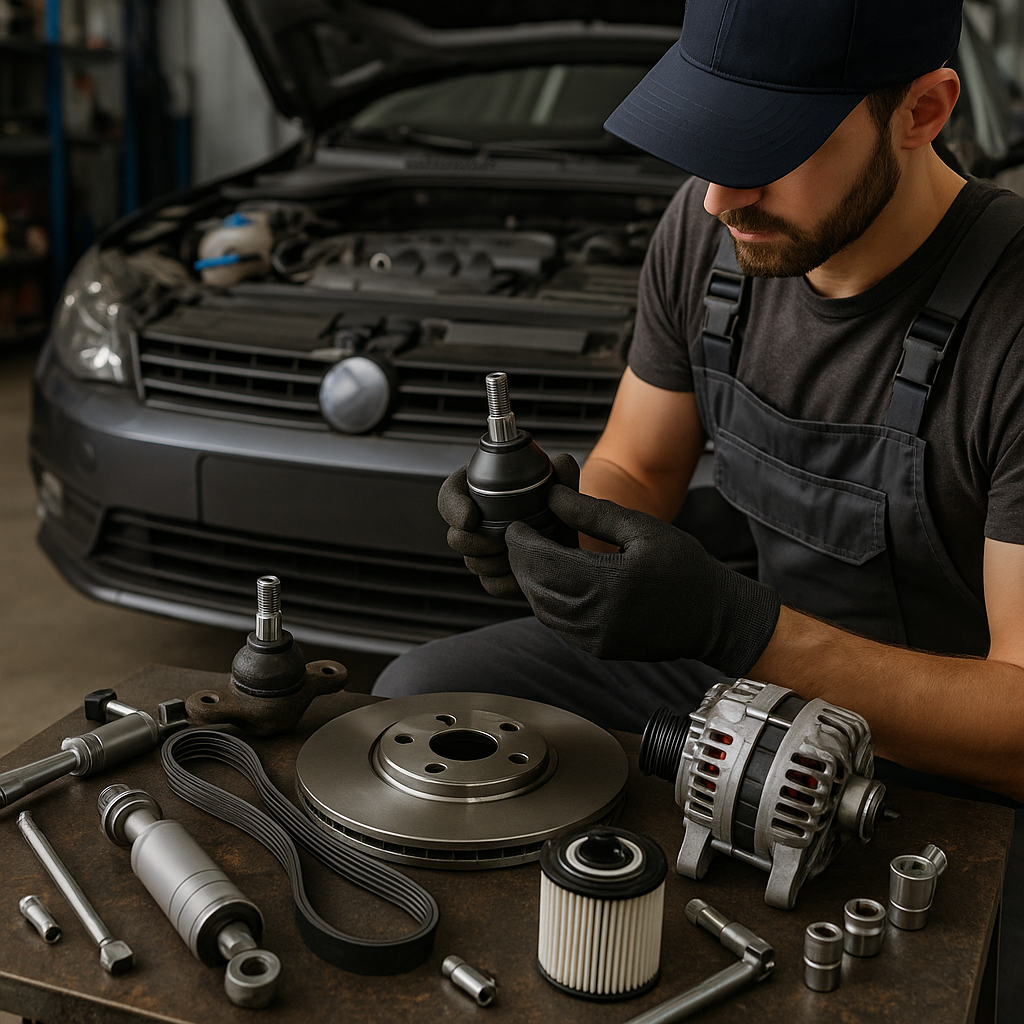
How To Choose Quality Replacement Parts On A Budget
As a UK driver, ensuring your vehicle is equipped with quality replacement parts is essential for safety and performance. With the MOT test being a legal requirement for all cars over three years old, keeping your vehicle in top condition can save you from costly repairs and ensure roadworthiness. However, maintaining a budget while sourcing these parts can be challenging.
Seasonal conditions can also affect your vehicle's performance. For instance, winter can put extra strain on your car's battery and tyres. Regular service intervals, as outlined in your owner's handbook, are crucial to identifying when parts need replacing before they fail.
Identifying the Need for Replacement Parts
Before diving into the replacement parts market, it's vital to assess whether a part truly needs replacing. Here are some common symptoms that might indicate a need for new components:
- Unusual Noises: Grinding or squeaking sounds can signify worn brake pads or bearings.
- Warning Lights: Dashboard indicators, such as the check engine light, often suggest a specific issue that may require a part to be replaced.
- Decreased Performance: If your vehicle is struggling to accelerate or has poor handling, it might be time to check suspension or engine components.
- Fluid Leaks: Puddles under your car can indicate a need for new gaskets or seals.
Researching Replacement Parts
Once you've identified the need for a replacement, research is key. Here are some steps to ensure you choose quality parts:
- Consult Your Owner's Handbook: This will provide specifications and recommendations for the parts suitable for your vehicle.
- Check Manufacturer’s Schedules: Follow the guidance provided by the manufacturer regarding part replacements and service intervals.
- Read Reviews: Look for feedback on parts from other users. Websites like Trustpilot or automotive forums can offer insights into the reliability of specific brands.
- Compare Prices: Use price comparison websites to find the best deals on parts while ensuring quality.
Choosing Between OEM and Aftermarket Parts
When selecting replacement parts, you will typically choose between OEM (Original Equipment Manufacturer) and aftermarket parts. Here’s a breakdown of both:
- OEM Parts: These are made by the vehicle manufacturer and are often more expensive. They provide guaranteed compatibility and quality but can strain your budget.
- Aftermarket Parts: These are produced by third-party manufacturers. They can be significantly cheaper but vary in quality. Always research the brand and read reviews before purchasing.
Cost Considerations
When budgeting for replacement parts, consider the following cost drivers:
- Part Type: Some components, like brake pads or filters, are generally affordable, while others, like alternators or engine parts, can be more expensive.
- Vehicle Model: Luxury or imported vehicles often have pricier parts due to limited availability.
- Labour Costs: If you're not fitting the parts yourself, factor in the cost of hiring a mechanic, which can range from £50 to £100 per hour in the UK.
When to Book a Mechanic
If you’re unsure about the condition of a part or need assistance with the installation, it’s wise to consult a professional. Book a mechanic if:
- The symptoms persist after replacing a part.
- You notice multiple issues that could be related.
- You lack the tools or experience to safely replace a part.
Practical Tips for Budget-Friendly Replacement
Here are some practical tips to help you save while ensuring quality:
- Buy in Bulk: If you need multiple parts, buying them together can sometimes yield discounts.
- Look for Promotions: Keep an eye on sales or discounts from reputable automotive retailers.
- Consider Used Parts: Salvage yards can have quality used parts at a fraction of the price. Ensure they are in good condition and compatible with your vehicle.
Conclusion
Choosing quality replacement parts on a budget is entirely achievable with careful research and planning. By understanding your vehicle’s needs, consulting reliable sources, and being strategic about your purchases, you can maintain your car's performance without breaking the bank. Regular maintenance and timely replacements not only enhance safety but can also reduce long-term ownership costs.
UK ownership context
Use your owner's handbook and service schedule as the starting point, then adapt the timing to UK stop-start traffic, colder months and the mileage your car actually covers.
For many drivers, the most useful benchmark is not a generic internet interval but the manufacturer schedule, recent MOT advisories and the pattern of local driving the vehicle sees each week.
Useful next steps with Motoryst
Use the tools below to turn this advice into a practical next step.
- Review high-level ownership signals with Car Score
- Store and organise your service history
- Run a vehicle history check before buying
- Compare warranty cover options
Useful UK references
- DVSA and GOV.UK guidance on MOT preparation
- Check previous MOT advisories and failures
- Use the vehicle owner's handbook and manufacturer service schedule for model-specific intervals, fluids and warning-light guidance.