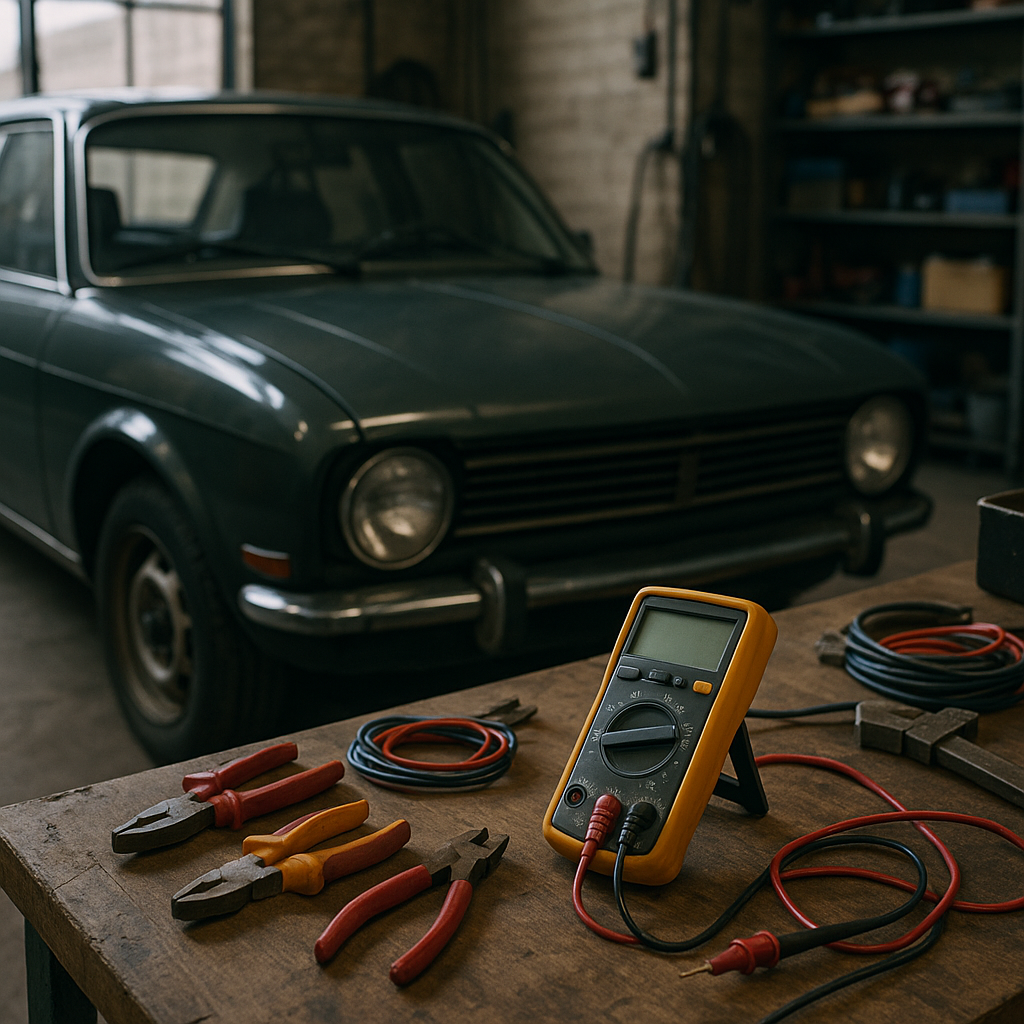
How To Handle Common Electrical Faults In Older Vehicles
Older vehicles, while often cherished for their character and simplicity, can present a range of electrical issues that may frustrate even the most seasoned drivers. With the UK’s strict MOT regulations, ensuring that your vehicle remains roadworthy is paramount. Electrical faults can lead to failures during inspections, impacting your vehicle's safety and your wallet.
Common electrical problems include issues with the battery, alternator, wiring, and fuses. Seasonal conditions, especially the cold, damp winters in the UK, can exacerbate these issues, making it vital for owners to be proactive in checking their vehicles.
Identifying Common Electrical Faults
Being able to diagnose electrical faults early can save you time and money. Here are some common symptoms to look out for:
- Dim or Flickering Lights: This can indicate a failing alternator or battery.
- Unresponsive Electrical Components: Such as windows, locks, or dashboard lights.
- Battery Drain: If your vehicle struggles to start or the battery frequently dies, you may have a wiring issue.
- Burning Smell: This could signal overheating wires or components.
Practical Checks You Can Perform
Regular checks can help you catch electrical problems before they escalate. Here are some practical steps:
- Inspect the Battery: Look for corrosion on terminals and ensure connections are tight. A multimeter can help you check the voltage; a healthy battery should read around 12.6 volts when fully charged.
- Check Fuses: A blown fuse can lead to components not working. Refer to your owner's manual for the fuse box diagram and replace any faulty fuses with the correct amperage.
- Inspect Wiring: Look for frayed or damaged wires, especially around the battery and engine bay. Pay attention to any signs of wear due to heat or moisture.
- Test the Alternator: If your battery is fine but the vehicle still has electrical issues, your alternator may not be charging properly. You can test this with a multimeter; the voltage should increase when the engine is running.
Seasonal Considerations for Electrical Systems
The UK weather can significantly impact your vehicle's electrical system. During winter, cold temperatures can lead to battery failure, while wet conditions can exacerbate wiring issues. Regular maintenance checks are crucial, particularly before the winter months. Ensure your battery is tested and that all electrical connections are clean and secure.
When to Book a Mechanic
While some electrical issues can be resolved with basic checks, there are times when it's best to consult a professional. Consider booking a mechanic if:
- You notice persistent electrical problems despite replacing fuses or batteries.
- You experience a burning smell or smoke coming from the engine bay.
- You are unsure how to safely diagnose or repair the issue.
- Your vehicle fails an MOT due to electrical faults.
Costs for electrical repairs can vary widely. Simple fuse replacements may only cost a few pounds, while more complex issues involving the alternator or wiring could run into the hundreds. Always ask for a detailed estimate before proceeding with repairs.
Maintaining Your Vehicle's Electrical System
Like any part of your vehicle, regular maintenance of the electrical system is essential. Following the manufacturer's service schedule, as outlined in your owner's handbook, can help you keep on top of potential issues. Consider these tips:
- Regularly check the battery: Clean terminals and check for corrosion.
- Keep an eye on your lights: Replace bulbs as soon as they dim or burn out.
- Stay vigilant for electrical issues: Address any symptoms promptly to avoid larger problems.
Conclusion
Staying proactive about your older vehicle's electrical system can save you time and money in the long run. By regularly inspecting your battery, fuses, and wiring, you can catch many issues early. However, knowing when to seek professional help is just as important. With the right approach, you can ensure your cherished vehicle remains reliable and roadworthy for years to come.
UK ownership context
Use your owner's handbook and service schedule as the starting point, then adapt the timing to UK stop-start traffic, colder months and the mileage your car actually covers.
For many drivers, the most useful benchmark is not a generic internet interval but the manufacturer schedule, recent MOT advisories and the pattern of local driving the vehicle sees each week.
Useful next steps with Motoryst
Use the tools below to turn this advice into a practical next step.
- Store and organise your service history
- Run a vehicle history check before buying
- Compare warranty cover options
- Estimate current vehicle value
Useful UK references
- DVSA and GOV.UK guidance on MOT preparation
- Check previous MOT advisories and failures
- Use the vehicle owner's handbook and manufacturer service schedule for model-specific intervals, fluids and warning-light guidance.