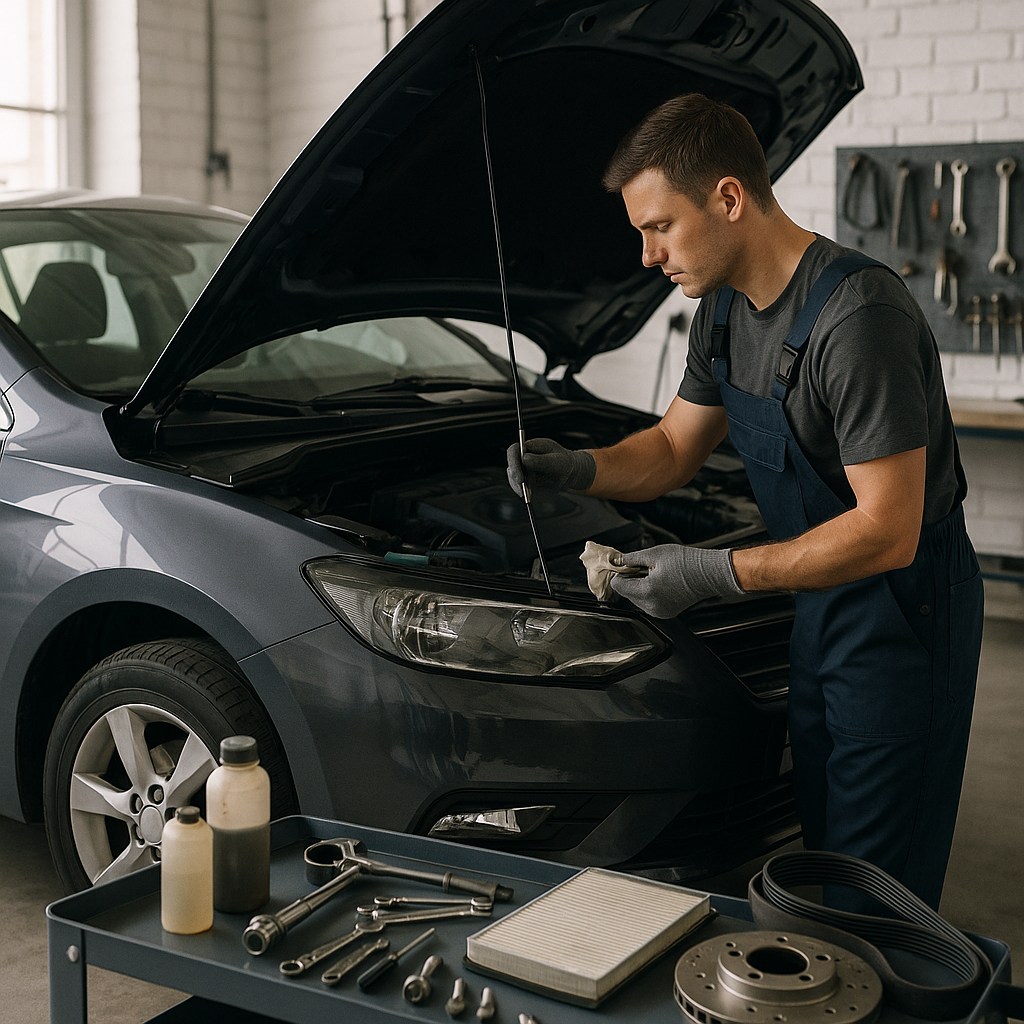
The Importance of Seasonal Maintenance
Owning a vehicle comes with its share of responsibilities, especially when it comes to maintenance. Seasonal maintenance is crucial in the UK, where fluctuating weather conditions can significantly impact vehicle performance and longevity. By taking proactive measures during different seasons, you can not only enhance your car’s reliability but also reduce long-term ownership costs.
Understanding Seasonal Conditions in the UK
In the UK, we experience a range of weather conditions that can affect vehicle operation. From icy winters to rainy summers, each season presents unique challenges:
- Winter: Cold temperatures can lead to battery failures and reduced tyre performance.
- Spring: Increased rainfall can cause issues with brakes and wipers.
- Summer: High temperatures can affect engine cooling and air conditioning.
- Autumn: Falling leaves can clog air filters and drainage systems.
Understanding these seasonal challenges allows drivers to prepare and maintain their vehicles accordingly. Regular checks and maintenance can ensure roadworthiness, especially as the UK requires an annual MOT test for vehicles over three years old.
Key Checks for Seasonal Maintenance
Here are some essential checks and actions you can take this week to prepare for the upcoming season:
Winter Preparation
- Battery Check: Cold weather can reduce battery efficiency. Test your battery’s health and replace it if necessary.
- Tyre Inspection: Ensure your tyres have adequate tread depth (at least 3mm) and are properly inflated.
- Anti-Freeze Levels: Check the coolant levels and ensure the anti-freeze mix is appropriate for winter temperatures.
Spring Maintenance
- Wiper Blades: Inspect wiper blades for wear and replace them if they leave streaks.
- Brakes: Listen for any unusual noises when braking and check brake fluid levels.
- Air Filters: Clean or replace air filters to improve engine efficiency.
Summer Care
- Cooling System: Inspect the radiator and hoses for leaks or wear.
- Tyre Pressure: Check tyre pressure more frequently as heat can increase pressure.
- Air Conditioning: Test the air conditioning system to ensure it’s functioning properly.
Autumn Readiness
- Leaf Debris: Clear leaves from the engine bay and drainage channels.
- Lights Check: Ensure all lights are functioning correctly as days get shorter.
- Fluid Levels: Top up all essential fluids, including oil and brake fluid.
The Financial Impact of Seasonal Maintenance
Investing in seasonal maintenance can lead to significant savings over time. Here’s how:
- Prevention of Major Repairs: Regular checks can catch issues before they escalate into costly repairs.
- Improved Fuel Efficiency: A well-maintained vehicle runs more efficiently, saving you money on fuel.
- Higher Resale Value: Keeping your car in good condition can increase its resale value, providing a better return on investment.
According to DVSA guidance, neglecting regular maintenance can lead to failures during the MOT, resulting in additional costs and potential penalties. For instance, a simple brake pad replacement can cost around £100 to £300, while a complete brake system failure could cost upwards of £1,000.
When to Book a Mechanic
While many checks can be performed at home, certain situations warrant a professional mechanic's expertise. Here’s when you should consider booking a visit:
- Warning Lights: If any dashboard warning lights remain illuminated after basic checks, seek professional help.
- Unusual Noises: Grinding, squeaking, or knocking sounds from the engine or brakes should be diagnosed promptly.
- Fluid Leaks: Any visible fluid leaks should be investigated to prevent further damage.
Booking a mechanic for these issues can prevent more significant problems down the line, ultimately saving you money and ensuring your vehicle remains roadworthy.
Conclusion
Seasonal maintenance is not just about keeping your car looking good; it’s a practical approach to reducing long-term ownership costs. By being proactive and addressing seasonal challenges, you can enhance your vehicle's reliability and performance. Regular checks and timely repairs will not only keep you safe on the road but also ensure that your investment stands the test of time.
UK ownership context
Use your owner's handbook and service schedule as the starting point, then adapt the timing to UK stop-start traffic, colder months and the mileage your car actually covers.
For many drivers, the most useful benchmark is not a generic internet interval but the manufacturer schedule, recent MOT advisories and the pattern of local driving the vehicle sees each week.
Useful next steps with Motoryst
Use the tools below to turn this advice into a practical next step.
- Review high-level ownership signals with Car Score
- Store and organise your service history
- Run a vehicle history check before buying
- Compare warranty cover options
Useful UK references
- DVSA and GOV.UK guidance on MOT preparation
- Check previous MOT advisories and failures
- Use the vehicle owner's handbook and manufacturer service schedule for model-specific intervals, fluids and warning-light guidance.