Why a Monthly Maintenance Routine Matters
In the UK, owning a car comes with a responsibility to ensure it remains safe and roadworthy. Regular maintenance not only extends the lifespan of your vehicle but also enhances safety and efficiency. With the annual MOT test serving as a benchmark for vehicle roadworthiness, a proactive approach to maintenance can help you avoid costly repairs and ensure compliance with legal standards.
Understanding Seasonal Considerations
The UK's weather can be unpredictable, impacting your car's performance. From icy winters to wet summers, each season presents unique challenges. Regular checks can help you adapt to these changing conditions, ensuring your vehicle is always ready for the road.
Monthly Maintenance Checklist
Creating a structured monthly maintenance routine can simplify the process. Here’s a practical checklist to follow:
- Fluid Levels: Check engine oil, coolant, brake fluid, and windscreen washer fluid.
- Tires: Inspect tire pressure and tread depth, looking for any signs of wear or damage.
- Lights: Ensure all headlights, brake lights, indicators, and fog lights are functioning.
- Battery: Check battery terminals for corrosion and ensure a secure fit.
Fluid Checks
Maintaining proper fluid levels is crucial for your vehicle's operation. Here’s how to manage it:
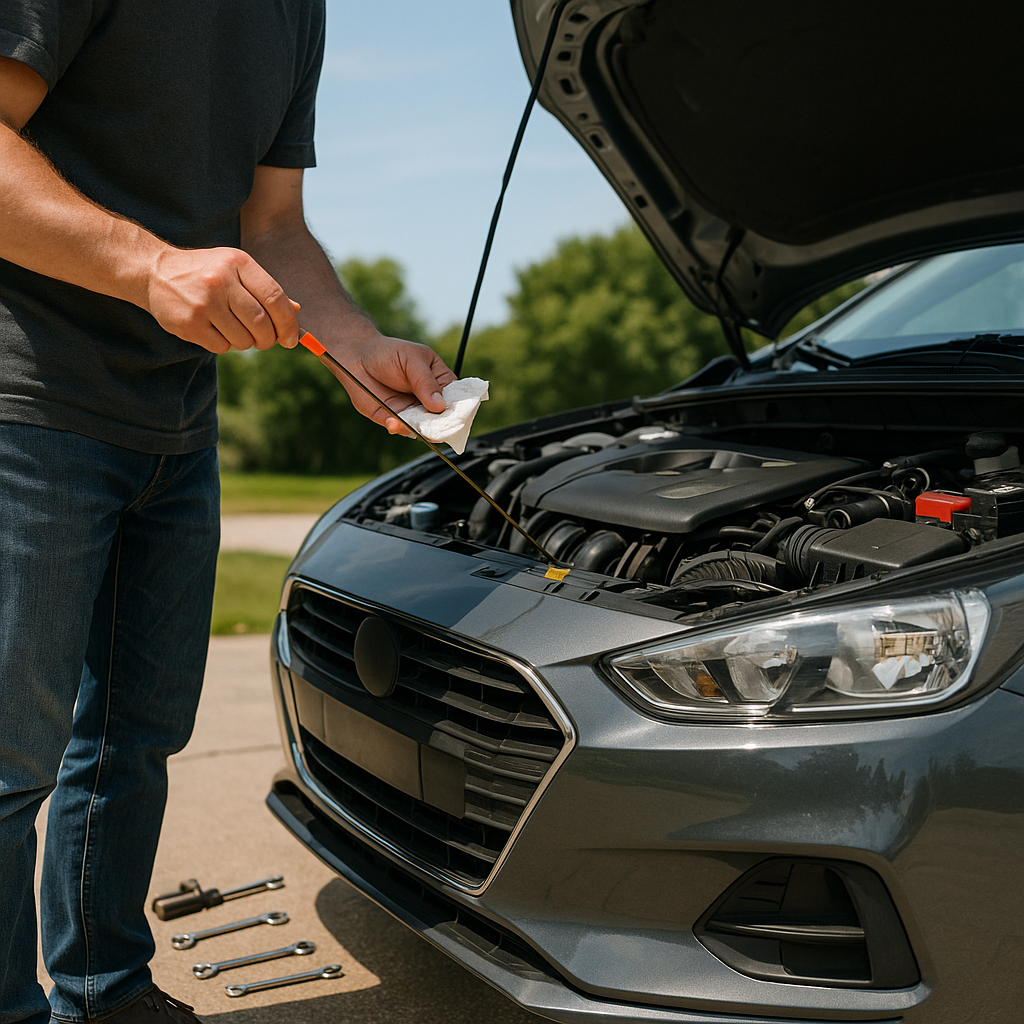
- **Engine Oil**: Check the dipstick to ensure oil is at the correct level. Change if it appears dark or gritty.
- **Coolant**: Inspect the coolant reservoir; it should be filled to the recommended level. If it’s low, top it up with a 50/50 mix of water and antifreeze.
- **Brake Fluid**: Ensure the brake fluid is between the minimum and maximum marks. If it appears dark, consider a fluid change.
- **Windscreen Washer Fluid**: Top up with a suitable washer fluid to ensure visibility.
Tire Maintenance
Proper tire maintenance is vital for safety and fuel efficiency. Here’s what to do:
- **Pressure Check**: Use a reliable gauge to check tire pressure when cold. Refer to the manufacturer's specifications, usually found in the owner's handbook or on a sticker inside the driver's door.
- **Tread Depth**: Use the 20p test; insert a 20p coin into the tread grooves. If you can see the outer band of the coin, your tread is too shallow and it’s time to replace the tires.
- **Visual Inspection**: Look for any cuts, bulges, or foreign objects embedded in the tires.
Lighting and Electrical Systems
Functional lights are essential for safe driving, especially during darker months. Regularly check:
- **Front and Rear Lights**: Turn on your lights and walk around the vehicle to ensure all are operational.
- **Indicators**: Activate your turn signals and check for flashing speed; if they flash rapidly, a bulb may need replacing.
Battery Care
A well-maintained battery ensures reliable starts. Follow these steps:
- **Check Connections**: Ensure battery terminals are clean and tightly connected. Corrosion can be cleaned with a mixture of baking soda and water.
- **Inspection**: Look for any signs of swelling or leaks, which may indicate a need for replacement.
When to Book a Mechanic
While a monthly routine can cover many issues, some symptoms indicate it’s time to consult a professional:
- **Warning Lights**: If the check engine light illuminates, don’t ignore it. A diagnostic check can identify underlying issues.
- **Unusual Noises**: Grinding or squealing sounds when braking may signal worn brake pads.
- **Fluid Leaks**: If you notice puddles under your vehicle, especially oil or coolant, schedule a mechanic visit.
- **Poor Performance**: A decrease in fuel efficiency or power can indicate engine problems needing professional attention.
Cost Considerations
Understanding the potential costs associated with car maintenance can help you budget effectively. Here are some typical expenses:
- **Oil Change**: Expect to pay between £40-£80 at a garage, depending on the type of oil and filters used.
- **Tire Replacement**: Costs can vary widely, but a mid-range tire might set you back £60-£100 each, including fitting.
- **Brake Pads**: Replacing brake pads typically costs around £100-£300 depending on the vehicle and parts used.
Conclusion
Establishing a monthly car maintenance routine is not just about preserving your vehicle; it's about ensuring your safety and that of others on the road. By following these practical steps, you can keep your car in optimal condition, potentially saving money and hassle in the long run. Always refer to your owner's handbook for specific recommendations and consult a professional mechanic when in doubt.
UK ownership context
Use your owner's handbook and service schedule as the starting point, then adapt the timing to UK stop-start traffic, colder months and the mileage your car actually covers.
For many drivers, the most useful benchmark is not a generic internet interval but the manufacturer schedule, recent MOT advisories and the pattern of local driving the vehicle sees each week.
Useful next steps with Motoryst
Use the tools below to turn this advice into a practical next step.
- Store and organise your service history
- Run a vehicle history check before buying
- Compare warranty cover options
- Estimate current vehicle value
Useful UK references
- DVSA and GOV.UK guidance on MOT preparation
- Check previous MOT advisories and failures
- Use the vehicle owner's handbook and manufacturer service schedule for model-specific intervals, fluids and warning-light guidance.