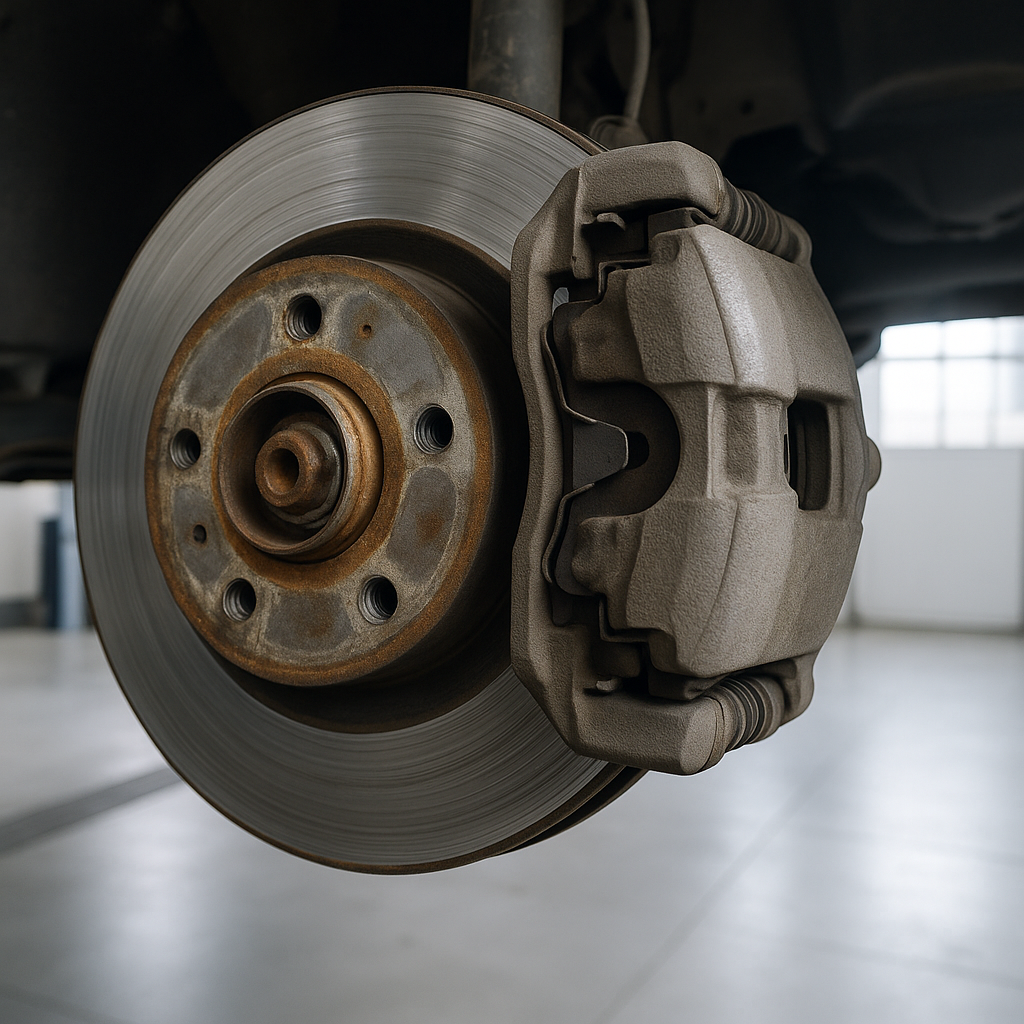
How To Spot Early Brake Wear Before It Becomes Expensive
Brakes are one of the most critical components of your vehicle, ensuring safety by allowing you to slow down or stop effectively. In the UK, regular maintenance is not just a good practice; it’s essential for roadworthiness, especially as part of your MOT. Brake wear can lead to costly repairs if not caught early, making it vital for drivers to be aware of the signs and symptoms of wear.
Understanding how to spot early brake wear can save you money and ensure your vehicle remains safe on the road. Below, we’ll cover practical checks you can perform and the actions to take if you notice any concerning signs.
Common Symptoms of Brake Wear
Being attentive to your vehicle’s braking performance can help you identify issues before they escalate. Here are some signs of brake wear to look out for:
- Squeaking or squealing noises: This could indicate that the brake pads are worn down and need replacement.
- Grinding sounds: If you hear a grinding noise, it means the pads are worn to the metal, which can damage the rotors.
- Vibration or pulsation: If you feel vibrations in the brake pedal, it may be a sign of warped rotors.
- Longer stopping distances: If your vehicle takes longer to stop than usual, it could indicate brake wear or a hydraulic issue.
Visual Checks for Brake Wear
Regular visual inspections can help you catch brake issues early. Here are some checks you can easily perform:
- Check brake pads: Look through the wheel spokes to see the brake pads. If they appear thin (less than 3mm), they likely need replacing.
- Inspect the rotors: Look for scoring or grooves on the rotor surface. Any visible damage may require rotor replacement.
- Brake fluid level: Ensure the brake fluid reservoir is at the recommended level. Low fluid can indicate a leak or worn pads.
- Brake warning light: If your dashboard warning light is illuminated, it’s a clear signal to investigate further.
When to Conduct Your Checks
It’s advisable to perform these checks regularly, ideally every month or before long journeys. Additionally, consider checking your brakes during seasonal transitions, such as before winter or after wet weather, as these conditions can affect braking performance.
Refer to your vehicle’s owner’s handbook for specific maintenance schedules and recommendations. Most manufacturers suggest a thorough inspection of brake components every 10,000 to 15,000 miles or during routine service intervals.
Cost Implications of Neglecting Brake Wear
Ignoring early signs of brake wear can lead to more significant issues, such as rotor damage or brake system failure. The cost of replacing brake pads typically ranges from £100 to £300, depending on the vehicle make and model, while rotor replacement can add an additional £100 to £200 to your bill.
By addressing brake wear early, you not only save on repair costs but also ensure your vehicle remains safe and compliant with UK road safety regulations.
When to Book a Mechanic
If you notice any of the symptoms mentioned or if your visual checks raise concerns, it’s time to book a mechanic. Here are some specific scenarios where professional assistance is necessary:
- If you hear grinding noises, indicating severe pad wear.
- If your brake warning light is on, signalling a potential failure.
- If you experience a significant decrease in braking performance.
- If your vehicle pulls to one side when braking, indicating uneven wear or hydraulic issues.
Always consult a qualified mechanic if you're unsure about the condition of your brakes. A professional inspection can provide peace of mind and ensure any issues are addressed promptly.
Conclusion
Being proactive about your brakes can prevent costly repairs and enhance your safety on the road. By regularly checking for signs of wear and understanding when to seek professional help, you can keep your vehicle in top condition. Remember, your brakes are your first line of defence against accidents, so don’t overlook their importance.
UK ownership context
If this issue affects visibility, braking, tyres, emissions or warning lights, treat it as a roadworthiness item and sort it before an MOT or any longer journey.
For many drivers, the most useful benchmark is not a generic internet interval but the manufacturer schedule, recent MOT advisories and the pattern of local driving the vehicle sees each week.
Useful next steps with Motoryst
Use the tools below to turn this advice into a practical next step.
- Check compliance and road-use related details
- Store and organise your service history
- Run a vehicle history check before buying
- Compare warranty cover options
Useful UK references
- DVSA and GOV.UK guidance on MOT preparation
- Check previous MOT advisories and failures
- Use the vehicle owner's handbook and manufacturer service schedule for model-specific intervals, fluids and warning-light guidance.