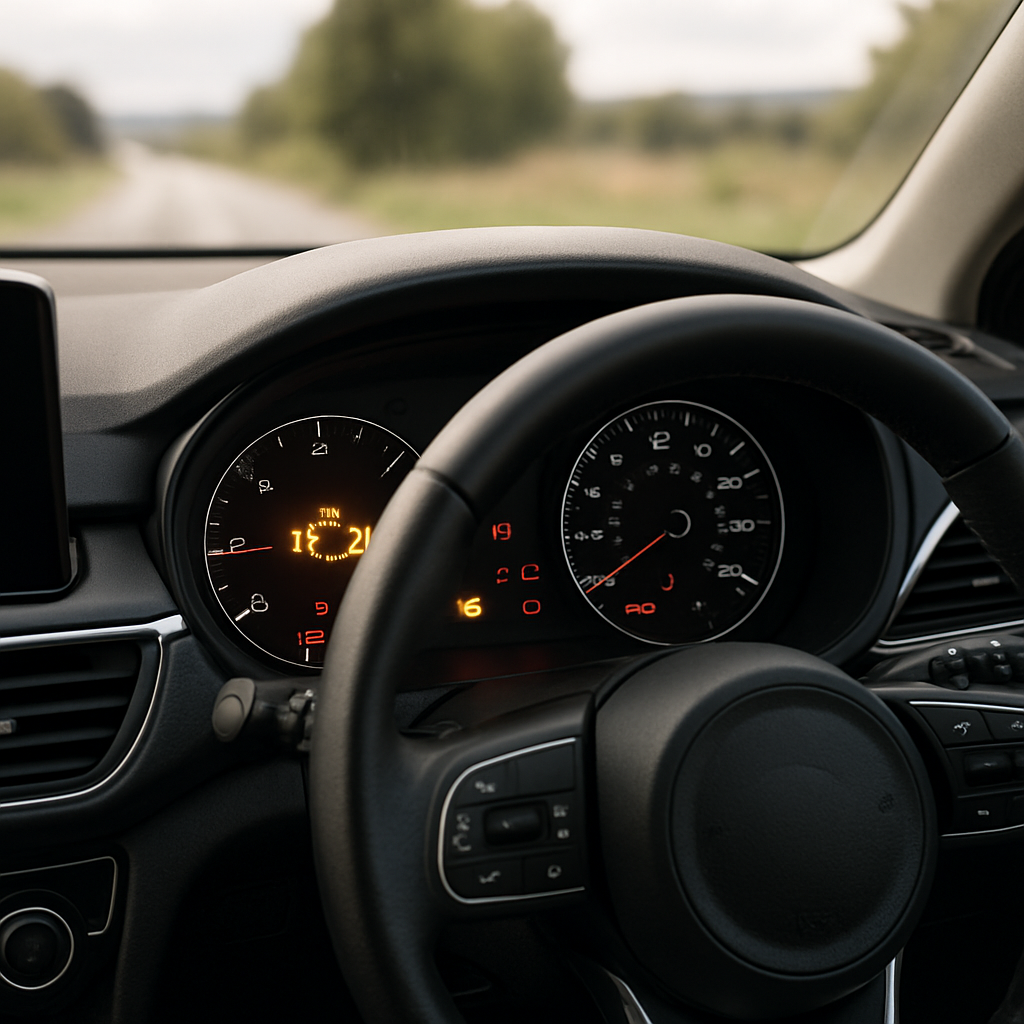
Understanding Dashboard Warning Lights And What To Do Next
Your car's dashboard is designed to keep you informed about its health and performance. Warning lights can indicate a range of issues, from minor inconveniences to serious problems that could affect your safety on the road. Knowing what each light means and the appropriate actions to take can save you time, money, and potentially prevent accidents.
Common Dashboard Warning Lights
Here are some of the most common dashboard warning lights you may encounter:
- Check Engine Light: This light can indicate a range of issues, from a loose fuel cap to a serious engine problem.
- Oil Pressure Warning: If this light illuminates, it may mean that your oil pressure is low, which can lead to severe engine damage.
- Battery Warning: Indicates that your car’s battery is not charging properly. This could be due to a faulty alternator or battery.
- Brakes Warning: This light can signal low brake fluid or an issue with the braking system.
- ABS Warning: If this light comes on, it indicates a problem with the Anti-lock Braking System, which may affect your vehicle's braking performance.
What to Do When a Warning Light Comes On
When a warning light appears, it’s essential to respond appropriately:
- Check Your Owner’s Manual: Your vehicle's handbook contains specific information about each warning light and recommended actions.
- Assess the Situation: Consider the severity of the warning light. Some lights indicate urgent issues, while others may be less critical.
- Perform Basic Checks: For example, if the oil pressure light is on, check your oil level. If the coolant light is illuminated, inspect coolant levels.
Seasonal Considerations for UK Drivers
In the UK, seasonal conditions can affect your vehicle's performance. Cold weather can thicken engine oil, making it crucial to keep an eye on your oil pressure light. Additionally, wet conditions can increase the likelihood of brake issues, so it's wise to check your brakes regularly, especially before winter.
Regular servicing is also vital, as it helps ensure your vehicle remains roadworthy and passes the annual MOT (Ministry of Transport) test. An MOT failure can lead to costly repairs and is a legal requirement for vehicles over three years old in the UK.
When to Book a Mechanic
While some dashboard lights may be resolved through basic checks, others indicate that professional assistance is necessary. Consider booking a mechanic in the following situations:
- If the Check Engine Light is flashing, this often indicates a serious issue that requires immediate attention.
- If the Oil Pressure Warning light stays on after checking your oil level, this could mean a more severe problem.
- If you notice any unusual noises or smells accompanying a warning light, it's best to consult a professional.
Costs for diagnostics can vary but expect to pay between £50 to £100 for a mechanic to diagnose the issue. Repair costs will depend on the specific problem but can range from £100 for minor fixes to over £1,000 for significant repairs.
Conclusion: Staying Informed and Proactive
Understanding your dashboard warning lights is crucial for maintaining your vehicle's health and ensuring your safety on the road. Regular checks, adhering to service intervals, and being aware of seasonal impacts can help you stay ahead of potential issues. Remember, your owner's manual is your best resource for specific guidance tailored to your vehicle.
By staying informed and proactive, you can make confident decisions about your vehicle and avoid unexpected breakdowns or costly repairs.
UK ownership context
If this issue affects visibility, braking, tyres, emissions or warning lights, treat it as a roadworthiness item and sort it before an MOT or any longer journey.
For many drivers, the most useful benchmark is not a generic internet interval but the manufacturer schedule, recent MOT advisories and the pattern of local driving the vehicle sees each week.
Useful next steps with Motoryst
Use the tools below to turn this advice into a practical next step.
- Store and organise your service history
- Run a vehicle history check before buying
- Compare warranty cover options
- Estimate current vehicle value
Useful UK references
- DVSA and GOV.UK guidance on MOT preparation
- Check previous MOT advisories and failures
- Use the vehicle owner's handbook and manufacturer service schedule for model-specific intervals, fluids and warning-light guidance.