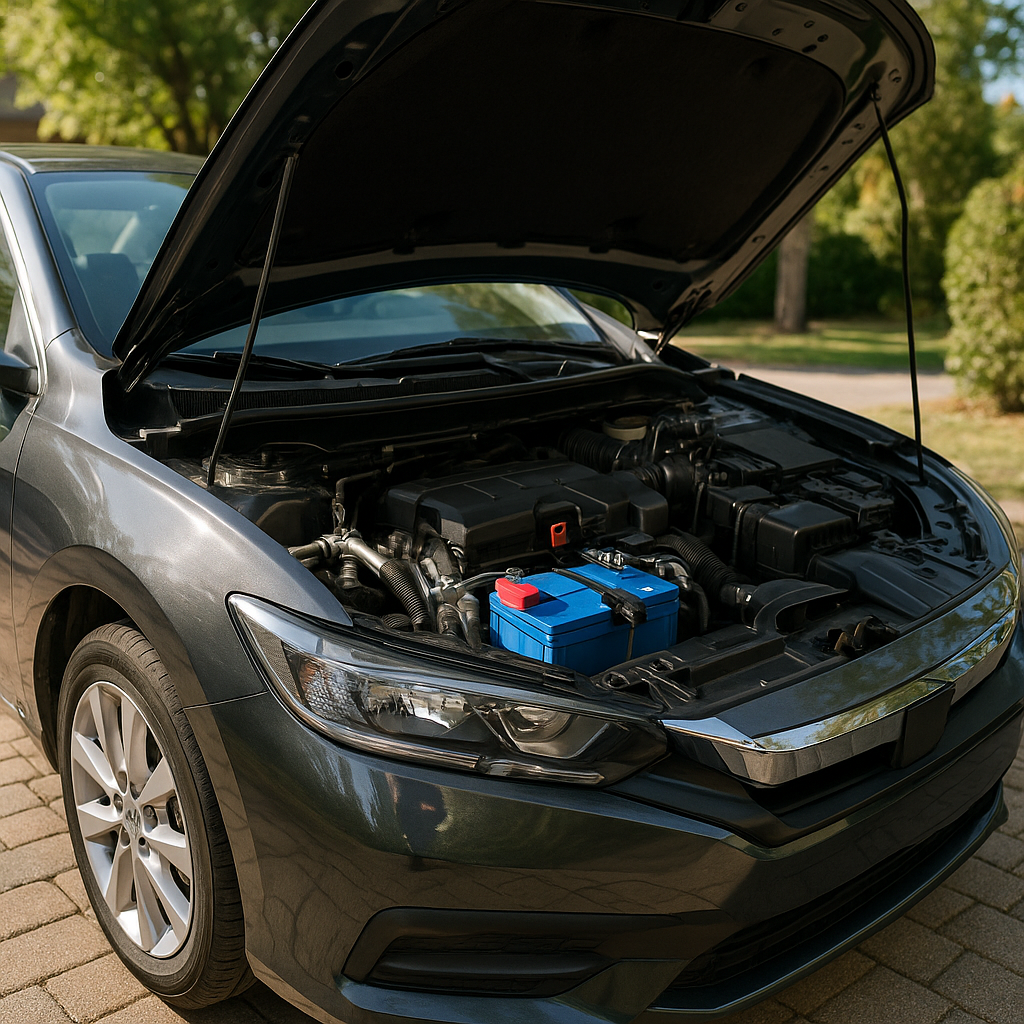
Top Causes Of Battery Drain In Modern Cars
In today’s technologically advanced cars, a reliable battery is essential for optimal performance. With the increase in electronic systems, battery drain has become a common concern for drivers. Understanding the top causes of battery drain can help you take preventive measures and ensure your vehicle remains roadworthy, especially as we approach the MOT season.
Common Causes of Battery Drain
Battery drain can occur for a variety of reasons, often linked to the components and systems within your vehicle. Here are some of the primary culprits:
- Parasitic Draw: This occurs when electrical components continue to consume power even after the engine is off. Common offenders include interior lights, trunk lights, and aftermarket devices.
- Faulty Alternator: The alternator is responsible for charging the battery while the engine runs. If it’s malfunctioning, the battery may not receive the necessary charge.
- Age of the Battery: Over time, batteries lose their ability to hold a charge. Most car batteries last between three to five years, depending on usage and conditions.
- Extreme Weather: Cold temperatures can significantly affect battery performance. In winter, a battery can lose up to 35% of its capacity, while hot weather can cause it to evaporate fluid and lead to battery failure.
- Electrical Faults: Wiring issues or short circuits can lead to excessive drain. This is often harder to diagnose without professional help.
Symptoms of Battery Drain
Recognising the signs of battery drain early can save you time and money. Here are some symptoms to watch for:
- Dim headlights or dashboard lights when the engine is off.
- Difficulty starting the engine, including slow cranking.
- Frequent need to jump-start the battery.
- Unusual electrical behaviour, such as flickering lights or malfunctioning electronic systems.
Practical Checks to Perform
As a proactive driver, you can perform a few simple checks to identify potential battery drain issues:
- Inspect Battery Connections: Ensure that battery terminals are clean and securely connected. Corrosion can impede performance.
- Check for Parasitic Draw: Use a multimeter to measure current draw from the battery when the vehicle is off. A draw over 50 milliamps may indicate an issue.
- Monitor Battery Age: Check the manufacture date on your battery. If it’s nearing the three to five-year mark, consider a replacement.
- Examine Electrical Components: Look for any lights that may be left on, such as glove box or boot lights. Also, ensure that aftermarket devices are properly installed.
Seasonal Considerations
In the UK, seasonal conditions can significantly impact battery performance. During the winter months, frost and freezing temperatures can lead to increased battery drain. It's advisable to have your battery tested before the onset of cold weather. Similarly, during summer, extreme heat can accelerate battery fluid evaporation. Regular checks and maintenance can help mitigate these seasonal effects.
Impact on Ownership Costs
Battery issues can have a direct impact on the overall cost of vehicle ownership. Frequent jump-starts or battery replacements can lead to additional expenses. Moreover, if a faulty battery leads to breakdowns, you may incur recovery costs. Keeping your battery in good condition is not only essential for reliability but can also save you money in the long run.
When to Book a Mechanic
If you’ve performed the checks above and still experience battery drain, it’s time to consult a professional. Here are some indicators that suggest you should book a mechanic:
- Persistent issues with starting your vehicle despite a new battery.
- Unexplained electrical faults that you cannot diagnose.
- Signs of corrosion or damage to the battery or wiring.
- Any unusual smells, such as a rotten egg odour, which can indicate battery failure.
The cost of a mechanic’s service can vary widely, typically ranging from £50 to £120 per hour, depending on the complexity of the issue and the garage's location. A full battery diagnostic test may cost around £30 to £60, while a battery replacement can range from £70 to £150, depending on the make and model of your vehicle.
Conclusion
Understanding the top causes of battery drain can help you maintain your vehicle's reliability and performance. Regular checks, especially before the winter months, can save you from unexpected breakdowns and additional costs. If in doubt, don't hesitate to reach out to a qualified mechanic for assistance.
UK ownership context
Use your owner's handbook and service schedule as the starting point, then adapt the timing to UK stop-start traffic, colder months and the mileage your car actually covers.
For many drivers, the most useful benchmark is not a generic internet interval but the manufacturer schedule, recent MOT advisories and the pattern of local driving the vehicle sees each week.
Useful next steps with Motoryst
Use the tools below to turn this advice into a practical next step.
- Store and organise your service history
- Run a vehicle history check before buying
- Compare warranty cover options
- Estimate current vehicle value
Useful UK references
- DVSA and GOV.UK guidance on MOT preparation
- Check previous MOT advisories and failures
- Use the vehicle owner's handbook and manufacturer service schedule for model-specific intervals, fluids and warning-light guidance.