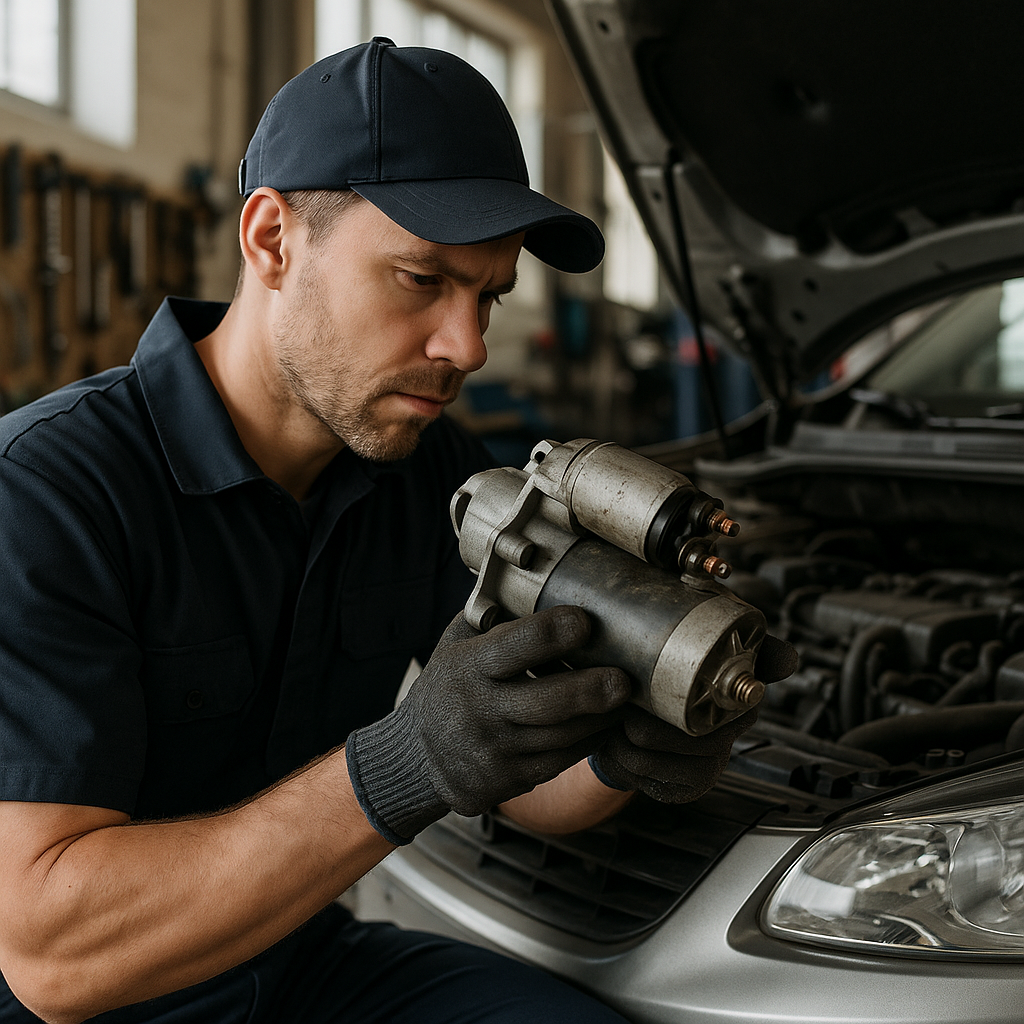
How To Diagnose Common Starter Motor Problems
In the UK, a reliable starter motor is essential for any vehicle owner. It plays a crucial role in your car's ability to start and run smoothly. As part of regular vehicle maintenance, especially in preparation for the MOT, understanding how to diagnose common starter motor problems can save you time and money.
The starter motor is an electric motor that engages the engine's flywheel, allowing the engine to start. If you're experiencing issues, there are several symptoms to watch for. Identifying these problems early can help maintain roadworthiness and avoid costly repairs.
Common Symptoms of Starter Motor Problems
When your starter motor begins to fail, you may notice one or more of the following symptoms:
- Clicking Sound: A single click or a series of clicks when turning the key often indicates a malfunction.
- No Sound: If there's complete silence when you turn the ignition, the starter motor may not be receiving power.
- Slow Cranking: If the engine turns over slowly, it could be a sign of a weak starter or battery issue.
- Intermittent Starting: If the engine starts sometimes and not others, the starter could be failing.
Initial Checks to Perform
Before heading to a garage, there are some straightforward checks you can carry out yourself:
- Battery Condition: Check the battery terminals for corrosion and ensure the battery is fully charged. A weak battery is often misdiagnosed as a starter issue.
- Fuses: Inspect the relevant fuses related to the starter motor. A blown fuse could prevent the starter from receiving power.
- Wiring and Connections: Examine the wiring and connections at the starter motor. Look for loose or damaged wires that could disrupt the electrical flow.
- Neutral Safety Switch: If your vehicle has an automatic transmission, ensure it is in 'Park' or 'Neutral'. A faulty neutral safety switch can prevent the starter from engaging.
Seasonal Considerations
In the UK, seasonal changes can impact starter motor performance. Cold weather can reduce battery efficiency, making it harder for the starter motor to function. Regular maintenance checks during winter months are crucial, especially before the colder months when you might encounter frost or snow.
When to Seek Professional Help
While some checks can be performed at home, there are situations where it’s best to consult a mechanic:
- If you’ve checked the battery and fuses and the issue persists.
- When you notice unusual smells, such as burning or electrical odours.
- If you hear grinding noises when starting the engine.
- When the starter motor has been diagnosed as faulty, it’s crucial to replace it promptly to avoid being stranded.
Cost of Starter Motor Repairs
The cost of repairing or replacing a starter motor can vary significantly based on your vehicle's make and model, as well as the garage's location. On average, you might expect to pay between £100 and £300 for a replacement starter motor, including parts and labour. However, if additional electrical issues are present, costs can increase.
For accurate pricing, refer to your vehicle's owner's handbook for specific recommendations on starter motor maintenance and replacement intervals. Additionally, local garages often provide free quotes, which can help you budget accordingly.
Conclusion
Diagnosing starter motor problems early can help you avoid the inconvenience of a car that won’t start and the associated costs. By performing initial checks, being aware of symptoms, and knowing when to book a mechanic, you can keep your vehicle in top condition. Always consult your owner's handbook and rely on DVSA guidance for best practices regarding vehicle maintenance.
UK ownership context
If this issue affects visibility, braking, tyres, emissions or warning lights, treat it as a roadworthiness item and sort it before an MOT or any longer journey.
For many drivers, the most useful benchmark is not a generic internet interval but the manufacturer schedule, recent MOT advisories and the pattern of local driving the vehicle sees each week.
When to book a mechanic
Book an inspection promptly if the issue is getting worse, warning lights remain on, you notice fluid loss, unusual vibration, repeated starting problems, overheating, or any change that affects braking, steering, visibility or emissions.
Getting a workshop to confirm the cause early is usually cheaper than waiting until a minor wear item creates secondary damage elsewhere.
Useful next steps with Motoryst
Use the tools below to turn this advice into a practical next step.
- Check compliance and road-use related details
- Store and organise your service history
- Run a vehicle history check before buying
- Compare warranty cover options
Useful UK references
- DVSA and GOV.UK guidance on MOT preparation
- Check previous MOT advisories and failures
- Use the vehicle owner's handbook and manufacturer service schedule for model-specific intervals, fluids and warning-light guidance.