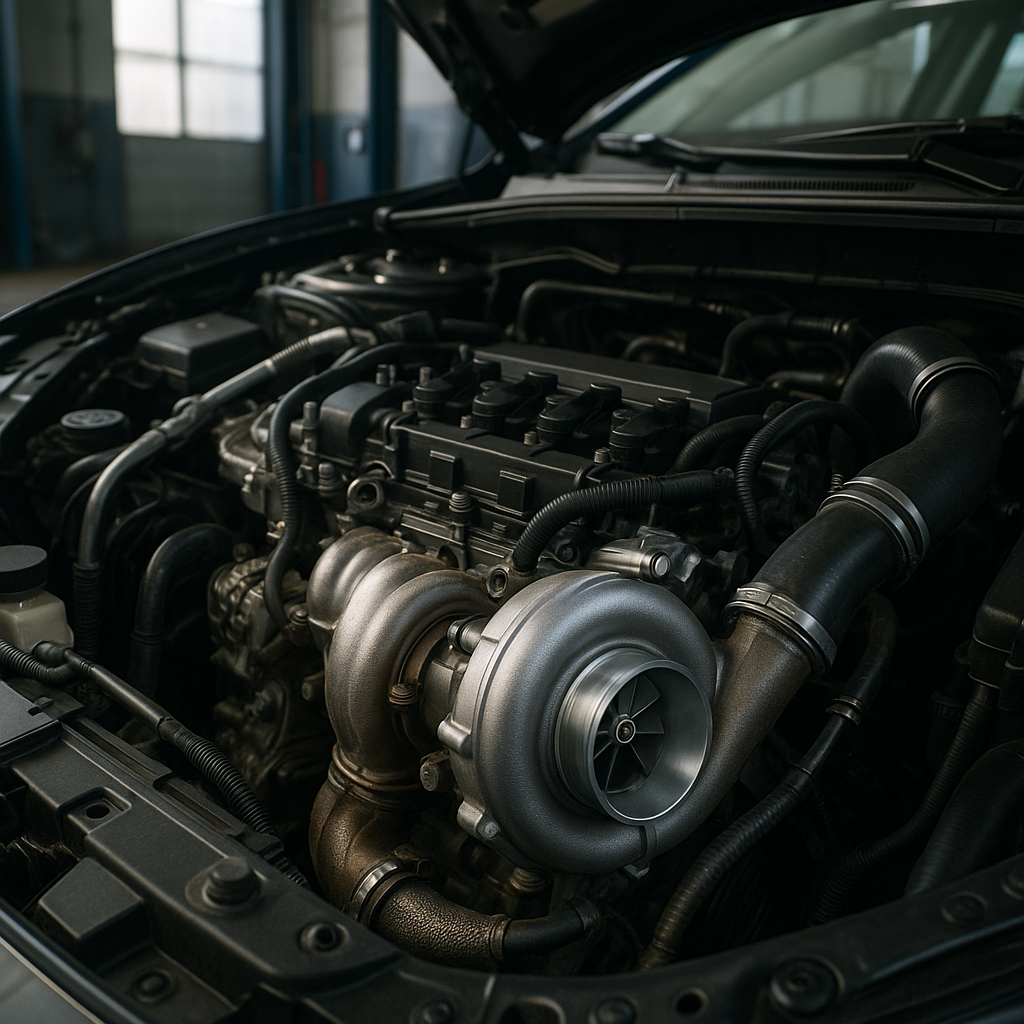
The Importance of a Healthy Turbocharger
Turbochargers play a critical role in enhancing the performance of modern vehicles. They increase engine efficiency and power output by forcing more air into the combustion chamber. However, like any component, they can experience issues that may lead to significant performance degradation or even complete failure. Regular checks and maintenance are essential not only for performance but also for ensuring your vehicle passes its MOT and remains roadworthy.
In the UK, the MOT test examines various aspects of your vehicle, including emissions and overall functionality. A faulty turbocharger can lead to increased emissions, which may jeopardise your vehicle's MOT status. Therefore, being proactive about identifying issues can save you from costly repairs and ensure compliance with regulations.
Common Turbocharger Warning Signs
Being aware of the common warning signs of turbocharger failure can help you address issues before they escalate. Here are some symptoms to watch for:
- Loss of Power: If you notice a significant drop in acceleration or engine responsiveness, it could indicate turbocharger failure.
- Unusual Noises: Whining, rattling, or hissing sounds coming from the engine bay can signal turbocharger problems.
- Excessive Exhaust Smoke: Blue or black smoke from the exhaust may suggest oil leaks or fuel issues related to the turbocharger.
- Check Engine Light: If this warning light illuminates, it could be linked to turbocharger performance issues.
Practical Checks for Drivers
As a responsible vehicle owner, you can perform some basic checks to identify potential turbocharger issues. Here’s a practical checklist:
- Listen for Noises: Start your engine and listen for any unusual sounds, particularly when accelerating.
- Inspect for Leaks: Check for oil or coolant leaks around the turbocharger. A small puddle of oil can indicate a problem.
- Monitor Exhaust Emissions: Pay attention to the colour of the exhaust smoke. Blue smoke may indicate oil burning, while black smoke suggests too much fuel.
- Check Boost Pressure: If you have a boost gauge, monitor the pressure while driving. Inconsistent readings could point to a failing turbo.
Seasonal Considerations
In the UK, seasonal changes can also affect your turbocharger's performance. Cold weather can lead to oil thickening, which may impede the turbo's ability to function effectively. Regular servicing, ideally every 12,000 miles or as per your manufacturer's schedule, is essential to ensure that the turbocharger and engine oil remain in good condition.
Additionally, if you drive in harsher conditions, such as during winter or in heavy traffic, consider checking your turbocharger more frequently. This can help mitigate wear and tear and ensure optimal performance.
When to Book a Mechanic
If you notice any of the warning signs outlined above, it is crucial to consult a qualified mechanic. Here are some specific scenarios where you should book an appointment:
- If you experience a significant loss of power that affects your ability to drive safely.
- When unusual noises persist, especially if they worsen over time.
- If your vehicle emits excessive smoke, indicating a potential oil or fuel issue.
- When the check engine light remains illuminated after addressing minor issues.
In terms of cost, diagnosing a turbocharger issue can range from £50 to £150, depending on the mechanic and location. If repairs are needed, costs can vary significantly based on the extent of the damage. Minor repairs might cost around £200 to £400, while a full turbocharger replacement can range from £1,000 to £2,500, including parts and labour.
Conclusion
Turbochargers are vital for your vehicle's performance and efficiency. By being vigilant and recognising the common warning signs, you can take proactive steps to address any issues before they escalate. Regular maintenance, coupled with timely inspections, will not only help you avoid costly repairs but also ensure your car remains compliant with UK roadworthiness standards.
Always refer to your owner’s handbook for specific maintenance schedules and consult with a trusted mechanic for any concerns regarding your turbocharger.
UK ownership context
Use your owner's handbook and service schedule as the starting point, then adapt the timing to UK stop-start traffic, colder months and the mileage your car actually covers.
For many drivers, the most useful benchmark is not a generic internet interval but the manufacturer schedule, recent MOT advisories and the pattern of local driving the vehicle sees each week.
Useful next steps with Motoryst
Use the tools below to turn this advice into a practical next step.
- Store and organise your service history
- Run a vehicle history check before buying
- Compare warranty cover options
- Estimate current vehicle value
Useful UK references
- DVSA and GOV.UK guidance on MOT preparation
- Check previous MOT advisories and failures
- Use the vehicle owner's handbook and manufacturer service schedule for model-specific intervals, fluids and warning-light guidance.