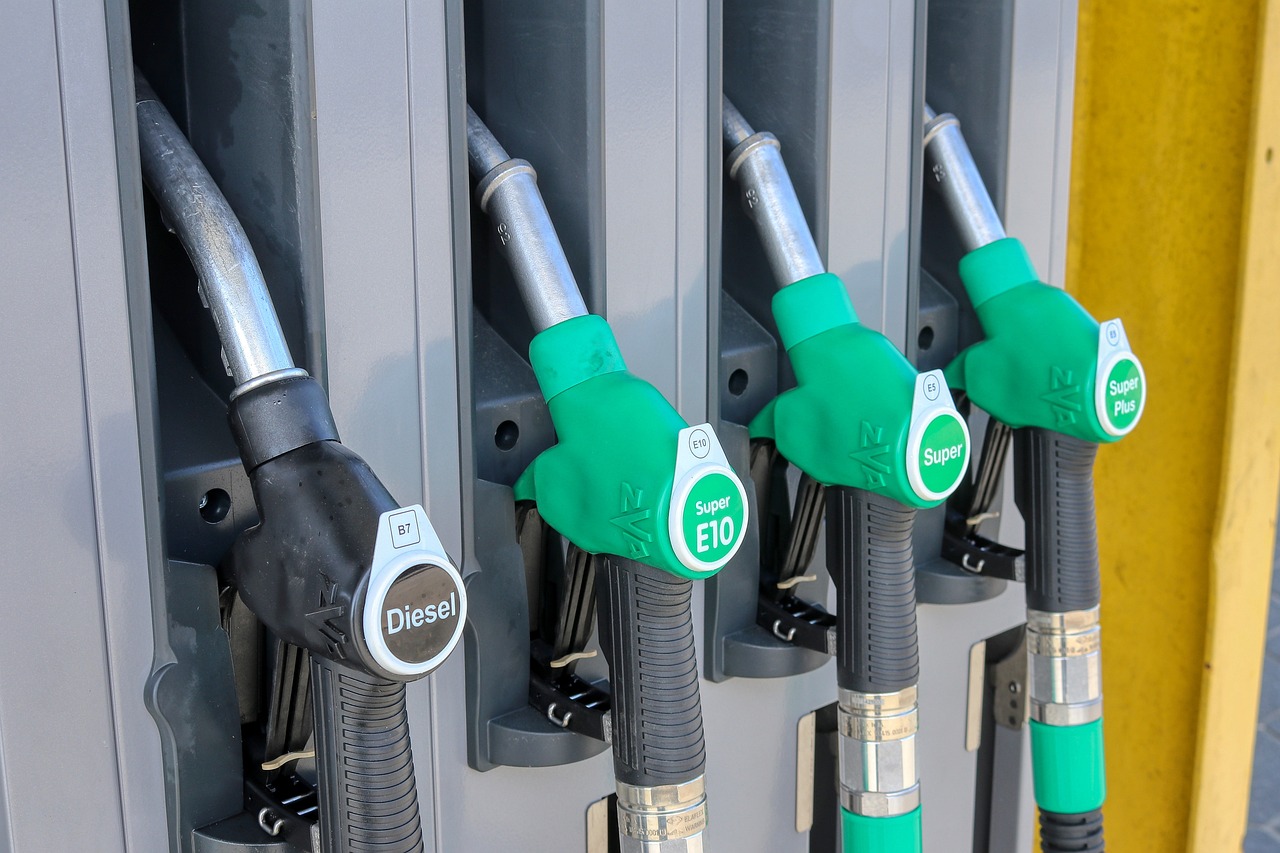
In the realm of automotive choices, the debate between diesel and petrol cars has long been a topic of discussion among drivers. Each type of fuel has its own set of advantages and drawbacks, making the decision between the two an important one for potential car buyers. In this blog, we'll explore the key differences between diesel and petrol cars, helping you navigate through the complexities and make a well-informed decision.
1. Performance and Driving Experience
One of the most noticeable differences between diesel and petrol cars lies in their driving characteristics. Petrol engines tend to deliver smoother acceleration and a more responsive driving experience, particularly at lower speeds. On the other hand, diesel engines typically offer more low-end torque, making them ideal for towing and hauling heavy loads. However, diesel engines may feel less refined and noisier compared to their petrol counterparts.
2. Fuel Efficiency
Fuel efficiency is a major consideration for many drivers, as it directly impacts running costs and environmental footprint. Historically, diesel engines have been lauded for their superior fuel efficiency, especially on long highway journeys. However, advancements in petrol engine technology, such as turbocharging and direct injection, have narrowed the gap in recent years. Additionally, the availability of hybrid petrol cars further enhances fuel efficiency and reduces overall emissions.
3. Environmental Impact
The environmental impact of diesel and petrol cars is a significant factor to consider, particularly in light of growing concerns about air quality and climate change. Diesel engines typically emit less carbon dioxide (CO2) per kilometer driven compared to petrol engines, making them more fuel-efficient in terms of greenhouse gas emissions. However, diesel engines also produce higher levels of nitrogen oxides (NOx) and particulate matter, which contribute to air pollution and adverse health effects.
Petrol engines, while emitting more CO2 than diesel engines, have seen substantial improvements in emissions control technology, resulting in cleaner exhaust emissions. Additionally, the rise of electric and hybrid petrol vehicles offers a promising solution for reducing overall emissions and dependence on fossil fuels.
4. Maintenance and Longevity
Another aspect to consider is the maintenance requirements and longevity of diesel and petrol cars. Diesel engines are known for their robust construction and durability, often requiring less frequent maintenance compared to petrol engines. However, diesel engines may be more expensive to repair when issues arise, and they may suffer from reliability issues associated with complex emissions control systems.
Petrol engines, while generally more affordable to maintain, may require more frequent servicing, including spark plug replacements and regular tune-ups. However, advancements in petrol engine design and materials have improved their reliability and longevity over the years.
5. Fuel Costs and Availability
Fuel costs and availability play a significant role in the overall ownership experience of a car. Historically, diesel fuel has been priced lower than petrol in many regions, making diesel cars more economical to run in terms of fuel costs. However, fluctuations in fuel prices and changes in government policies can impact the cost competitiveness of diesel versus petrol vehicles.
Additionally, the availability of diesel and petrol fuel stations may vary depending on your location, particularly in rural areas or remote regions. It's essential to consider fuel availability and accessibility, especially if you frequently travel long distances or live in areas with limited infrastructure.
Conclusion
In conclusion, the choice between a diesel and a petrol car involves weighing various factors such as performance, fuel efficiency, environmental impact, maintenance costs, and fuel availability. Ultimately, there is no one-size-fits-all answer, as the best option depends on your individual preferences, driving habits, and budget constraints. With the ongoing evolution of automotive technology and the emergence of alternative fuel options, it's essential to stay informed and consider all available options before making a decision. Whether you opt for the efficiency of a diesel engine or the refinement of a petrol engine, choosing the right car is a personal decision that should align with your needs and values.