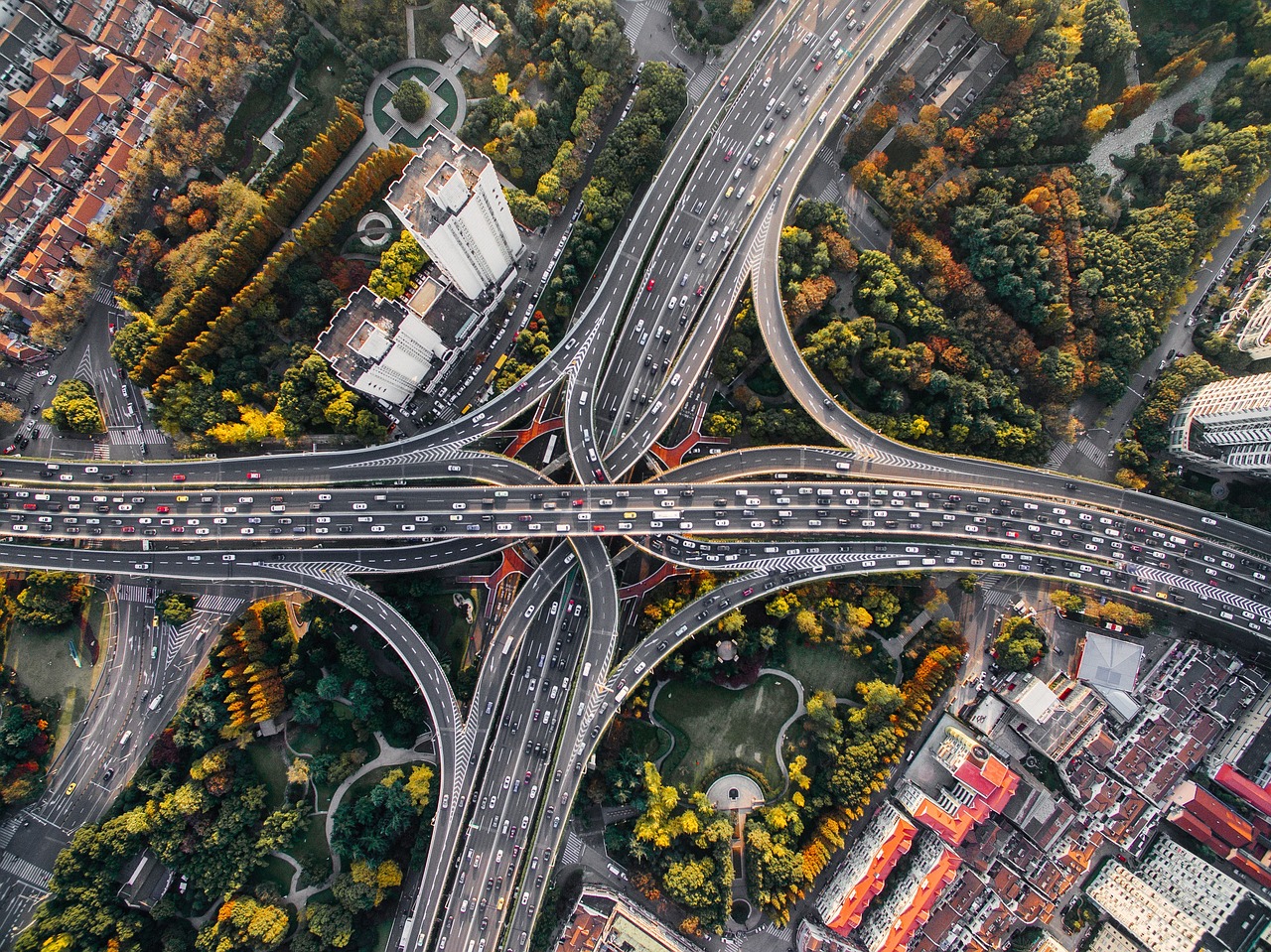
In today's world, the impact of human activities on the environment is more evident than ever. As responsible citizens, it's crucial for us to look for ways to reduce our ecological footprint and preserve the planet for future generations. While owning and driving a car is a necessity for many people, there are several ways car drivers can contribute to environmental conservation. Let's explore some practical tips on how car drivers can help protect the environment:
1. Choose Fuel-Efficient Vehicles:
When purchasing a new car, consider opting for a fuel-efficient model or even better, an electric vehicle (EV). Electric cars produce zero tailpipe emissions and significantly reduce greenhouse gas emissions compared to traditional gasoline-powered vehicles.
2. Maintain Your Vehicle:
Regular maintenance, such as keeping tires properly inflated, changing air filters, and performing tune-ups, can improve fuel efficiency and reduce emissions. A well-maintained vehicle operates more efficiently and consumes less fuel, which translates to lower environmental impact.
3. Carpool and Share Rides:
Whenever possible, carpooling or ridesharing with friends, coworkers, or neighbors can help reduce the number of vehicles on the road. Fewer cars mean less traffic congestion, lower fuel consumption, and reduced air pollution.
4. Combine Trips:
Plan your errands efficiently to minimize the number of separate trips you need to make. Combining multiple errands into one outing can help save fuel and reduce emissions by avoiding unnecessary driving.
5. Practice Eco-Driving:
Adopting eco-driving techniques such as gentle acceleration, maintaining a steady speed, and avoiding aggressive driving behaviors can improve fuel efficiency and reduce carbon emissions. Smooth driving not only saves fuel but also enhances road safety.
6. Reduce Idling:
Avoid unnecessary idling, such as waiting in parked cars with the engine running. Idling wastes fuel and emits pollutants into the atmosphere. Turn off your engine if you anticipate being stationary for more than a minute.
7. Use Public Transportation:
Whenever feasible, consider using public transportation options such as buses, trains, or subways. Public transit produces fewer emissions per passenger mile compared to individual car trips, making it a more environmentally friendly choice.
8. Promote Active Transportation:
Walking or cycling for short trips not only reduces carbon emissions but also provides health benefits. Support infrastructure improvements such as bike lanes and pedestrian-friendly paths to encourage more people to choose active transportation.
9. Opt for Sustainable Fuels:
If you have a flex-fuel vehicle or access to alternative fuels such as biodiesel or ethanol, consider using them as more sustainable alternatives to conventional gasoline or diesel. These fuels often have lower carbon footprints and can help reduce dependence on fossil fuels.
10. Offset Your Carbon Footprint:
Consider investing in carbon offset programs to compensate for the emissions generated by your vehicle. Carbon offsets support projects such as reforestation, renewable energy development, and methane capture, which help mitigate climate change.
11. Educate Yourself and Others:
Stay informed about environmental issues related to transportation and share your knowledge with others. Encourage friends, family, and colleagues to adopt environmentally friendly driving practices and make conscious choices when it comes to transportation.
Conclusion:
As car drivers, we have a responsibility to minimize our environmental impact and contribute to a sustainable future. By choosing fuel-efficient vehicles, practicing eco-driving techniques, carpooling, using public transportation, and supporting alternative fuels, we can all play a part in reducing carbon emissions and protecting the planet. Let's commit to driving towards a greener future for generations to come.