Sudden car tire blowout can be a frightening experience for any driver. It can happen unexpectedly, causing panic and potential danger on the road. However, understanding what a tire blowout is, how to prevent it, and what to do if it occurs can help drivers stay safe and maintain control in such a situation
What is a Tire Blowout?
A tire blowout is a sudden loss of air pressure in a tire, often resulting from a combination of factors such as overloading, underinflation, or external damage. When a tire blows out, it can cause a loud noise, a sudden jolt, and a loss of control over the vehicle.
Prevention is Key
1. Regular Tire Maintenance:
Regular tire maintenance is essential to prevent blowouts. This includes checking tire pressure, rotating tires, and aligning the wheels as recommended by the vehicle manufacturer.
2. Proper Inflation:
Maintaining the correct tire pressure is crucial. Underinflated or overinflated tires are more susceptible to blowouts. Refer to your vehicle's manual for the recommended tire pressure and check it regularly.
3. Check for Damages:
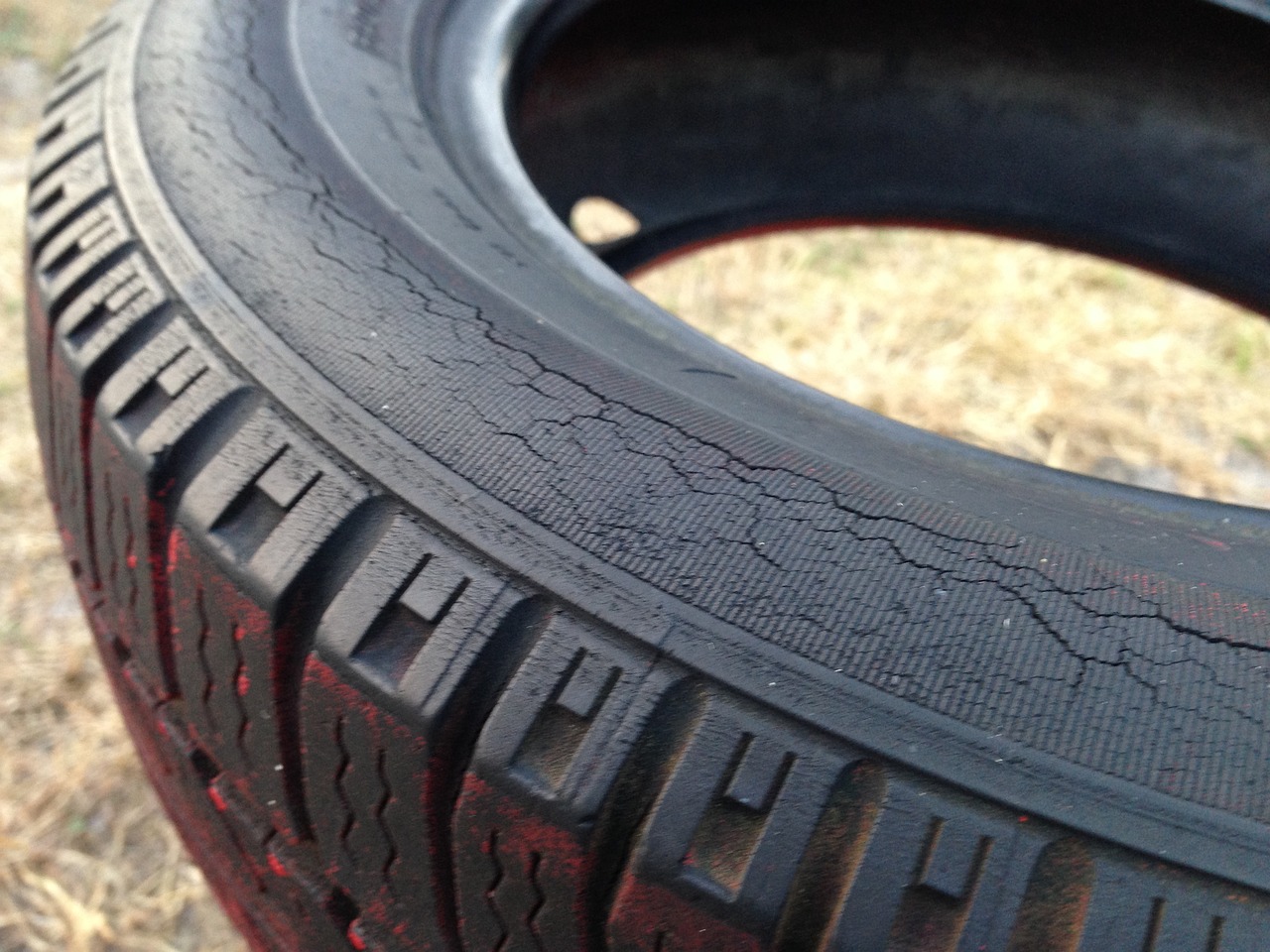
Regularly inspect your tires for any signs of damage, such as cuts, punctures, bulges, or cracks. If you notice any of these issues, replace the tire immediately.
4. Load Capacity:
Avoid overloading your vehicle beyond its specified load capacity. Overloading puts excess stress on the tires and increases the risk of a blowout.
Dealing with a Tire Blowout
1. Stay Calm:
If you experience a tire blowout, the first and most crucial step is to stay calm. Keep a firm grip on the steering wheel and avoid sudden movements.
2. Gradually Reduce Speed:
Gradually reduce your speed by gently releasing the accelerator pedal. Do not slam on the brakes, as this can cause loss of control.
3. Steer Straight:
Maintain a straight line as best as possible, even if the vehicle pulls to one side. Gently steer the vehicle in the direction you want to go.
4. Pull Over Safely:
Once you have stabilized the vehicle, find a safe spot to pull over and stop. Use your hazard lights to warn other drivers.
5. Change the Tire:
If you have the necessary tools and knowledge, change the damaged tire with a spare one. If not, call for roadside assistance.
Final Thoughts
Preventing tire blowouts is largely about regular maintenance and responsible driving. Being proactive in maintaining your tires, staying informed about your vehicle's specifications, and knowing how to react in the event of a blowout can go a long way in ensuring your safety on the road. Remember, staying calm and focused during a tire blowout is key to minimizing the potential dangers and safely handling the situation.