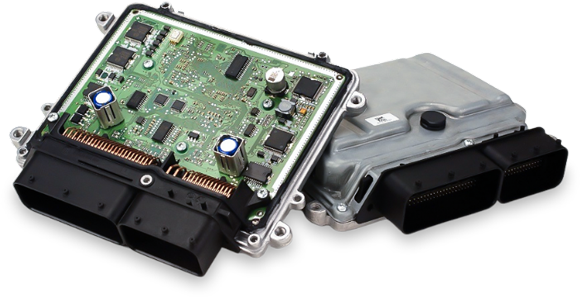
In the world of modern automobiles, hidden beneath the sleek exteriors and intricate machinery lies a digital brain that governs the vehicle's performance with remarkable precision. This brain is none other than the Engine Control Unit (ECU), a sophisticated computer system that plays a pivotal role in shaping the driving experience. Let's dive into the world of ECUs and unravel the mysteries behind these essential components of today's cars.
What is an ECU?
The Engine Control Unit, commonly referred to as the ECU, is a specialized computer that manages various aspects of an engine's operation. It serves as the central hub for monitoring and controlling critical functions, including fuel injection, ignition timing, emissions control, and more. Essentially, the ECU acts as the brain of the engine, constantly analyzing sensor data and making real-time adjustments to optimize performance, efficiency, and emissions.
How Does the ECU Work?
At the heart of the ECU lies a microprocessor, akin to the CPU of a computer, which executes a pre-programmed set of instructions known as the firmware. This firmware comprises sophisticated algorithms and logic designed by automotive engineers to regulate engine operation under diverse conditions.
The ECU gathers data from an array of sensors strategically positioned throughout the vehicle, such as the oxygen sensor, throttle position sensor, mass airflow sensor, and engine temperature sensor. These sensors provide vital information about factors like air intake, engine speed, coolant temperature, and exhaust composition.
Using this sensor data as input, the ECU continuously adjusts various parameters to ensure optimal engine performance and efficiency. For instance, it controls the air-fuel mixture ratio for combustion, adjusts ignition timing for optimal power delivery, and monitors exhaust emissions to comply with environmental regulations.
Evolution of ECUs
Over the years, ECUs have undergone significant advancements, evolving from simple standalone units to highly integrated systems with advanced capabilities. Early ECUs were primarily focused on basic engine management tasks, but modern vehicles feature sophisticated Engine Control Modules (ECMs) that oversee not only the engine but also transmission, traction control, stability control, and other vehicle subsystems.
Furthermore, the advent of electronic fuel injection (EFI) revolutionized engine management, replacing traditional carburetors with precise fuel delivery controlled by the ECU. This transition led to improved fuel efficiency, reduced emissions, and enhanced performance across the board.
Tuning and Customization
One of the fascinating aspects of ECUs is their potential for tuning and customization. Enthusiasts and professional tuners can reprogram the ECU's firmware to optimize performance according to specific preferences or requirements. This process, known as ECU tuning or remapping, involves modifying parameters such as fuel mapping, ignition timing, and turbo boost levels to unleash additional horsepower, torque, or fuel efficiency.
However, ECU tuning requires expertise and caution, as improper adjustments can lead to engine damage or void warranties. Consequently, it's essential to rely on reputable tuners who understand the intricacies of engine management and prioritize safety and reliability.
Conclusion
In essence, the Engine Control Unit serves as the digital brain that orchestrates the symphony of combustion within your car's engine. From regulating fuel delivery to fine-tuning ignition timing, the ECU plays a crucial role in shaping the driving experience, balancing performance, efficiency, and emissions with remarkable precision. As automotive technology continues to evolve, the ECU will remain a cornerstone of modern vehicle design, embodying the marriage of mechanical engineering and digital innovation.