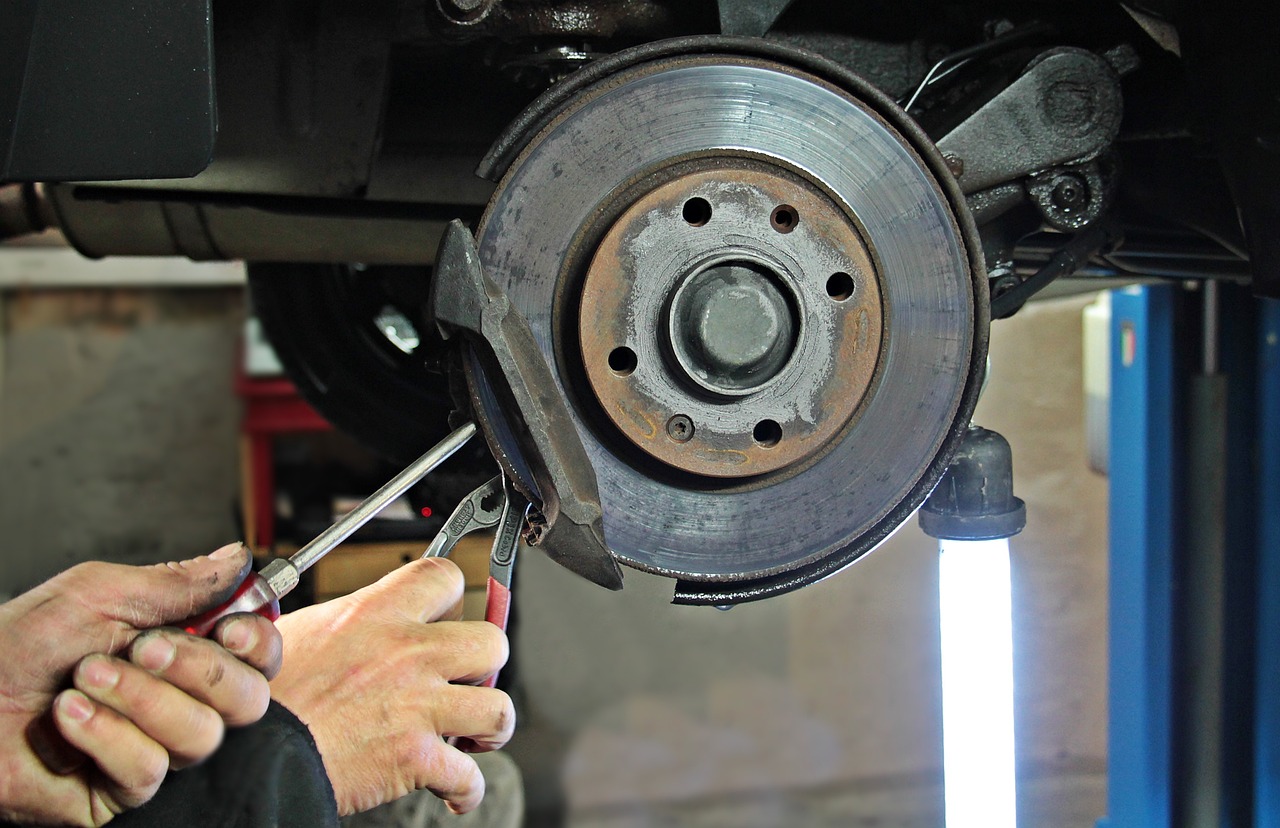
In the realm of automotive innovation, where every advancement inches us closer to safer, more efficient, and more enjoyable driving experiences, one technology stands out: drive-by-wire braking systems. While traditional braking systems have served us well for decades, the advent of drive-by-wire technology promises a paradigm shift in how we control and interact with our vehicles. Let's delve into the world of drive-by-wire braking systems to understand what they are, how they work, and what benefits they offer.
What is Drive-By-Wire Braking?
Drive-by-wire braking, often referred to as brake-by-wire, is a revolutionary braking system that replaces the traditional mechanical link between the brake pedal and the brake pads with electronic sensors and actuators. Instead of physically transferring force from the pedal to the brakes, drive-by-wire systems rely on electronic signals to control braking functions.
How Does It Work?
At the heart of a drive-by-wire braking system are sensors that detect the position and pressure applied to the brake pedal by the driver. These sensors send signals to an electronic control unit (ECU), which interprets the driver's input and determines the appropriate braking force required. The ECU then commands actuators to apply the brakes accordingly.
Unlike conventional braking systems, which rely on hydraulic pressure to transmit force to the brakes, drive-by-wire systems use electric actuators to modulate braking force. This allows for precise control and enables advanced features such as regenerative braking and brake blending, where the system seamlessly integrates regenerative and friction braking for optimal efficiency and performance.
Benefits of Drive-By-Wire Braking Systems
Enhanced Safety: By eliminating the mechanical linkages found in traditional braking systems, drive-by-wire technology reduces the risk of brake failure due to wear and tear. Additionally, these systems can incorporate advanced safety features such as autonomous emergency braking, collision avoidance, and stability control, further enhancing vehicle safety.
Improved Performance: Drive-by-wire braking systems offer faster response times and more precise control over braking force, leading to improved vehicle dynamics and handling. Drivers can experience smoother braking transitions and better modulation, especially in challenging driving conditions.
Efficiency and Environmental Benefits: The ability to integrate regenerative braking into drive-by-wire systems allows vehicles to recover energy during deceleration, reducing fuel consumption and emissions. This not only benefits the environment but also extends the range of electric and hybrid vehicles.
Design Flexibility: Without the need for bulky hydraulic components, drive-by-wire braking systems offer greater design flexibility for vehicle manufacturers. This can lead to lighter, more compact brake systems, contributing to overall vehicle weight reduction and improved fuel efficiency.
Challenges and Considerations
While drive-by-wire braking systems hold immense promise, they are not without challenges. One primary concern is the reliability and cybersecurity of electronic systems, as any malfunction or cyberattack could compromise vehicle safety. Additionally, there may be resistance from drivers accustomed to traditional braking systems, highlighting the importance of education and training in the transition to new technologies.
The Future of Braking
As automotive technology continues to evolve, drive-by-wire braking systems are poised to play a central role in shaping the future of mobility. With their potential to enhance safety, performance, and efficiency, these systems represent a significant step forward in the ongoing quest for innovation on the road.
In conclusion, drive-by-wire braking systems represent a transformative shift in automotive engineering, offering a glimpse into a future where vehicles are smarter, safer, and more sustainable than ever before. While there are challenges to overcome and adjustments to be made, the promise of enhanced safety, performance, and efficiency makes drive-by-wire technology an exciting development in the world of automotive design and engineering.