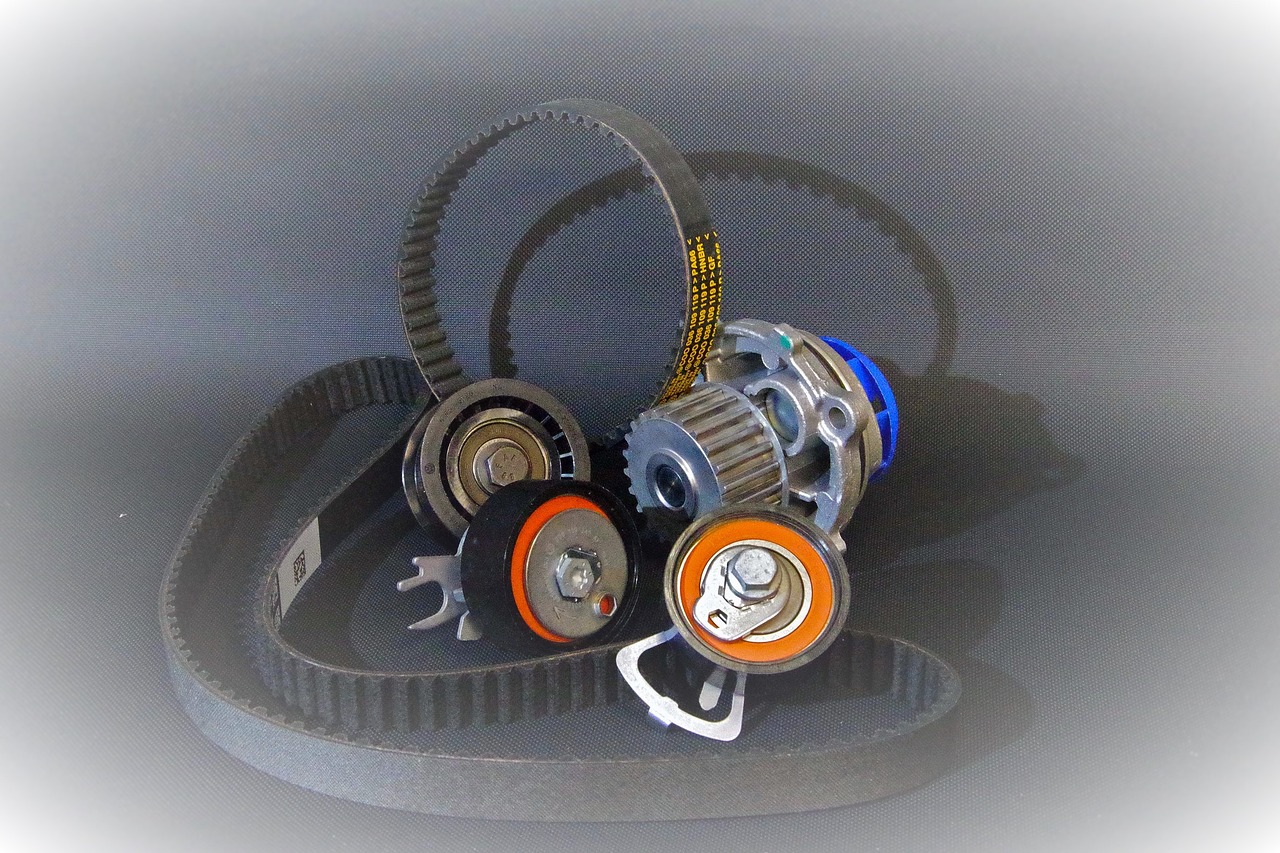
In the intricate symphony of mechanical parts that comprise an automobile engine, few components are as critical as the timing belt. Despite its relatively small size and inconspicuous presence, the timing belt plays a pivotal role in synchronizing the movements of the engine's crankshaft and camshaft. However, despite its importance, timing belts have a notorious reputation for failure, often leading to catastrophic consequences if not addressed promptly. So, what exactly causes these seemingly innocuous rubber bands to fail, and why should every car owner be wary of their condition?
The Anatomy of a Timing Belt:
Before delving into the reasons behind timing belt failures, it's essential to understand its function and construction. The timing belt is a toothed rubber belt that connects the crankshaft to the camshaft(s) in an engine, ensuring that the valves open and close at the precise moment in synchronization with the pistons' movement. This synchronization is crucial for the engine's proper operation, as any deviation can lead to valve-to-piston contact, resulting in severe damage to the engine.
Reasons for Timing Belt Failures:
Age and Wear:
Like any other rubber component, timing belts degrade over time due to exposure to heat, oil, and other environmental factors. As they age, the rubber becomes brittle, loses flexibility, and the teeth may start to crack or shear off. Manufacturers typically recommend replacing the timing belt at specific mileage intervals or after a certain number of years, typically around 60,000 to 100,000 miles, depending on the vehicle model.
Contamination:
Contamination by oil, coolant, or other fluids can significantly accelerate the deterioration of the timing belt. Leaks from neighboring components such as the water pump or camshaft seals can cause oil or coolant to seep onto the timing belt, compromising its integrity. Even small amounts of fluid can cause the rubber to swell or soften, leading to premature failure.
High Temperatures:
The engine's operating environment can subject the timing belt to high temperatures, especially in the vicinity of the exhaust manifold or turbocharger. Prolonged exposure to heat can cause the rubber to degrade more rapidly, increasing the likelihood of belt failure. Additionally, sudden temperature changes, such as those experienced during cold starts, can place additional stress on the belt, further exacerbating its wear and tear.
Tension and Misalignment:
Proper tension and alignment are critical for the longevity of a timing belt. If the belt is too loose, it may skip teeth or flutter at high speeds, leading to premature wear. Conversely, excessive tension can put undue stress on the belt and its components, accelerating their deterioration. Similarly, misalignment of the belt or pulleys can cause uneven wear and increase the risk of failure.
Poor Maintenance: Neglecting regular maintenance, such as failing to replace the timing belt according to the manufacturer's recommendations, can significantly increase the likelihood of failure. Routine inspections allow mechanics to identify signs of wear or damage early on and address them before they escalate into more significant issues.
The Importance of Timely Replacement:
Given the critical role that timing belts play in an engine's operation, timely replacement is paramount. Ignoring the manufacturer's recommendations or pushing the limits of a timing belt's lifespan is akin to playing Russian roulette with your engine. The cost of replacing a timing belt pales in comparison to the potential damage caused by a catastrophic failure, which can result in bent valves, damaged pistons, or even a seized engine.
Conclusion:
In the intricate dance of engine components, the timing belt is the conductor, ensuring that every movement occurs with precision and harmony. However, like any conductor, it is not immune to fatigue, wear, and the ravages of time. Understanding the factors that contribute to timing belt failures and adhering to a proactive maintenance schedule are essential for preserving the health and longevity of your engine. So, the next time your mechanic recommends replacing your timing belt, heed their advice—it could save you from a world of automotive woes.