Introduction:
In the world of vehicular safety, we often overlook one critical component that directly influences our ability to stop safely: tyre tread. While we may focus on high-tech braking systems and driver alertness, the condition of our tyres plays a pivotal role in determining braking distance. Let's dive into this often-underestimated aspect of road safety and understand how tyre tread affects braking distance.
Understanding Tyre Tread:
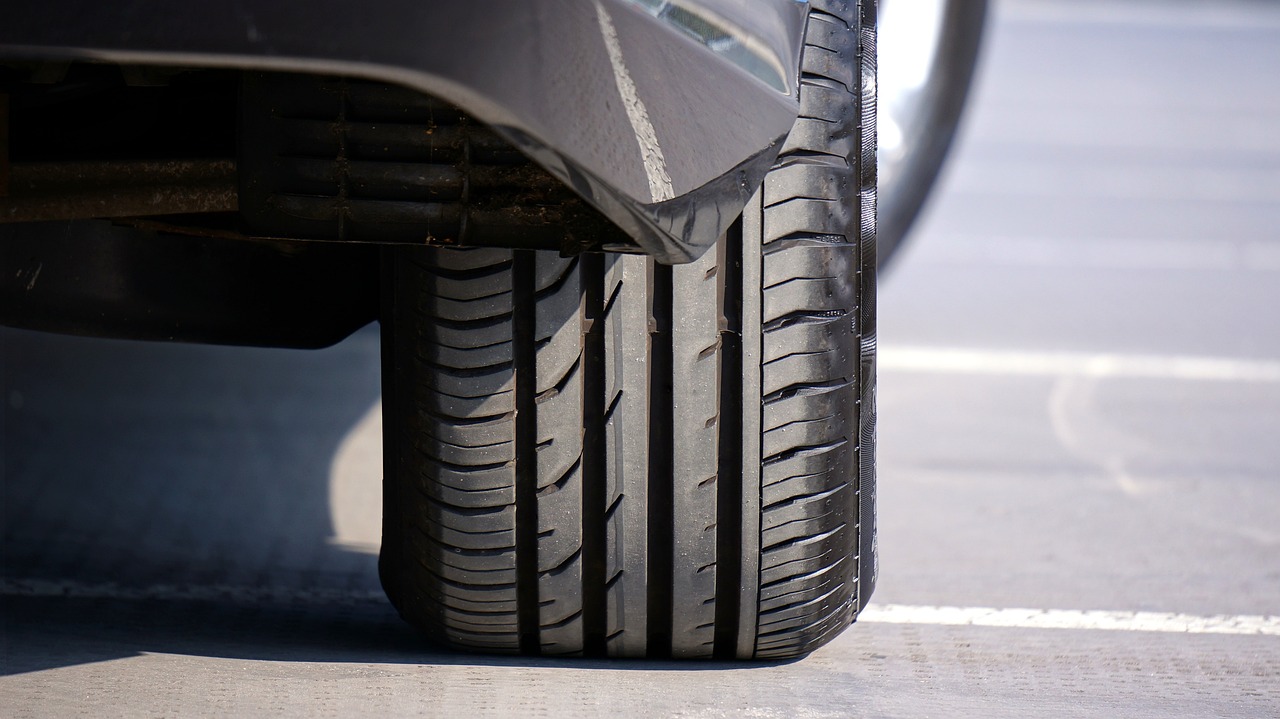
Tyre tread refers to the pattern of grooves and channels on the surface of a tyre that makes contact with the road. This design isn't just for aesthetics; it serves a vital purpose in maintaining traction and grip, especially in adverse weather conditions. Tread patterns vary based on the tyre's intended use, with designs optimized for wet roads, dry roads, off-road terrain, and more.
The Role of Tyre Tread in Braking:
When you hit the brakes, your tyres are the first point of contact with the road. The tread pattern serves to disperse water, snow, or debris, allowing the tyre to maintain a solid grip on the road surface. In wet conditions, a lack of adequate tread depth can lead to hydroplaning, where the tyre loses contact with the road and skims over the water's surface, drastically reducing braking effectiveness.
Effects of Worn Tyre Tread:
As tyres wear down over time, their tread depth diminishes. This wear occurs naturally through regular use and is exacerbated by factors such as improper inflation, alignment issues, and aggressive driving. A tyre with insufficient tread depth loses its ability to channel water away effectively, increasing the risk of hydroplaning and reducing overall grip.
Braking Distance and Tyre Tread:
The braking distance is the distance your vehicle travels from the moment you apply the brakes until it comes to a complete stop. It consists of two main components: the reaction distance (the distance traveled while the driver perceives the need to stop and actually engages the brakes) and the braking distance (the distance traveled while the vehicle decelerates to a stop).
In ideal conditions, with proper tyre tread depth and optimal braking systems, your vehicle can stop relatively quickly. However, as tyre tread wears down, braking distance increases. This means it takes longer for your vehicle to come to a halt after you hit the brakes, significantly impacting your ability to avoid collisions, especially in emergency situations.
The Importance of Regular Tyre Maintenance:
To ensure optimal braking performance and overall road safety, it's crucial to maintain your tyres properly. Regularly inspect your tyres for signs of wear, such as uneven tread wear, bald spots, or cracking. Additionally, check tyre pressure regularly and rotate your tyres according to the manufacturer's recommendations.
Replacing Tyres When Necessary:
When your tyres reach the minimum tread depth specified by law or the manufacturer, it's time to replace them. In many regions, the legal minimum tread depth is around 1.6 millimeters, but it's advisable to replace tyres before they reach this limit for optimal safety. Investing in new tyres may seem like an expense, but it's a small price to pay for the increased safety and peace of mind they provide.
Conclusion:
In the intricate web of factors influencing vehicular safety, tyre tread often goes unnoticed. Yet, it's a fundamental element that can make all the difference when it comes to braking performance. By understanding the relationship between tyre tread and braking distance, and by prioritizing regular tyre maintenance and timely replacements, we can enhance road safety for ourselves and others. So, the next time you hit the brakes, remember the unsung hero working beneath your vehicle—the humble tyre tread.